Politics Shadows Asian Games Opening in Nagoya
In the humid air of Nagoya, a diplomatic friction point disrupts the athletic rhythm just hours before the official opening ceremony.
The humidity in Nagoya hangs heavy, a physical weight pressing against the skin as thousands of athletes navigate the sprawling venue. The air smells of wet concrete and anticipation. It is Saturday, and the pulse of the Asian Games beats loudly, yet a shadow stretches long across the proceedings. The Olympic Council of Asia president speaks with a tight jaw, acknowledging that political currents have already flooded the arena. He does not sound pleased. The words are clipped, hard, and final.
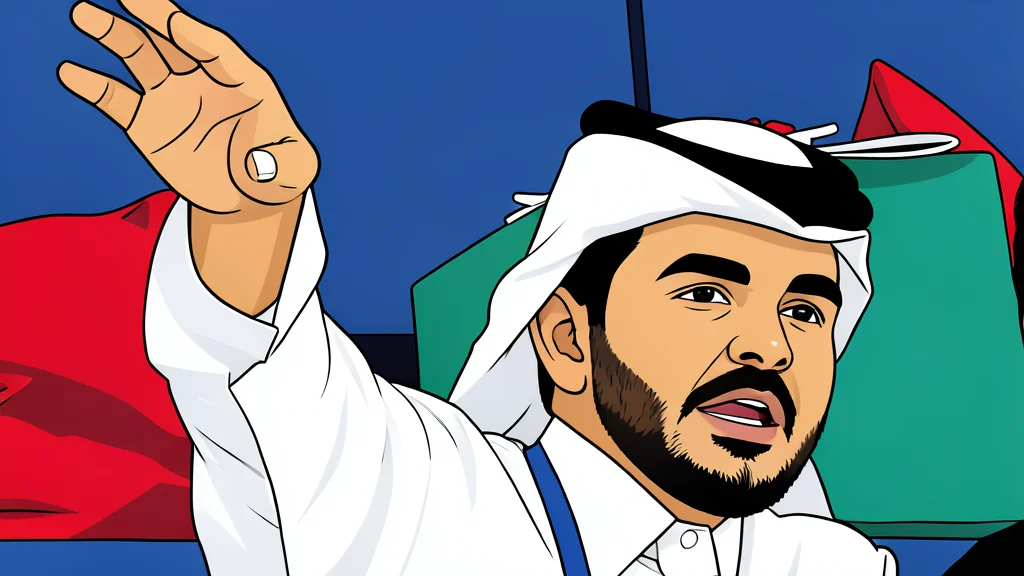
Sheikh Joaan bin Hamad Al Thani, the younger brother of the Emir of Qatar, addresses the media with a grim pragmatism. "I don't think, you know, the politicians or politics should be involved in sports," he states. The admission is stark. Just hours before the official opening ceremony, the boundary between the diplomatic and the athletic has blurred. He speaks of protocol, of knowing what should and shouldn't be done, but the damage is already done. The stage is set, but the script has been altered by a handshake that was briefly refused.
A Brief Barrier at the Gate
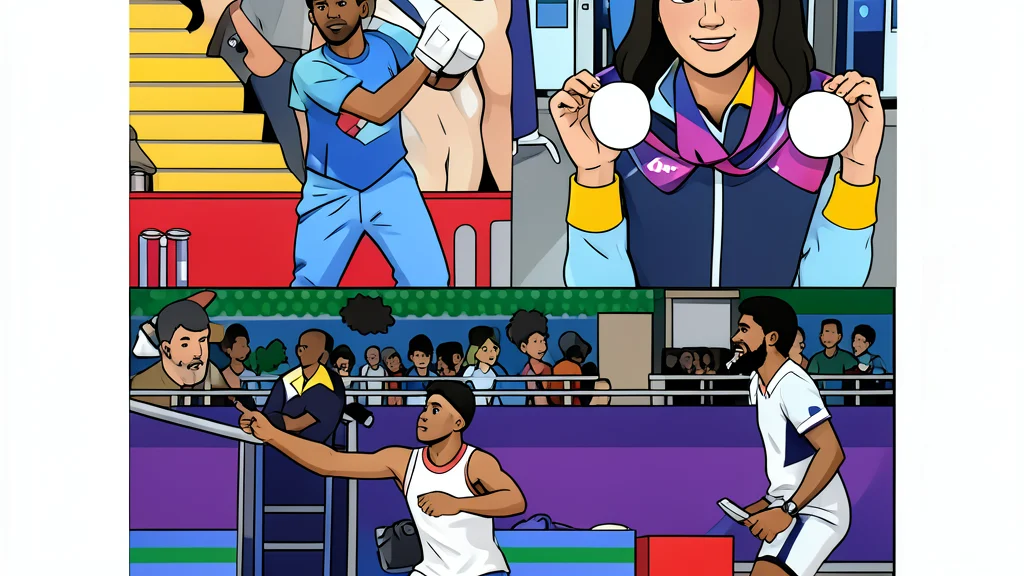
Friday brought a sudden, sharp halt to the festivities for Taiwan's sports minister, Lee Yang. He was temporarily barred from a welcoming ceremony and a flag-raising event. The incident was a jolt to the system. Lee, a two-time Olympic gold medalist in badminton, found himself on the wrong side of a bureaucratic line. He had defeated Chinese pairs in the finals of 2020 and 2024, yet here, in the heart of the competition, he was held back. The OCA later attributed the mix-up to a misunderstanding, a phrase that feels thin against the gravity of the moment.
Taiwan competes under the name Chinese Taipei, without its flag, a concession to China’s claim over the island. This status creates a fragile tension. Lee later told reporters that they are safeguarding their rights against suppression. The desire for visibility on the international stage is not just athletic; it is existential. The athletes want to perform, to give their all, but the political backdrop casts a long, cold shadow over their efforts. The desire to be seen is powerful, yet the obstacles are invisible and immovable.
Dignity Demanded in Negotiations
Chen Shih-kwei, vice president of the Chinese Taipei Olympic Committee, speaks of principles. "We chose to stick to our principles," he says. The phrase carries the weight of history. They asked the local organizing committee and the OCA to uphold the Olympic spirit. To attend all events equally and with dignity. The negotiations were not about points on a board, but about respect. They stood firm. The result was a resolution, but the memory of the barrier remains. The dignity was restored, but the trust was tested.
The scale of the event is massive. More than 17,000 athletes and officials are present. Up to 5,000 are housed on a cruise ship, a floating city of competitors. The schedule is packed, with events starting days before the official opening. This density amplifies every friction point. A single incident ripples outward, touching the morale of thousands. The athletes are ready to compete, but the political undercurrents run deep. The games are a spectacle of human potential, yet they are inextricably linked to the geopolitical realities that surround them.
The Weight of Protocol
Sheikh Joaan emphasizes that all delegations know the protocol. "We're going to take — if something like this will happen, we have our way of taking care of it," he says. The language is defensive, rigid. It suggests a system that prioritizes order over emotion. But in the arena, emotion is the fuel. The athletes run, jump, and swim with a passion that defies political boundaries. The OCA’s response is procedural, but the impact is human. The tension between the official narrative and the lived experience of the athletes creates a dissonance that hangs in the air.
As the opening ceremony approaches, the stadium fills with color and noise. The red and gold arches of the entrance frame the crowd, a river of colorful athletic wear flowing through the gates. The energy is electric, charged with the promise of competition. Yet, beneath the surface, the diplomatic currents continue to flow. The Asian Games are a showcase of athletic excellence, but they are also a stage for political expression. The boundary between the two is porous, and the water is rising. The athletes will compete, but the context remains complex and charged. The games proceed, but the shadows remain.