Rooney Defends Foden's Red Card Controversy
The Old Trafford air turned thick with friction when Phil Foden’s boot flashed upward, silencing the stadium. Wayne Rooney believes the call was wrong.
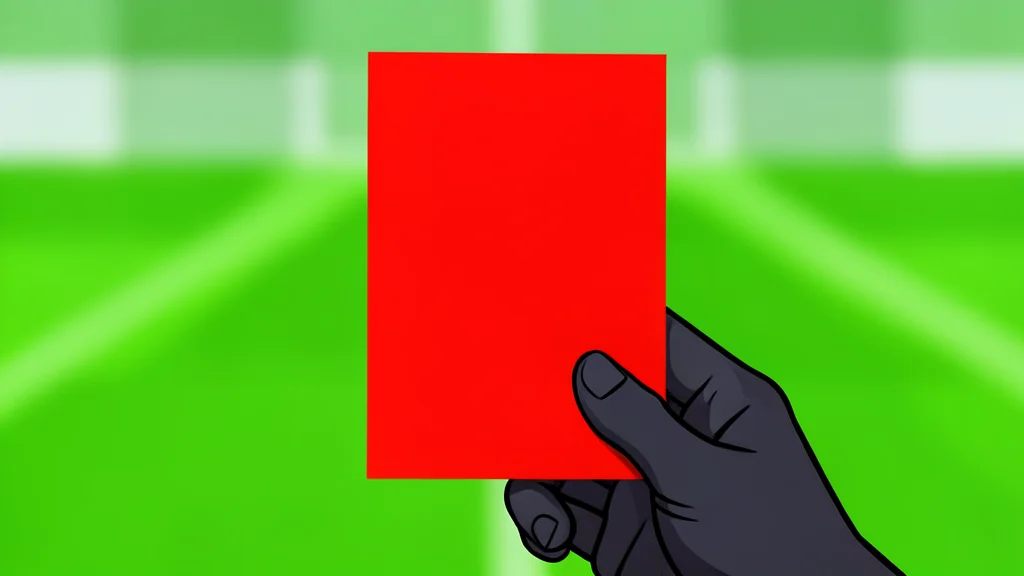
The Old Trafford air turned thick with friction when Phil Foden’s boot flashed upward, silencing the stadium. The leather ball lay still on the grass, but the tension remained taut across the pitch. Michael Oliver’s whistle cut through the noise, and the red card snapped into the air like a final verdict. The Manchester City winger stood frozen, the weight of the decision pressing down on him while the crowd erupted in a chaotic mix of shock and fury. It was a moment that fractured the derby, leaving ten men on one side and a debate that would rage long after the final whistle.
Wayne Rooney, watching from the pundit’s chair, shook his head with a conviction that surprised even his colleagues. He did not see violence; he saw a reflex. In his view, the referee had overreached, punishing a gesture rather than a genuine threat. This stance from the former England captain struck a discordant note in the post-match analysis, challenging the immediate consensus that had formed in the dressing rooms and the stands. The incident, sparked by Bruno Fernandes’ shove, had unfolded in a split second, leaving no room for deliberation in the heat of the moment.
Rooney Questions the Severity
Rooney argued that Foden’s action was a flick, a defensive instinct rather than an assault. He described the motion as a gesture, something that should not have warranted such a harsh punishment. The former striker’s perspective offered a counter-narrative to the standard interpretation of violent conduct. He believed the referee missed the nuance of the challenge, focusing on the outcome rather than the intent behind the quick movement. This defense of his compatriot highlighted the subjective nature of on-field decisions, where milliseconds can change the entire character of an incident.
Danny Murphy, however, held a firmer line, pointing to the upward trajectory of Foden’s kick. He explained that the direction of the motion was the key factor in Oliver’s decision. To Murphy, the risk of injury was paramount, and the referee had acted correctly to protect the players. This disagreement between the two pundits illustrated the complexity of interpreting violent conduct. It was not just about the contact, but about the potential for harm, a line that is often blurred in the chaos of a high-stakes derby.
Neville Doubts Fernandes' Escape
The controversy did not end with Foden’s dismissal. Gary Neville, watching from the Sky Sports studio, expressed his own surprise at the lack of punishment for Bruno Fernandes. The former Manchester United captain believed his successor should have received a booking for his initial shove. Neville’s comment added another layer to the debate, suggesting that the referee had been inconsistent in applying the rules. It raised questions about fairness and the selective application of disciplinary measures in high-pressure matches.
The technical limitation of Video Assistant Referees played a crucial role in this decision. VAR cannot intervene for yellow-card offenses, which meant the referee’s original call stood without challenge. This procedural detail left the initial judgment untouched, fueling further speculation about what might have happened if the technology had different parameters. The inability to review minor offenses highlighted the reliance on human judgment in split-second decisions, a factor that continues to be a point of contention in modern football.
A Derby Divided by Judgment
As the match progressed, the numerical disadvantage weighed heavily on Manchester City. The Red Devils, now with an extra man, pressed forward with renewed intensity, their confidence bolstered by the tactical advantage. The atmosphere at Old Trafford shifted, the home crowd sensing an opportunity to turn the tide. The incident had not only changed the number of players on the pitch but also the psychological dynamic of the game, setting the stage for a second half dominated by the visitors.
The aftermath of the red card continues to ripple through the football world. Reports from Yahoo Sports and other outlets have kept the debate alive, with fans and pundits alike dissecting every frame of the incident. The disagreement between Rooney and Murphy, and Neville’s criticism of Fernandes, underscores the persistent tension between perception and regulation in professional football. It is a reminder that in the heat of competition, the line between aggression and control is often thinner than the rules suggest.