Sunderland's Return to European Glory Under the Lights
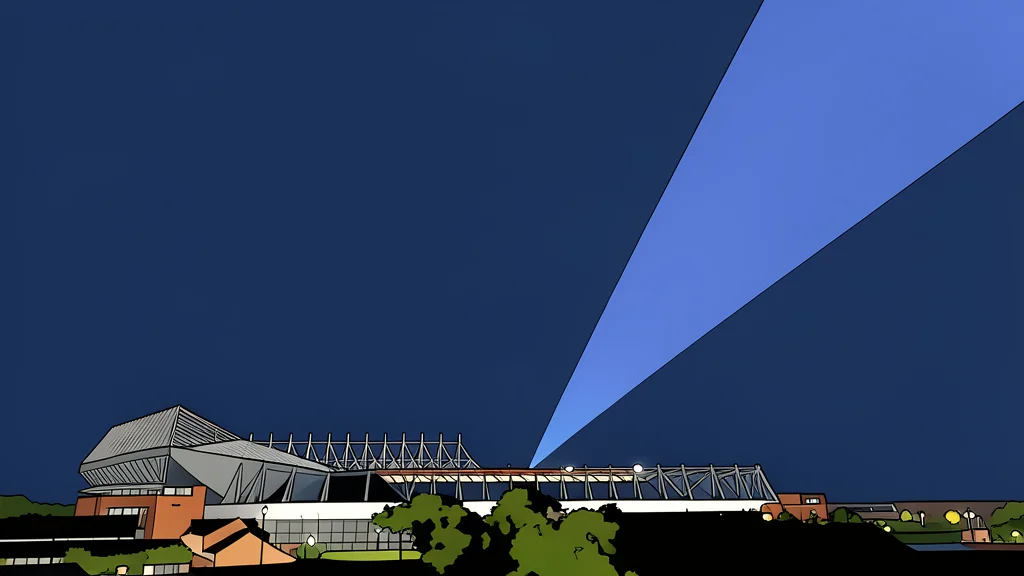
Twenty-six years later, the floodlights of the Stadium of Light finally blaze again, marking a return to the continent for a club that endured a long, dark season in the lower leagues.
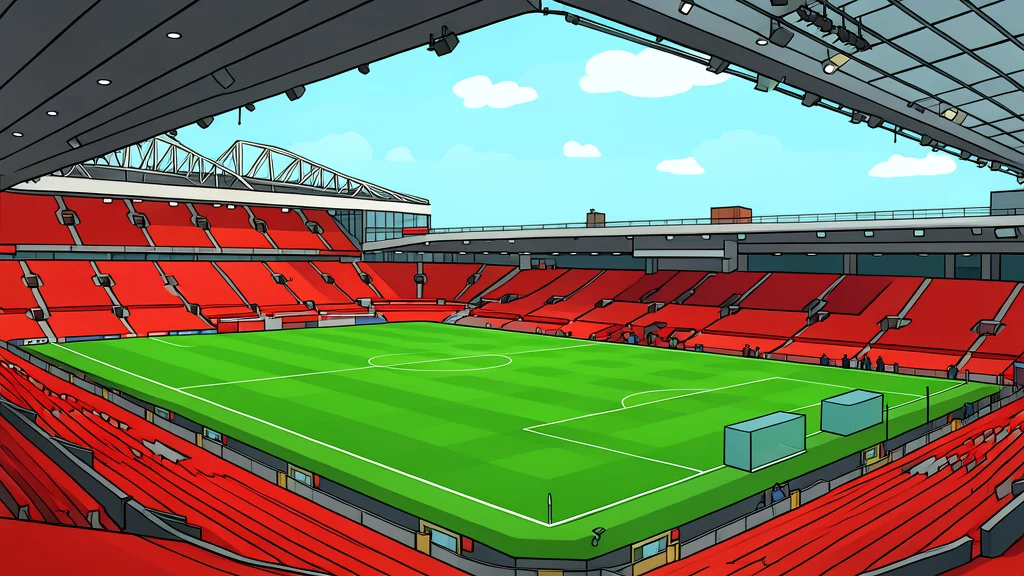
The cold wind bites at the face as the concourse empties, but the air inside is thick with a different kind of chill. For decades, the exterior of the Stadium of Light has been a monument to absence, its iconic floodlights dark for twenty-three years. Tonight, however, the darkness breaks. The beams cut through the night sky, illuminating the pitch in a stark, white glare that feels almost violent after so long in the shadows. It is a physical reclamation, a moment where the club’s identity snaps back into focus.
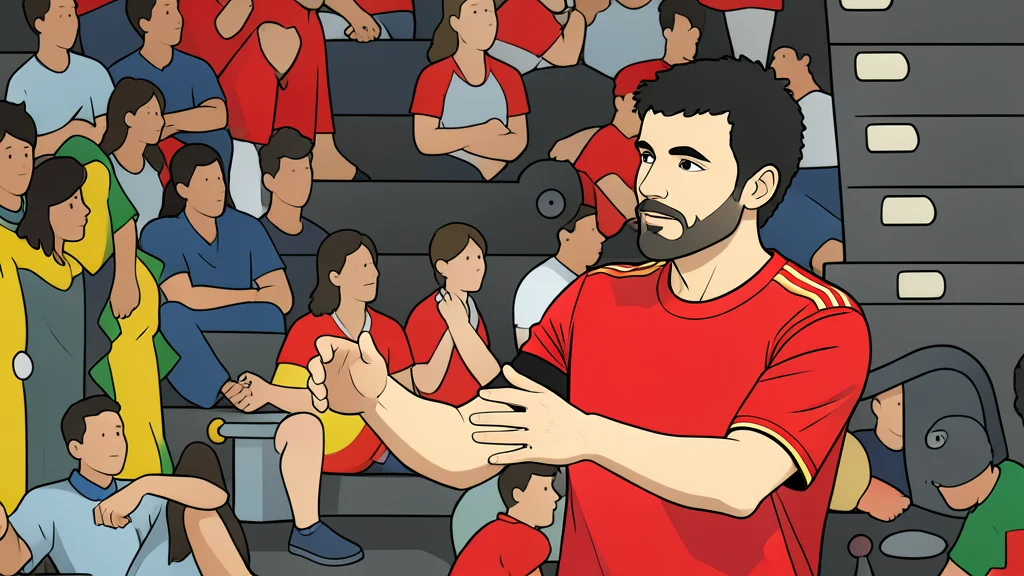
This is not just a match; it is a resurrection. The crowd, numbering nearly 48,000, stands in the East Stand, their breath visible in the cold air. They are the same souls who trudged through rain and rust in League One, who found only Bovril at food stalls and felt the slow rot of mismanagement. Now, the euphoria is palpable. The club has returned to European competition, a feat that felt like a distant dream for the modern era. The lights are on, and the soul is back.
A Decade of Darkness and Rust
For too long, the name of the stadium was a cruel irony. The 'Stadium of Light' operated without its most defining feature. The spotlights, once visible from miles away down the coast road, were turned off in 2001. Since then, the exterior has been a shell, the stands half-empty, the atmosphere muted. Supporters continued to make the pilgrimage, driven by a stubborn loyalty that defied logic. They watched as the club slid into the lower divisions, enduring a decade of apathy from the top. The rust on the exterior mirrored the internal decay, a physical manifestation of a club that had lost its way.
Yet, the devotion did not wane. Fans braved torrential rain and transport strikes to get to the games, their journey a testament to their belief. They sat in the same rows, smelling the same balti pies, holding the same plastic cups of hot chocolate. It was a ritual of endurance. They watched Leicester United’s U21s and other oppositions, not out of hope for glory, but out of a refusal to let go. The pilgrimage continued, step by step, up the stairs of a club that seemed to be dying.
The Return to European Football
Wednesday evening marked the end of that era. Sunderland AFC is back in European competition, a milestone that has eluded the club for over two decades. The dream that felt impossible for the man in his thirties is now a reality for the six-year-old who first fell in love with the game. The return is not just about points on a board; it is about restoring the dignity of the club. The lights, once a symbol of what was lost, are now a beacon of what can be regained.
According to GN sports/football, this return is a testament to the resilience of the supporters who never stopped believing. The club has climbed back from the depths of League One, overcoming the administrative chaos and financial struggles that plagued its rivals. The atmosphere in the stadium is electric, a sharp contrast to the lifeless days of the past. The players feel the weight of the crowd, the energy that has been building for years. It is a moment of collective triumph, a validation of every sacrifice made along the way.
Memories Forged in Cold Air
For many, the memory of their first game is etched in sensory detail. The smell of food, the warmth of a drink, the sheer scale of the stadium looming above. These are not just memories; they are anchors. They connect the present to the past, the hope to the history. The six-year-old in the East Stand is now a man, but the feeling is the same. The place where you are happiest, the place where memories are made rather than just remembered. The return to European football is not just a sporting achievement; it is a homecoming.
As the match begins, the lights continue to blaze, cutting through the darkness. The crowd sings, their voices rising into the night sky. The club is no longer a carcass, rotting away in the lower leagues. It is alive, vibrant, and full of promise. The darkness has been conquered, and the light, long awaited, has finally returned. It is a moment to be cherished, a reminder that even in the deepest of winters, spring can come.