Austria and Belgium Meet on Clay in Davis Cup Showdown
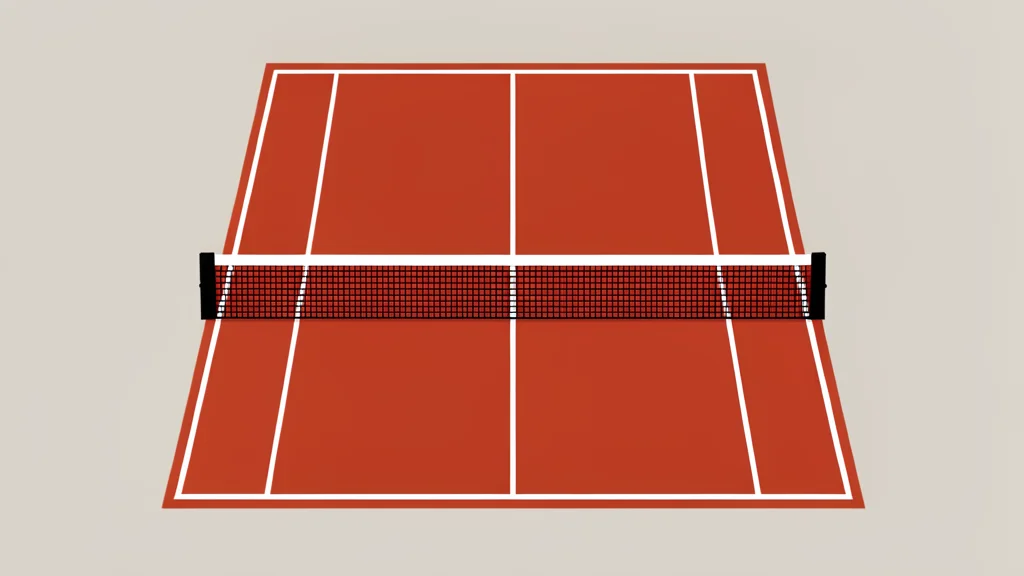
The red dust hangs still in the air as Jurij Rodionov steps onto the court for the second round of the Davis Cup 2026, facing Gauthier Onclin in a clash of styles that sets the tone for the weekend.
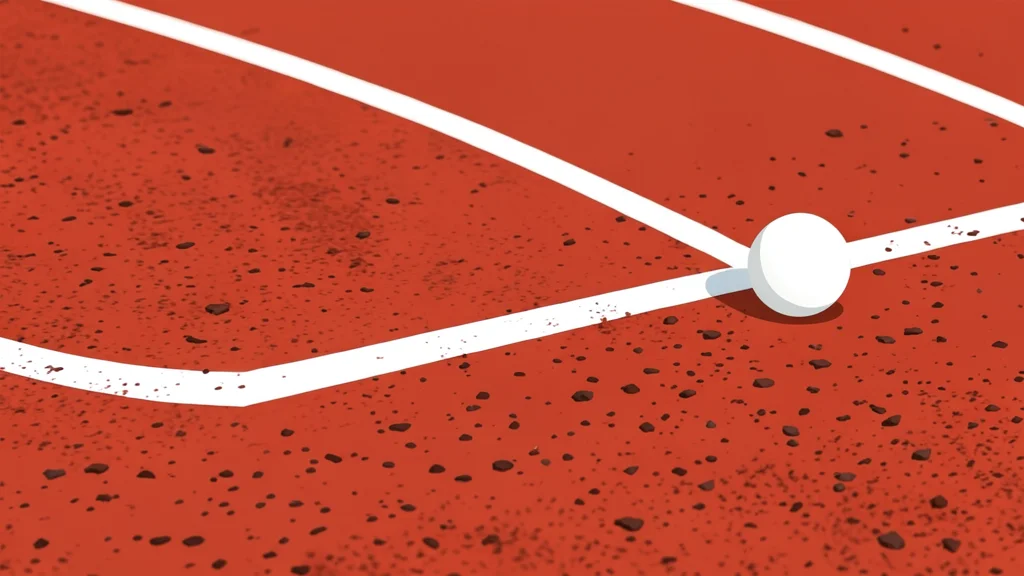
The red clay surface glistens under the late afternoon light, a vast expanse of terracotta stretching toward the net where the white tape is taut and unwavering. Jurij Rodionov moves with a deliberate grace, his racket tapping softly against the ground, the rhythmic thud a steady heartbeat in the quiet arena. Across the net, Gauthier Onclin adjusts his cap, eyes fixed on the horizon, the tension between them a physical weight that presses down on the shoulders of every spectator. The scoreboard reads zero to zero, a blank slate waiting for the first point to shatter the silence. This is not merely a match; it is the opening strike in a continental battle, the air thick with the scent of dry earth and anticipation. As the serve is called, the world narrows to a single yellow sphere, suspended in the golden hour, poised to ignite a war of attrition on the dusty field.
The stakes are etched into the very texture of the ground, each footwork adjustment leaving a faint, temporary mark in the red powder. Rodionov’s movement is fluid, a dancer’s precision against the resistance of the surface, while Onclin’s stance is coiled, a spring ready to release. The net, a thin barrier of white and black, separates two nations, two strategies, and two ambitions. The crowd’s murmur rises and falls like a tide, a collective breath held in the throes of the first game. Here, in the heart of the Davis Cup 2026, the narrative is written not in words but in the sharp crack of impact and the heavy sigh of a ball skidding into the dust. The match is a test of nerve, a duel where every point is a small victory or a costly defeat, accumulating into a larger story of national pride and personal resolve.
A Duel of Rhythms and Resolve
As the first points are exchanged, the rhythm of the game becomes a complex symphony of sound and motion. Rodionov’s forehand slices through the air with a low, piercing whoosh, the ball skidding low and fast, a challenge to Onclin’s defensive depth. The Belgian player responds with a heavy topspin, the ball bouncing high and deep, forcing Rodionov to chase, to stretch, to find the edge of his reach. The clay, unforgiving and slow, demands patience, a willingness to outlast the opponent in a battle of endurance. Every rally is a negotiation, a back-and-forth of power and precision, each player probing for a weakness, a moment of hesitation. The physicality of the sport is on full display, sweat beading on foreheads, muscles straining under the weight of effort, the bodies moving in a choreographed dance of aggression and control. It is a raw, unfiltered display of athletic prowess, stripped of all pretense, revealing the true character of the players.
The atmosphere in the arena is charged, the energy palpable, a current running through the stands and onto the court. The players are isolated in their focus, the outside world fading into a blur of color and sound. The only reality is the ball, the net, and the opponent. This isolation is both a burden and a gift, a space where the mind can wander and the body can respond instinctively. The Davis Cup is a unique theater, a stage where national identity is woven into every stroke, every movement, every breath. The players are not just individuals; they are representatives, ambassadors of their countries, carrying the weight of expectation and the hope of victory. The match is a microcosm of the larger game, a small but significant piece of a vast tapestry of competition and camaraderie.
The Weight of National Pride
As the first set progresses, the stakes become more tangible, the pressure mounting with each point. The players’ faces are masks of concentration, their eyes narrowed, their jaws set. The crowd’s support is a steady drumbeat, a rhythmic pulse that drives the players forward. The red clay, now marked with the footprints of the battle, tells the story of the match, a map of movement and strategy. Rodionov and Onclin are locked in a stalemate, each point a small war, each game a small victory. The Davis Cup is a tournament of contrasts, of power and precision, of aggression and defense, of individual brilliance and collective effort. It is a celebration of the sport, a tribute to the players who dedicate their lives to the pursuit of excellence. The match is a reminder of the enduring spirit of competition, the unyielding desire to win, the relentless pursuit of perfection.
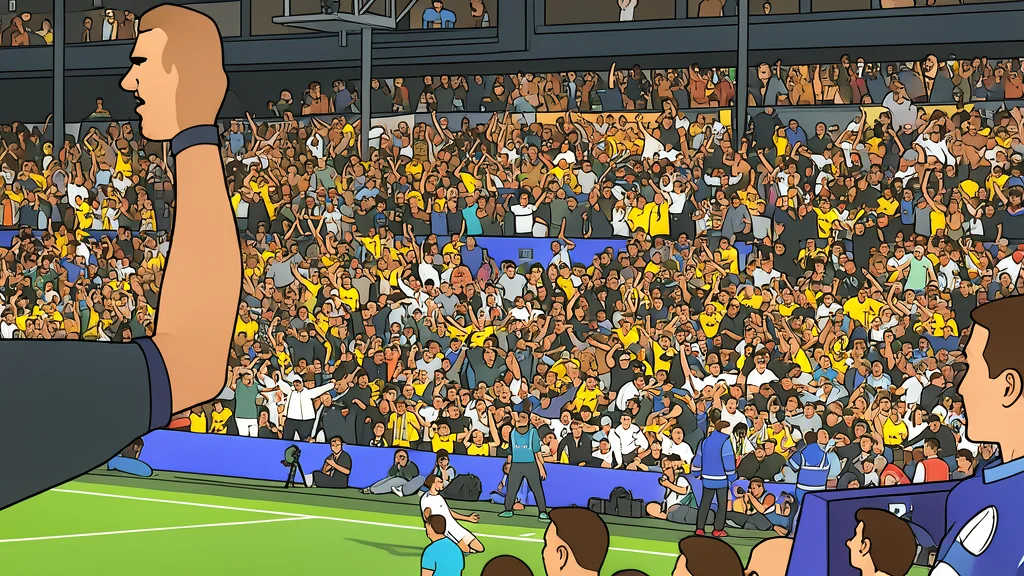
The sun begins to dip below the horizon, casting long shadows across the court, the light turning golden, then amber, then deep red. The players’ movements become slower, more deliberate, the energy of the match settling into a calm, focused intensity. The final points of the set are a test of will, a battle of nerves, a showdown of mental strength. The crowd’s roar is a thunderclap, a sound of pure, unadulterated emotion, a release of the tension that has built throughout the match. The players shake hands, a gesture of respect, a recognition of the shared struggle, the common goal. The match is over, but the battle continues, the story of the Davis Cup 2026 unfolding point by point, game by game, set by set. The red clay, now stained with the sweat and effort of the players, remains a testament to the power of sport, the beauty of competition, and the enduring spirit of the human race.