Rybakina Withdraws from King Cup Amid Achilles Recovery
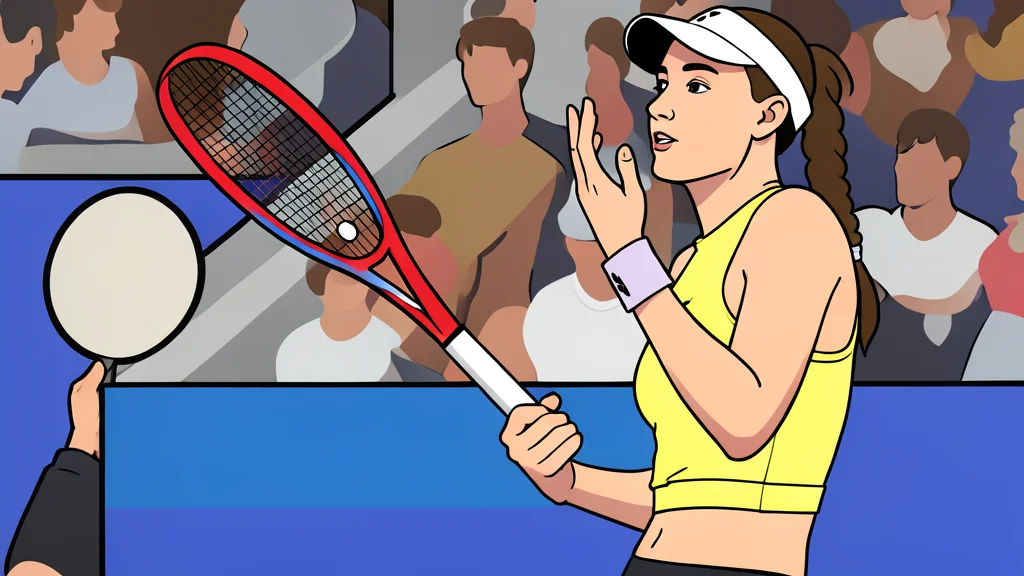
The celebration at Flushing Meadows has faded into a quiet room in Astana. Elena Rybakina is trading the roar of the crowd for the silence of recovery, sidelined by a persistent pain that followed her from Cincinnati to New York and now demands a pause.
The red clay of the French Open remains a distant horizon, but the immediate future is defined by stillness. Elena Rybakina will miss the Billie Jean King Cup Finals next week, a withdrawal confirmed as her body finally forces a reckoning. The victory over Aryna Sabalenka, which crowned her the US Open champion and world number one, was bought with a currency of endurance that has now depleted. She is not merely resting; she is repairing.
In the weeks leading up to the New York final, Rybakina walked through a fire of discomfort. Reports indicate she managed her Achilles tendon with painkillers, a quiet desperation behind the public triumph. Now, the Kazakhstan Tennis Federation has ordered a week of medical examinations back home. The injury, first sparked in the Cincinnati quarterfinal against Iga Swiatek, has refused to stay dormant. It has become the governing force of her schedule, overriding team duties and national pride.
Pain Masked By Grand Slam Glory
The narrative of the US Open was one of dominance, a sweeping campaign that ended the 99-week reign of the previous world number one. Yet, beneath the crisp white lines of the hard court, a different story was unfolding. Rybakina struggled to walk after the Cincinnati retirement, a physical warning sign that was ignored in the pursuit of the title. The Achilles tendon, a critical link in the chain of power, remained a source of friction throughout the major. To play through it was a choice made in the heat of competition; to stop now is a necessity dictated by biology.
This absence from the September 23rd tie against Spain is not a dismissal of her team. It is a strategic retreat to save the asset. The federation’s statement is clear: recovery and full training are the only priorities. The two-week break is a deliberate pause, a reset button pressed to ensure the machinery of her game remains intact for the challenges ahead. It is a rare moment where the calendar is bent to fit the athlete, rather than the other way around.
Clay Court Dreams And History
With the Australian Open and US Open secured, Rybakina stands on the precipice of a career-defining achievement. The Career Grand Slam, a feat accomplished by only seven women since the Open Era began, is within reach. The missing piece is Roland Garros. This is the surface where her statistics are most compelling, with a 74% win rate, yet it remains the greatest obstacle in her path. She has reached the quarterfinals twice, in 2021 and 2024, but never gone further.
This year, the dream was dashed early, ending in the second round against Yuliia Starodubtseva. That loss, and the subsequent journey to New York, underscores the fragility of her goal. The list of those who have completed the set is short and exclusive: Margaret Court, Billie Jean King, Chris Evert, Martina Navratilova, Steffi Graf, Serena Williams, and Maria Sharapova. Joining them requires not just talent, but resilience. As Rybakina undergoes her exams in Kazakhstan, the focus shifts from the immediate loss of a team match to the long game of securing a place in tennis history. The silence in the recovery room is not an ending; it is the breath before the next strike.