Grand Slam Veterans Demand End to Late-Night Tennis Chaos

John Lloyd argues that the current Grand Slam schedule is breaking the sport, citing exhaustion and empty stands after midnight finishes.
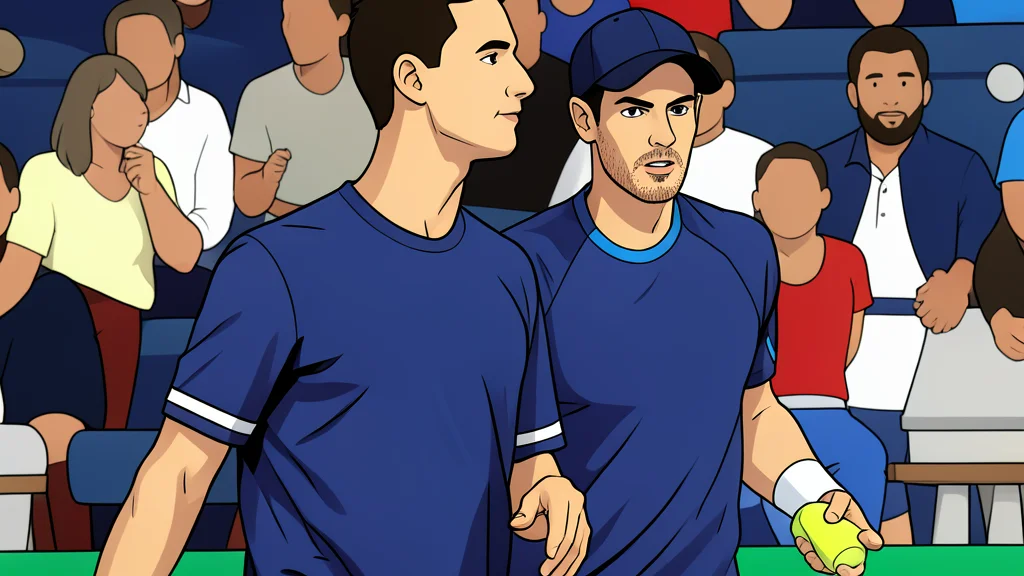
The lights of Arthur Ashe Stadium finally dim, but the silence is heavy. It is 3:33 a.m., and the dust from the clay courts has long since settled, leaving behind a hollow echo in the empty seats. Ben Shelton stands on the baseline, his body coiled in the aftermath of a five-set war against Carlos Alcaraz. The match is over, yet the feeling of defeat lingers in the air, not because of the score, but because of the cost. This is the new normal for Grand Slam tennis, a landscape where fatigue has become a strategic variable, and the clock is the true opponent.
John Lloyd, a former mixed doubles champion who reached the Australian Open final in 1977, watches these late-night spectacles with growing alarm. He does not see a display of elite endurance, but a system running on fumes. In a recent interview with the Inside-In Tennis Podcast, Lloyd voiced a stark warning to the governing bodies. The current structure, he argues, is not just inconvenient; it is a threat to the integrity of the game itself. The players are pushed to their breaking point, and the audience is left with a choice between sleep and sport, a dilemma that no one should have to make.
Late finishes drain competitive edge
Lloyd points to the physical toll on athletes who have already endured grueling early rounds. Alexander Zverev, for instance, faced matches that stretched into the small hours, leaving him with mere hours of rest before the next challenge. The cumulative effect is a decline in sharpness, a blurring of the lines between skill and survival. Lloyd argues that the so-called 'skill factor' is compromised when players are running on fumes. The best-of-five format, once a badge of honor, has become a trap where unpredictability is mistaken for drama, and exhaustion is mistaken for effort.
Spectators and broadcasters lose interest
The crowd at the US Open thins out as the night deepens. Most fans have already packed their bags, leaving the stadium to a sparse audience of die-hard loyalists. On television, the ratings plummet as viewers switch off their sets or drift into sleep. Lloyd notes that this shift does not benefit anyone. The players are exhausted, the fans are gone, and the broadcast is a ghost town. The financial incentives for the tournaments to extend play time are clear, but the human cost is ignored. The product is being sold to an empty room, and the price is paid by the athletes on the court.
Call for structural reform
Lloyd proposes a radical solution: shift to a best-of-three format for both men and women. He dismisses the argument that this would devalue the Grand Slams, calling it 'absolute nonsense.' In his view, the quality of tennis would surge, particularly in the first week, as players would be sharper and more focused. The memory of the old format would fade quickly, replaced by a new standard of excellence. Lloyd urges the other Slams, excluding Wimbledon with its strict 11 p.m. curfew, to rethink their greed for extra revenue. The sport must evolve, or it risks losing the very essence that made it great.