Short Beds and Leaking Sinks: The Struggle at Nagoya's Asian Games
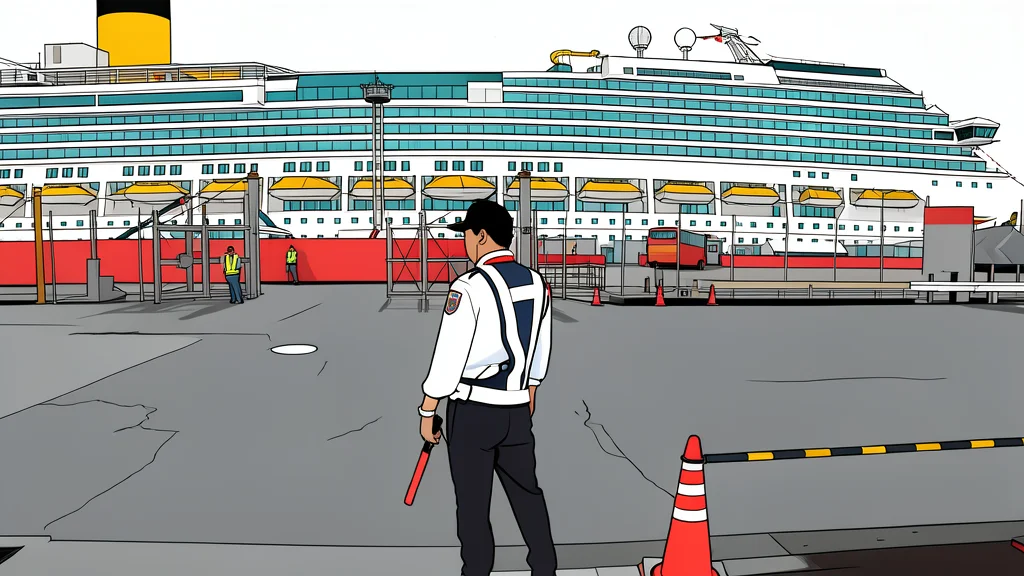
A cruise ship docked in a storm-battered harbor, temporary cabins huddled on the pier, and athletes who cannot stretch their legs.
The air in Nagoya hangs thick with humidity and the salt spray of the coast. It is a city preparing for a massive influx of energy, yet the foundation beneath the athletes' feet feels unstable. On the pier, a massive cruise ship sits heavy against the water, its white hull contrasting with the grey, churning sea. Nearby, rows of temporary container-style cabins stand like sterile boxes, waiting to house thousands of competitors. The scene is one of organized chaos, where the grandeur of the Asian Games collides with the gritty reality of logistics.
Inside these structures, the comfort promised by the event organizers has frayed. For the tallest athletes, the beds are a source of acute discomfort. Jung Jae-yong, vice-president of the Korea Basketball Association, described the situation as the worst he had ever witnessed. Tall competitors, standing over two meters, find themselves curled up, knees bent, unable to straighten their legs. It is a physical constraint that feels absurd in a venue built for peak performance. The complaint is not just about space; it is about the dignity of rest before competition.
Water and Wait Times
The problems extend beyond dimensions. Byeon Jun-hyeong, a South Korean player, shared a video of his room, where a sink leaked steadily onto the floor. The water pooled, soaking the tiles, while the caption read a simple plea for help. This was not an isolated incident. Last week, heavy rainfall triggered flooding in parts of Nagoya, forcing a brief evacuation of the accommodation zones. The threat of water is a constant shadow over the temporary housing, a reminder that the infrastructure is provisional.
Waiting is the other enemy. Indian rowers arrived at the cruise ship at 9 am, only to find their names missing from the registration lists. More than eleven hours later, they were still waiting. The delay was not just a matter of time; it was a deprivation of food and sleep. Organizers provided water, but no proper meals, leaving athletes to rely on supplies brought from home. The physical toll of waiting for a room is as significant as the toll of training.
A Fragile Logistical Chain
The scope of the disruption is vast. More than 17,000 athletes and officials from 45 countries and territories have converged on Japan. This exceeds the original expectation of 15,000 participants. The organizers have had to improvise, housing athletes on the Costa Serena, in temporary cabins, and in commercial hotels. The sheer volume of people has stretched the system to its breaking point. Accreditation issues have blocked coaches like Samaresh Jung from entering arenas. Transport mishaps have left teams stranded, with some waiting three hours for a vehicle after arriving at the airport.
The Indian delegation has been particularly vocal about the delays. The shooting team, for instance, was moved to a different hotel after their original accommodation was occupied by others. The wushu delegation faced registration errors, with players unable to find their names in the system. These are not minor inconveniences; they are systemic failures that threaten the well-being of the competitors. The official opening of the Games is scheduled for Saturday, but for many, the struggle for basic accommodation has already begun.
Unprepared for the Scale
The Indian authorities attempted to mitigate the shock of the temporary housing by building replicas of the huts at home. Athletes were supposed to acclimate to the conditions before arriving. Yet, the reality in Nagoya has proven to be far more chaotic than any simulation could prepare them for. The Philippine Olympic Committee reported that while all Filipino athletes secured rooms, many officials and coaches were scattered across different hotels and Airbnb properties. This fragmentation of the team structure complicates coaching and support, adding another layer of stress to the athletes' experience.
As the Asian Games approach their official start, the focus remains on performance. But the backdrop of short beds, leaking sinks, and endless waiting creates a stark contrast to the spectacle on the field. The athletes are determined, but they are also exhausted. The logistical hurdles documented by GN auto sports/multisport: Asian Games reporters highlight a significant gap between the promise of the event and the reality of its execution. The question now is whether the organizers can repair the cracks in the foundation before the competitions truly begin.