Rybakina's 2027 Focus: Health over Grand Slam Completion
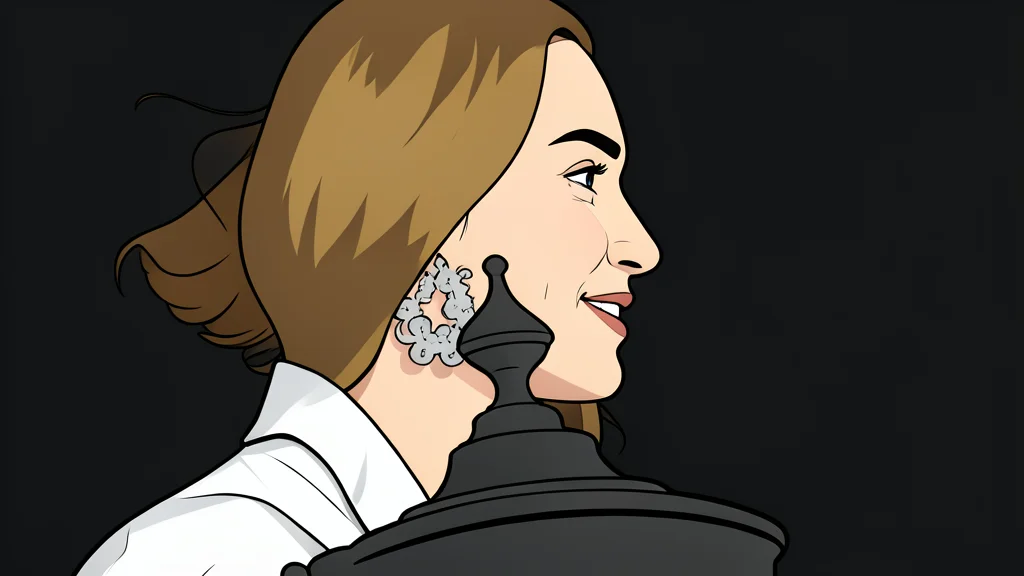
The new world No. 1 rejects the trophy hunt, prioritizing bodily resilience and a carefully curated schedule over the final missing piece of her major collection.
The air in New York hums with the residual electricity of a fresh title, but Elena Rybakina’s mind is already turning toward the quiet, unseen work that follows the applause. Standing as the new world No. 1, she holds three of the four majors, yet the conversation surrounding her next move isn't about the trophy case. It is about the calendar, the gym, and the persistent ache of time passing. The question hangs in the air: will Roland-Garros be the final conquest? Her answer arrives not with a flourish, but with a sober assessment of her physical limits.
“I’m not getting younger,” she says, the words landing with the weight of a shuttlecock hitting the baseline. For the 27-year-old, the priority for 2027 is not the career Grand Slam, but the preservation of her body. The goal is stability, a balanced schedule, and a training process that respects the accumulating wear of years. The job, she insists, is never done. It is a continuous negotiation between ambition and physiology.
The Clay Court Barrier
Roland-Garros remains the awkward anomaly in her resume. It is the only Grand Slam where she has never reached a semifinal, stalling at the quarterfinals in both 2021 and 2024. This year, the journey ended early, a second-round exit against Yuliia Starodubtseva, a player Rybakina had defeated just weeks prior on the way to her Stuttgart crown. The surface is not the enemy; her second title of the season came on the red clay of Stuttgart, where she dismantled Karolina Muchova. Yet, the Parisian tournament holds a specific gravitational pull, a consistent ceiling that has defied her attempts to break through.
Completing the set would require more than just skill; it would demand a different relationship with the game. Rybakina acknowledges the difficulty, noting that while she feels young in spirit, her body tells a different story. Issues that once resolved themselves now linger. This is not an abstract concept of aging; it is a tangible reality that shapes her daily routine and strategic decisions. The path to the final missing major is paved with these physical constraints.
Recovery as a Strategy
The focus on health is rooted in recent, sharp experiences. Just 23 days before lifting the US Open trophy, Rybakina retired from her Cincinnati quarterfinal against Iga Swiatek. For a full week, tennis vanished from her schedule entirely. Her days became a loop between her hotel room and the gym, three hours of intense recovery and treatments. This period of enforced rest was not a break, but a necessary recalibration. It highlighted the fragility that sits beneath the power of her game.
A New Era Begins
As Rybakina steps onto the court as world No. 1 for the first time, she carries this dual mindset. The ambition to win the biggest tournaments remains, but it is tempered by a realistic view of her capacity. She seeks balance, stability, and the wisdom to choose her battles carefully. The journey ahead is not just about winning points, but about managing the cost of those points. According to GN sports/tennis (en-US), this shift in perspective marks a maturation in her approach to the sport.