Shelton Demands Rule Change After US Open Final Defeat
Ben Shelton argues the current service rules force players to hold tense positions for too long, citing Alexander Zverev's extended ball-bouncing routine.
The clay dust hangs heavy in the air of Flushing Meadows, settling on the white boundary lines that slice through the red surface. Ben Shelton stands there, his knees bent, muscles coiled tight. He is waiting. Not for a serve, but for the end of a ritual that has stretched into an eternity. The ball bounces once. Twice. Ten times. The silence grows thick, broken only by the rhythmic thud of rubber against clay.
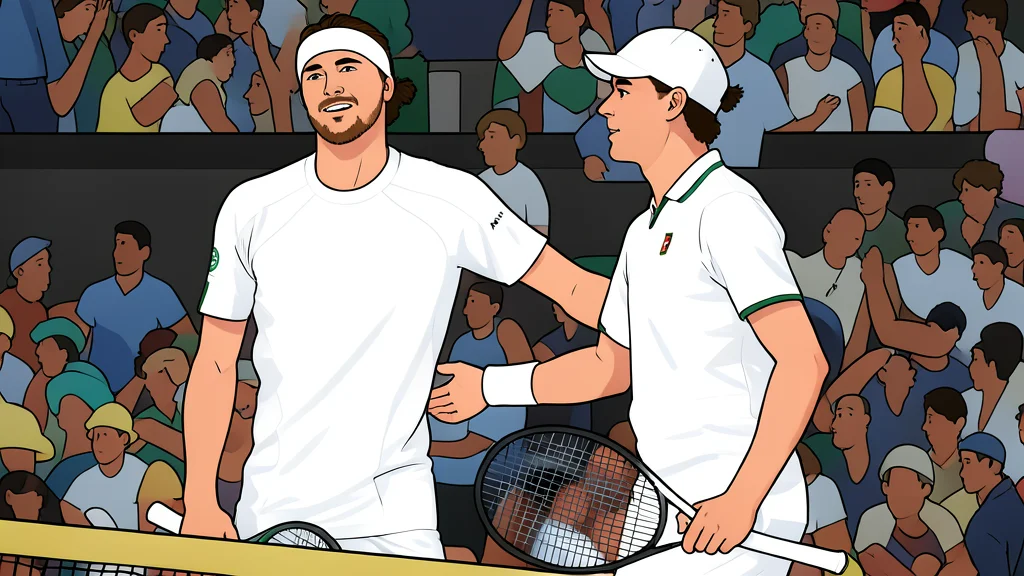
It is a moment of pure, physical tension. The receiver is locked in, ready to explode, yet the serve does not come. This was the friction point in the US Open final, where Shelton’s frustration boiled over after being told to hold his position while Alexander Zverev prepared his second serve. The 23-year-old American called the requirement "stupid," arguing that no athlete should be forced to maintain a state of high alert for thirty seconds while an opponent takes their time.
The Long Wait for a Serve
Zverev’s routine has become a focal point of debate this fortnight. The German top seed, known for his meticulous preparation, bounces the ball up to 25 times before initiating his motion. For the receiver, this creates a limbo zone. There is a strict 25-second clock for the first serve, but the second serve exists in a regulatory vacuum. Shelton felt trapped in this gap, forced to stay locked in the ready position even as the clock ticked well past the limit for a normal exchange.
Umpire Marijana Veljovic instructed Shelton to get to the line earlier, a directive that clashed with his natural instinct to stay loose. "I'm not going to sit there in a ready position with my knees bent, tension in my body for 30 seconds while I'm waiting," Shelton stated. He emphasized that he would stay relaxed, letting Zverev do his thing, but he refused to remain physically primed for the duration of the extended pause. The conflict was not about readiness, but about the unreasonable duration of the wait.
A Call for New Regulations
Shelton is not alone in his irritation. Several players have voiced annoyance at Zverev’s extended pre-serve rituals. The American argued that there should be some sort of rule to limit time on the second serve. He does not have a specific proposal, but the sentiment is clear: the current framework allows too much leeway for the server at the expense of the receiver’s physical and mental state. It is a demand for structure in a space that currently feels chaotic.
The debate highlights a broader tension in professional tennis between player autonomy and game flow. While Zverev’s focus is part of his competitive edge, the impact on his opponent is tangible. Shelton’s comments, reported by Yahoo Sports, suggest a need for the governing bodies to reconsider the rules. The goal is not to stifle the server’s routine, but to ensure the match remains a contest of two active athletes, not a test of endurance for one.
Defeat in the Grand Slam Final
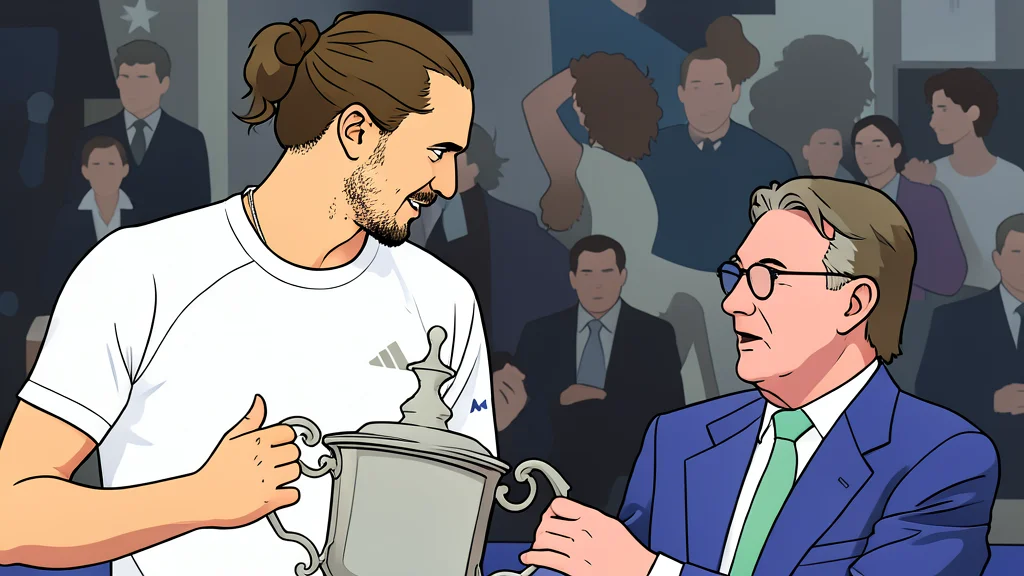
Despite the controversy, the match itself was a display of high-level tennis. Zverev, 29, extinguished America’s hopes of a first male winner since Andy Roddick in 2003. He secured a 6-3 7-6 (2) 5-7 6-2 victory, demonstrating his composure under pressure. The final set was a testament to his resilience, closing out the match with a decisive break and a steady finish. Shelton’s loss was bitter, but his post-match criticism of the rules points to a deeper issue in the sport’s evolution.
The clay court now rests, the dust settling back into the shadows of the stadium. The debate, however, will linger long after the final point. As players prepare for the next Grand Slam, the question of how much time is too much before a serve will remain a hot topic. The ball bounces, the line waits, and the tension holds. For now, the rules stay the same, but the call for change has been heard.