Silent Stadium: The Empty Seats that Shocked Coco Gauff's Former Coach
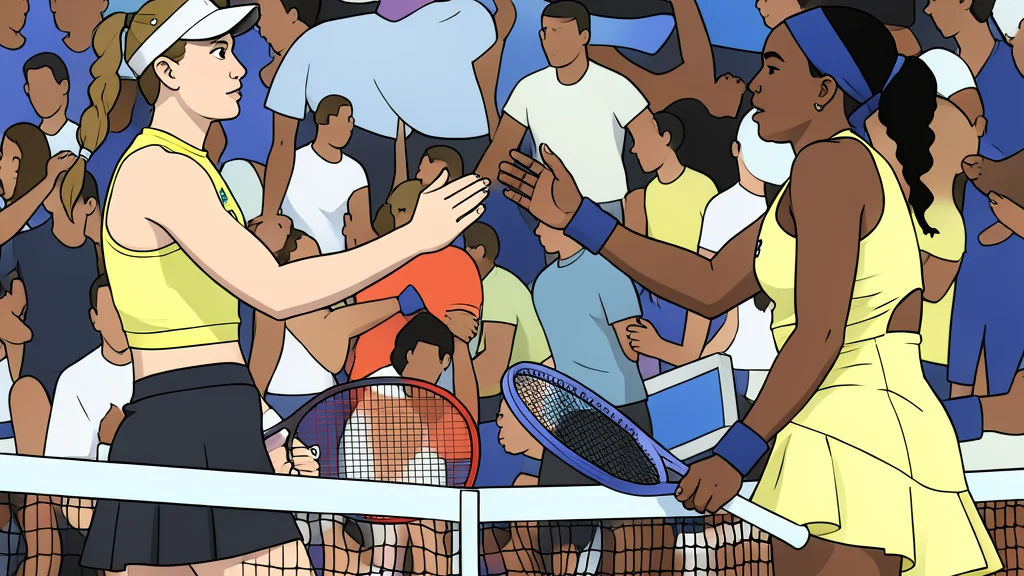
The Arthur Ashe Stadium lights hummed over a vast, blue emptiness. Where thousands had roared for Coco Gauff moments earlier, only silence remained as Elena Rybakina faced the microphone, leaving her former coach stunned by the sudden exodus.
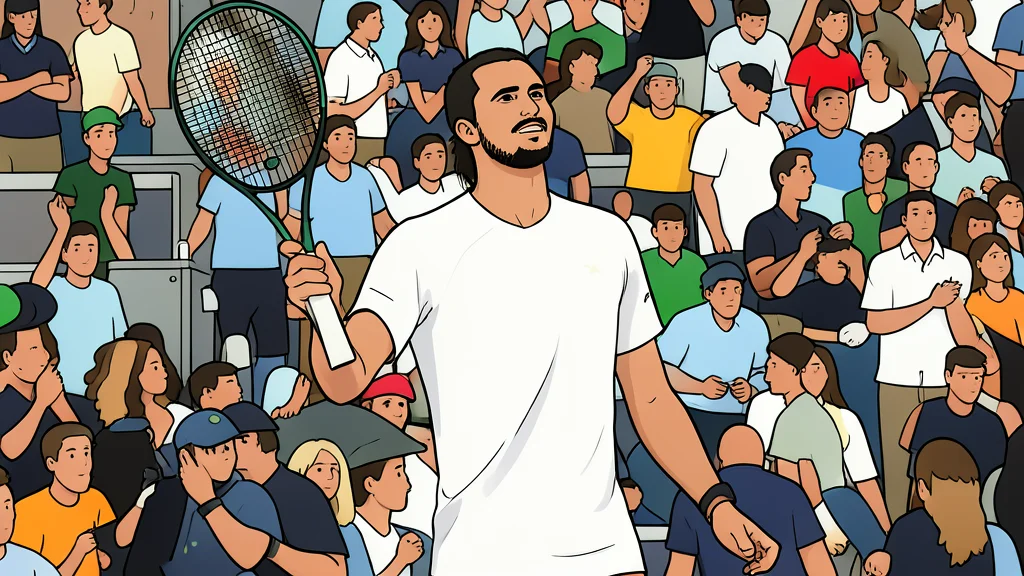
The blue plastic chairs of Arthur Ashe Stadium sat vacant, a sea of empty seats under the buzzing halogen lights. Just ninety seconds before, the air had vibrated with the roar of thousands supporting Coco Gauff. Now, the silence was heavy, pressing down on the court as Elena Rybakina stepped toward the microphone for her post-match interview. The sudden void was not a quiet fade but a sharp cut, leaving the new world number one standing alone in the glow of the stadium.
This abrupt departure left Brad Gilbert, Gauff’s former coach, visibly shaken. Speaking on The Big T Podcast alongside Ajla Tomljanovic, Gilbert expressed his disbelief at the scale of the exodus. It was only eleven o'clock at night, far from the late hours that might justify a mass retreat, yet the stands had drained completely. The lack of respect for the winning player, he argued, was shocking. Gilbert even suggested a yellow card for the crowd, a sentiment Tomljanovic echoed, noting the disrespect felt too loud for comfort.
A Crowd That Faded Too Soon
The atmosphere during the match had been overwhelming for the American player. Gauff herself noted in her interview that the support was nearly unanimous, a rare occurrence for an American athlete on this stage. Yet, once Rybakina secured the final point, the energy evaporated. Gilbert described the scene as odd, comparing the emptying stadium to fans rushing to catch a train. The mass exodus suggested a deep disappointment over the loss, but Gilbert insisted it crossed a line of sportsmanship. To see the winner interviewed to an empty house, he said, was a moment of profound awkwardness.
Tactical Shifts Derailed Gauff's Game
Beyond the crowd's behavior, the match itself revealed a tactical battle that turned against Gauff. In the first set, she held her own, redirecting pressure with speed and control. But in the second and third sets, Rybakina adjusted her strategy. Gilbert observed that the new world number one began targeting Gauff’s forehand hip, a zone where the American struggled to generate racket head speed. This adjustment forced Gauff into unforced errors and a lack of confidence, leading her to chip shots rather than drive.
Rybakina’s serve also became more accurate in the later sets, limiting Gauff’s ability to create free points. Gilbert wondered if this change came from coaching or self-correction, noting the significant shift in ball placement. By focusing on the forehand, Rybakina neutralized Gauff’s primary weapon. The result was a dominant performance that carried her into the final, a stage she had never reached before at this tournament.
A Historic Final Awaits
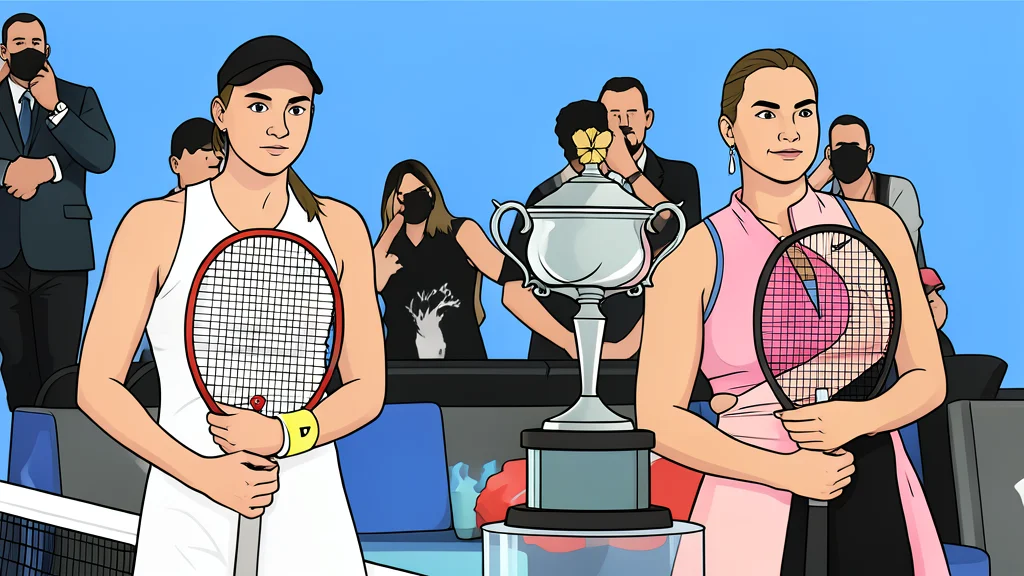
Rybakina’s victory propels her to the women's singles final, where she faces Aryna Sabalenka. This matchup marks a historic moment for Rybakina, who has previously never advanced past the fourth round at the US Open. Now, she stands on the brink of her third Grand Slam title. For Sabalenka, the final offers a chance to claim her third consecutive title at this event. The narrative has shifted from the empty seats to the high stakes of the championship match, where only one player will remain under the lights.