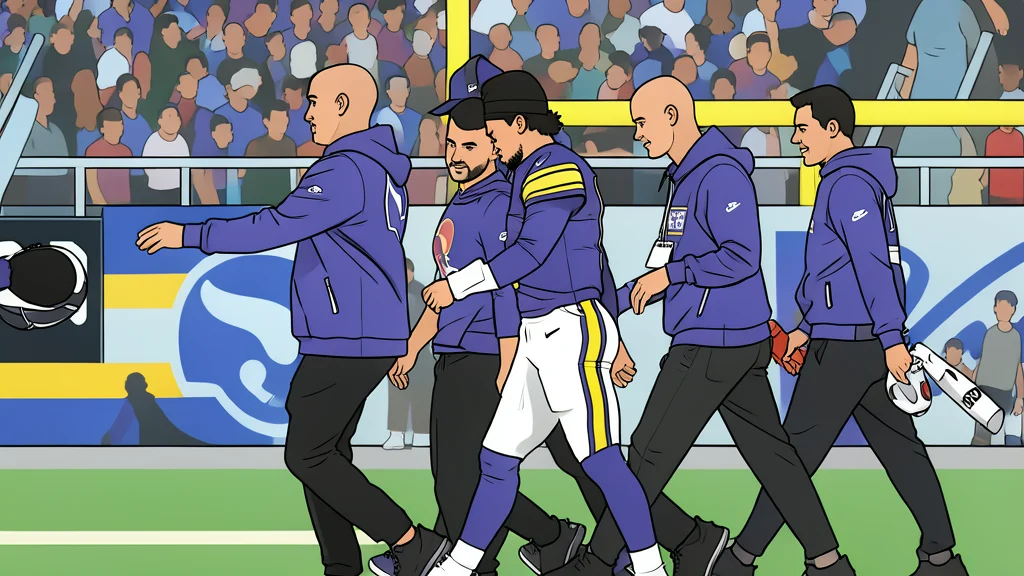
Seven Athletes Forge New Alpine Path After Team Closures
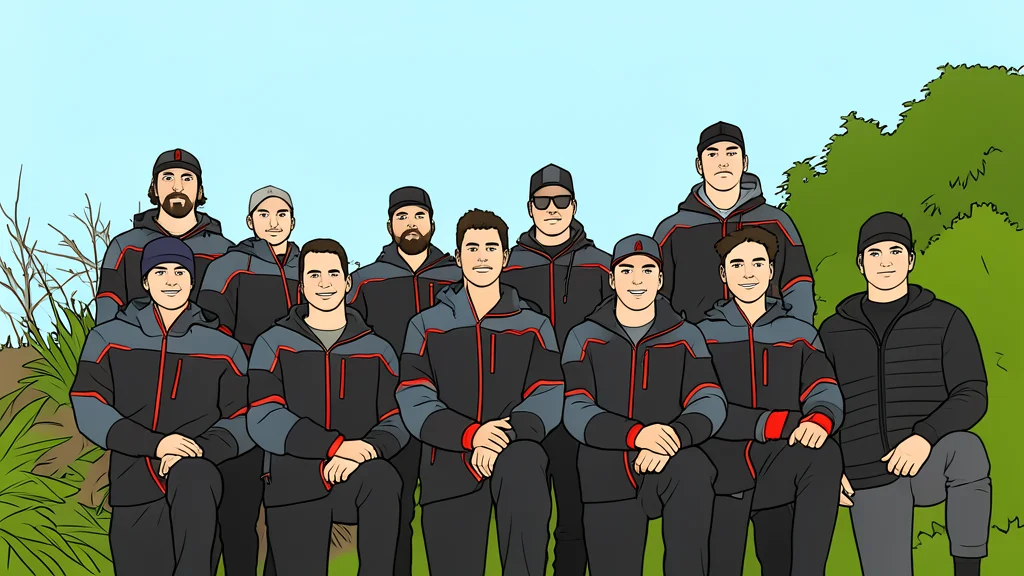
With the doors closing on Global Racing and World Racing Academy, seven elite skiers refused to let their careers stall. They built a new independent program, Spyder Redline Alpine, to keep the podium within reach.
The silence after the season ended was deafening for Tim Gavett. Global Racing had closed its doors, leaving a void where a career path had been. His body still ached from an ACL rehabilitation, but his spirit remained sharp, fueled by four slalom podiums earned between Burke Mountain and Waterville Valley. He stood at a crossroads, staring down the abyss of limited options.
The solution was not found in a corporate boardroom, but in a phone call to a friend. Jimmy Krupka, a former teammate from Green Mountain Valley School, listened. The question hung in the air: What if they started a team? Within two months, that question had transformed into a reality. Spyder Redline Alpine was born, a collective of seven athletes, three coaches, and a shared European home, assembled to bridge the gap left by the disappearing independent programs.
Filling the Independent Team Void
For years, Global Racing and World Racing Academy served as lifelines for racers from smaller nations or those outside the traditional national team structures. They provided the logistics, staff, and training necessary to compete in Europa Cup and World Cup events. When Paul Epstein joined the Stifel U.S. Ski Team and Daniel Fahrner’s academy wound down, that support network fractured. The athletes left behind faced a landscape with few comparable options.
Krupka saw the alternative clearly: retirement. He had no desire to continue traveling to NorAm events alone, without the backing of a world-class independent team. The new program targets slalom and giant slalom, aiming to restore the competitive balance for athletes who refuse to let the closure of their previous teams dictate their future.
A Collective Built on Athletes
The structure of Spyder Redline Alpine is deliberately stripped of profit motives. No individual owns the team, and there is no pressure to expand the roster merely to collect fees. Athletes cover their personal expenses and contribute to a team fee that funds the staff budget, while sponsors and federation support help offset the costs. It is a model designed to keep the barrier to entry low for those willing to give everything to the sport.
Gavett emphasized that no one holds a personal financial stake in the venture. The goal is affordability and performance. The team was not built by chance; it was curated. From a pool of interested athletes, seven were selected for their speed, their aligned schedules, and their compatibility. They are a group bound not by ownership, but by a shared commitment to the race.
Momentum on the Slope
The assembly of this team was rapid and intentional. Dave Gavett, Tim’s father and a longtime coach, joined the effort, bringing experience and depth. His wife, former World Cup winner Traudl Hächer-Gavett, added to the coaching strength. Christian Borgnaes, another former Global Racing athlete, was among the first to embrace the idea. The staff, service personnel, and physiotherapist were all in place before the dust settled on the previous season.
For these racers, the path forward is clear. They have replaced uncertainty with structure, isolation with community. As reported by Ski Racing, this new entity represents a fresh route to elite competition. The poles are planted, the snow is ready, and the race is just beginning.