Texas Roadhouse Shares Drop Amid Macro Headwinds

Texas Roadhouse shares fell 5.9% as rising yields and oil costs pressured the consumer sector, overshadowing recent margin concerns.
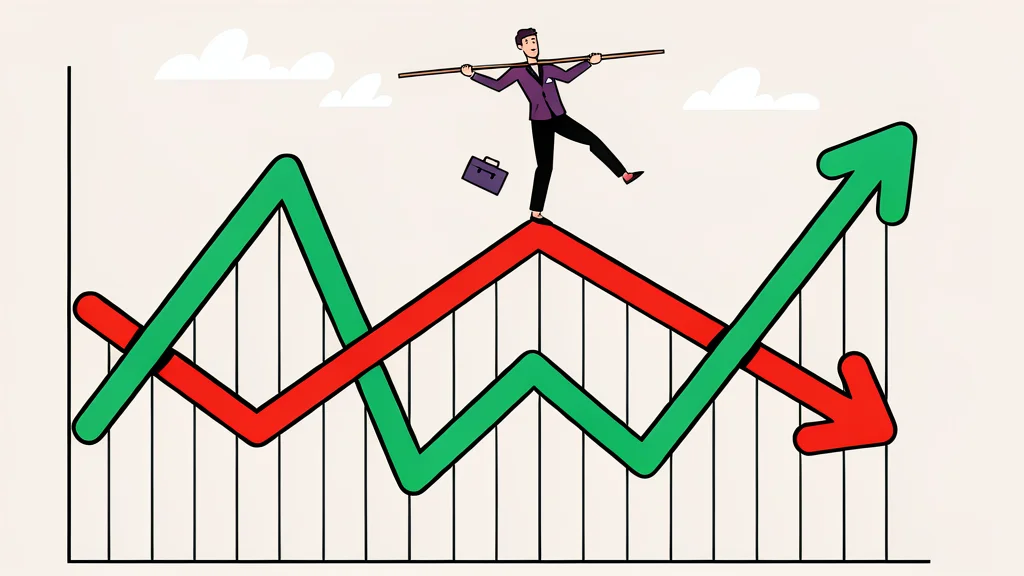
Texas Roadhouse shares declined 5.9% in recent trading, a move that aligns with a broader retreat in consumer-facing equities. The stock’s performance was not driven by a new company-specific announcement but by external macroeconomic factors. Rising crude oil prices and higher Treasury yields have increased the cost of capital and input expenses, directly impacting the profitability of discretionary spenders. This sector-wide pressure amplified existing concerns about the restaurant operator’s margin structure, which had already come under scrutiny following its latest quarterly results.
The decline in Texas Roadhouse stock illustrates how macroeconomic shifts can override individual company narratives. As inflationary pressures persist, investors are reassessing the resilience of consumer businesses. The restaurant industry, sensitive to both labor and supply chain costs, faces heightened scrutiny. This environment creates a challenging backdrop for Texas Roadhouse, which must navigate these headwinds while maintaining its competitive position in the dine-in market.
Insiders Prioritize Exits Over Buys
Recent insider trading activity at Texas Roadhouse shows a consistent trend of selling. Over the past six months, company insiders executed 13 open-market transactions, all of which were sales. There were no purchases reported during this period. CEO Gerald L. Morgan led the activity, selling 15,000 shares for an estimated $3.03 million. Other senior executives, including President Regina A. Tobin and Chief Growth Officer Lloyd Paul Marshall, also reduced their holdings. This uniform direction in insider trades suggests a cautious stance among leadership regarding near-term stock performance.
Institutional Positions Shift in Q2
Institutional investor activity in the second quarter of 2026 reveals significant divergence in positioning. While 308 investors added shares, 372 reduced their stakes. T. Rowe Price Investment Management made the largest move, removing approximately 1.46 million shares, a 93.9% reduction in its holding. Conversely, JPMorgan Chase & Co. increased its position by adding over 1.02 million shares. Steadfast Capital Management exited its position entirely, selling out its 909,109 shares. This mixed behavior indicates a lack of consensus among large asset managers regarding the company’s future trajectory.
The net effect of these institutional trades remains complex, with large additions offsetting some of the heavy selling. Victory Capital Management and Sixth Street Partners also increased their holdings, signaling confidence from certain institutional players. However, the overall trend of more investors decreasing positions than increasing them suggests a cautious approach. This institutional ambivalence may contribute to the stock’s volatility and sensitivity to broader market sentiment, as seen in the recent price decline.
Macro Factors Drive Sector Pressure
The primary driver of the recent stock movement is the macroeconomic environment. Higher Treasury yields increase borrowing costs, making debt financing more expensive for companies like Texas Roadhouse. Simultaneously, rising oil prices affect logistics and supply chain costs, squeezing margins. These factors are particularly detrimental to consumer-facing stocks, where discretionary spending is already under pressure. The market’s reaction to these inputs highlights the vulnerability of the sector to external economic shocks.
According to GN auto stocks/consumer: consumer stocks, this dynamic is not unique to Texas Roadhouse but is part of a broader trend. The restaurant industry faces structural challenges that are exacerbated by current economic conditions. Investors are likely to remain cautious until there is clearer evidence of stabilizing macroeconomic indicators. For Texas Roadhouse, the focus will be on how well the company can manage these costs while maintaining demand for its services.