Volkswagen Recalls 50,000 Tiguans over Software Fault
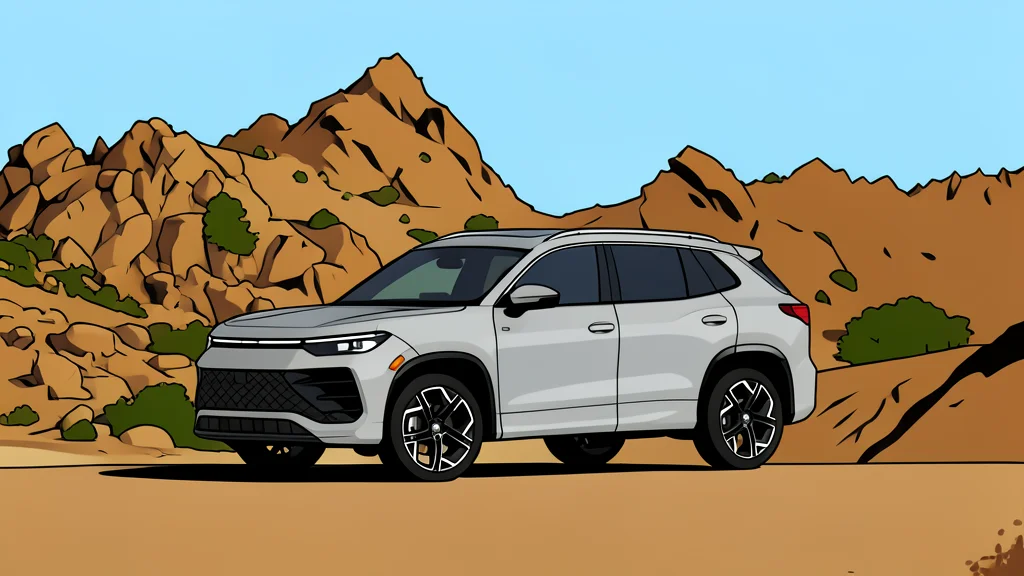
Volkswagen America initiates a recall for 49,958 Tiguans due to a body control module software defect that can disable critical safety systems.
Volkswagen Group of America has filed a safety recall covering 49,958 Tiguan vehicles in the United States. The affected units were manufactured between March 24 and August 30, 2025. The defect stems from a specific version of the body control module software that fails to manage error-correcting codes correctly.
This software instability can trigger unexpected resets of the body control module. Such resets shut down the ignition switch, deactivate airbags, and cut power to steering and lighting systems. These failures pose a significant risk of collision, particularly if motive power is lost at highway speeds.
Software Defect Triggers Safety Risks
The root cause is a misconfigured fault control unit manager within the body control module. The software mishandles error-correction processes, leading to system resets. Volkswagen identified this issue during internal testing where a vehicle’s ignition switched off unexpectedly. The company linked the behavior to poor coding in system error handling.
Volkswagen initially monitored the issue without immediate action, reviewing field data and failure modes through its Product Safety Committee. The committee identified similar cases in other markets before approving the recall in September 2026. This delay allowed the company to gather sufficient data to confirm the failure mode.
Remedy Involves Free Software Update
Dealers will update the body control module software to version 0326 or newer at no cost to the customer. Affected vehicles currently run versions 0324 or 0325. Volkswagen corrected the production process during the 36th week of 2025, introducing the fix around early September 2025.
NHTSA lists the recall under number 26V587. Dealers receive notification on September 18, while customer letters are scheduled for November 6. Owners can verify their vehicle status by entering the 17-character VIN on the NHTSA recall portal.
Operational Timeline and Owner Actions
The recall was announced by GN auto stocks/software, which tracks automotive industry software issues. The sequence of events began with the initial software release in early 2025. The production fix followed in late summer, but the formal recall decision came only after a year of monitoring and committee review.
Owners of 2025 Tiguans should check their VIN status. The update process is a simple software flash that resolves the error-handling logic. This action restores proper functionality to the ignition, airbags, and power steering systems.