Micron Stock Slides to $90.50 Amid AI Sentiment Shift
Micron Technology shares retreated to approximately $90.50 following market concerns over AI spending, despite stable underlying demand for high-bandwidth memory.
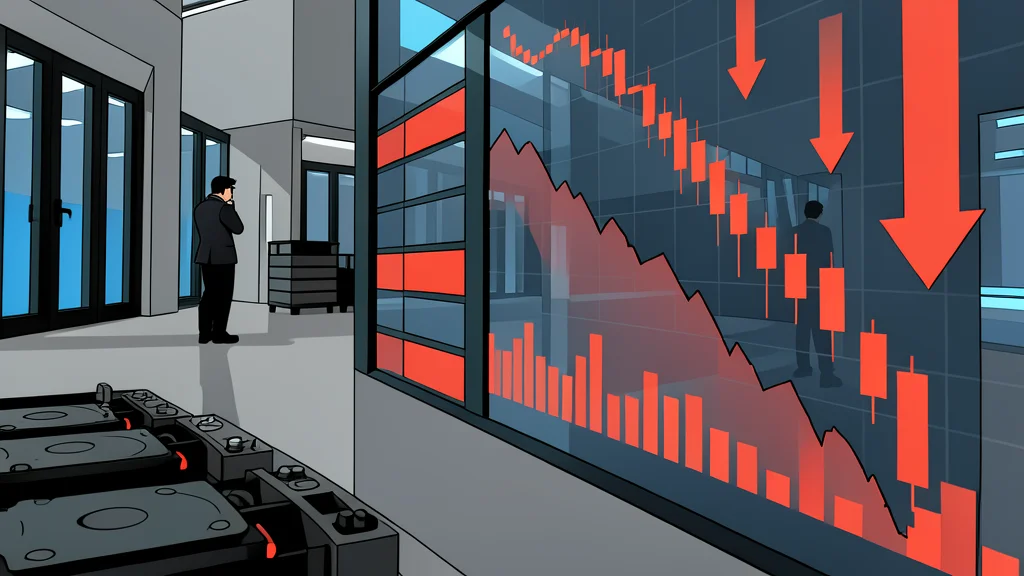
Micron Technology (MU.US) shares experienced a notable pullback, settling near $90.50 last week. This decline coincides with broader market anxiety regarding the pace of artificial intelligence development and its subsequent impact on semiconductor demand. The stock’s recent weakness appears driven primarily by sentiment shifts rather than a fundamental deterioration in the company’s core business metrics.
According to data from GN auto stocks/technology: tech stocks, the sell-off reflects a disconnect between short-term investor mood and long-term operational reality. While market participants worry about potential slowdowns in AI infrastructure spending, the specific demand drivers for Micron’s high-bandwidth memory (HBM) products remain robust. The company’s position in the HBM supply chain has not shown signs of significant erosion, suggesting the recent price action is more reactive than predictive of future performance.
HBM Demand Remains Undisturbed by Sentiment
The core driver of Micron’s recent volatility is the perceived risk in AI capital expenditure. However, current indicators suggest that HBM demand has not yet registered a material decline. This stability is critical for Micron, as HBM is a high-margin segment essential for advanced AI training and inference workloads. The absence of a demand drop-off implies that the company’s revenue streams tied to these specialized chips are holding firm despite broader market jitters.
Market narratives often conflate general tech sentiment with specific component demand. In Micron’s case, the underlying order book for HBM appears resilient. The recent stock movement does not correlate with any confirmed reduction in production orders or customer commitments. Instead, it mirrors a broader risk-off posture among investors who are reassessing the sustainability of rapid AI adoption. This distinction is vital for evaluating the company’s true financial health versus its short-term trading volatility.
Major AI Labs Maintain Spending Plans
Key customers in the artificial intelligence ecosystem have not announced any changes to their capital allocation strategies. Major players such as OpenAI and Anthropic continue to execute their existing model-training budgets without reported cuts. These organizations are primary consumers of the high-performance memory that Micron supplies. Their consistent spending plans provide a buffer against the speculative fears currently circulating in the wider semiconductor sector.
The lack of budget reductions from these leading AI developers signals continued investment in computational power. Since HBM is a bottleneck component in modern AI accelerators, the sustained spending by these labs directly supports Micron’s demand outlook. This steady flow of orders helps insulate the company from the broader market uncertainty that has driven its stock price lower. The operational reality thus remains positive even as the equity market expresses caution.
Sentiment Outpaces Fundamental Reality
The recent weakness in Micron’s share price illustrates a scenario where market sentiment deteriorates faster than the underlying business fundamentals. Investors are reacting to macro-level concerns about AI sustainability, which has led to a broader risk aversion in tech stocks. However, for Micron specifically, the demand for its specialized memory products remains intact. This divergence creates a situation where the stock price may not accurately reflect the company’s current operational strength.
As the market digests these sentiment-driven moves, the focus remains on the durability of AI infrastructure spending. Micron’s exposure to this sector is significant, yet the current data points to a stable demand environment. The company’s ability to maintain its position in the HBM market, supported by committed customers with unaltered budgets, suggests that the recent pullback is a temporary sentiment shock rather than a structural decline. This perspective underscores the importance of distinguishing between short-term market noise and long-term industry trends.