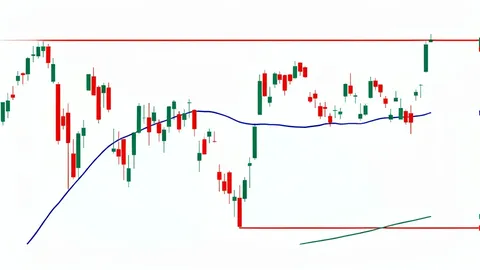
Walmart and Home Depot Demand Rises as Retail Stocks Slide

Consumer demand data shows a 7.9% year-over-year increase in August, diverging from the recent sell-off in major retail equities.
Key points
- TradeSmith data shows consumer demand rose 7.9% year-over-year in August, contradicting the recent retail stock sell-off.
- Walmart is gaining market share from Target as shoppers seek value, with its e-commerce and delivery capabilities driving multi-year demand highs.
- Home Depot demand is up 15% year-over-year as homeowners with low mortgage rates invest in renovations, despite a 27% stock decline.
Retail stocks have endured a significant sell-off as the Federal Reserve raised interest rates to a 3.75% to 4.0% target range, signaling a hawkish stance. Despite this macroeconomic pressure, underlying consumer activity remains robust. TradeSmith data indicates that consumer demand across major retailers increased by 7.9% year-over-year in August, contradicting the market’s pessimistic pricing of the sector.
The divergence between share price performance and operational metrics suggests a sentiment-driven correction rather than a fundamental demand collapse. Shoppers are shifting spending patterns toward value-oriented retailers, with Walmart and Home Depot gaining market share from competitors like Target and Lowe's. This reallocation reflects a strategic adjustment by consumers to higher costs, rather than a reduction in overall volume.
Consumer Demand Data Defies Market Pessimism
TradeSmith tracks real-time indicators including social mentions, website visits, and app downloads to gauge purchasing behavior. The firm’s August data shows a 7.9% year-over-year increase in demand, a figure that remained stable despite the September rate hike. Analysts note that the top 10% of earners, who drive a disproportionate share of U.S. consumption, are largely insulated from small policy rate adjustments.
The primary shift is in consumer pickiness rather than spending volume. Households have adjusted to higher-for-longer rates and inflation, leading to a trade-down in brand loyalty. This behavior has sustained demand signals across multiple sectors for the past three to four months, indicating that the core American shopper remains active despite the tightening monetary environment.
Walmart Captures Value-Seeking Shoppers
Walmart (NYSE: WMT) is experiencing multi-year highs in consumer demand signals, driven by shoppers migrating from competitors like Target. The company’s e-commerce infrastructure, which has improved significantly over the last decade, now offers competitive same-day fulfillment. This operational strength allows Walmart to capture lifetime customers who prioritize convenience and price, even as the stock trades in a $105 to $110 range.
Despite a nearly 9% single-day drawdown following its August earnings report, Walmart’s business model shows resilience. The company beat earnings expectations and raised full-year guidance, highlighting a less cyclical profile compared to specialty retailers. The stock’s position near its 52-week low of $98.88 presents a discounted entry point for investors focused on durable consumer franchises.
Home Depot Rides Renovation Momentum
Home Depot (NYSE: HD) has seen shares fall roughly 27% over the trailing year, approaching 30% below its 52-week high. However, consumer demand metrics are up 15% year-over-year, the strongest reading since the pandemic-era DIY boom. Homeowners with locked-in 3% mortgages are redirecting funds from moving expenses into kitchen, basement, and outdoor renovations.
The company benefits from both DIY and professional contractor spending, capturing a broader share of the remodeling market than competitors like Lowe's. Management has provided conservative guidance amid fuel and rate pressures, creating an asymmetric setup if macroeconomic conditions stabilize. The September rate hike reinforces the homeowner lock-in effect, sustaining demand for improvement projects.