AGL Liddell Battery Completes Final Reliability Tests
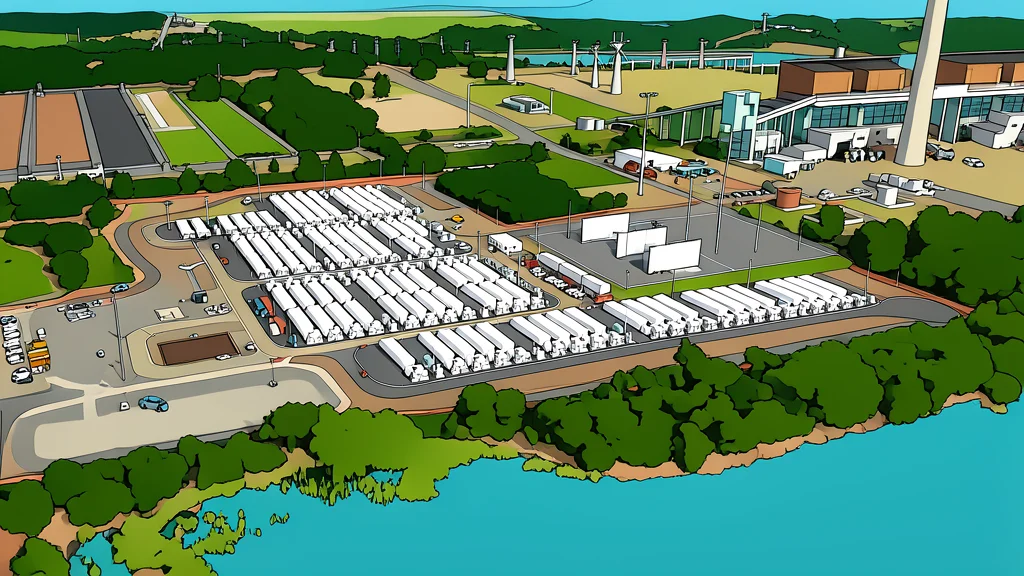
AGL's 500-megawatt Liddell Battery in New South Wales has passed its final reliability tests, achieving full commercial operation three months behind schedule.
AGL Energy has confirmed that the Liddell Battery, a 500-megawatt, 1,000-megawatt-hour energy storage system in New South Wales, is now fully operational. The facility completed its final reliability testing on September 15, following a commissioning process that began in March. This marks the end of a phased rollout where half the capacity entered commercial service in June, while the remainder awaited regulatory approval from the Australian Energy Market Operator and Transgrid.
The project's timeline slipped by approximately three months from the original June target, though this delay is modest compared to competitors. For context, the 850-megawatt Waratah Super Battery remains more than a year behind schedule due to transformer failures. AGL’s delay was driven primarily by the necessary network behavior approvals required before the full 500-megawatt output could be registered with the market operator, a process that took roughly 21 months from application to registration.
Existing Infrastructure Reduces Connection Delays
The strategic advantage of the Liddell site lies in its pre-existing grid connection. The battery plugs into the same 330,000-volt switchyard that served the plant's four coal units for 50 years. AGL chief executive Damien Nicks cited this grid connection as the primary factor in site selection, ahead of land and water availability. By utilizing the existing overhead line, just under 1,500 feet long, AGL bypassed the lengthy interconnection queues that typically stall new renewable projects.
This infrastructure reuse is critical for cost and time efficiency. Connecting large-scale generation to the grid is a slow process even when hardware is ready. The 21-month connection timeline, despite the existing wires, highlights the complexity of market registration. However, it remains significantly faster than greenfield sites, where securing a grid slot can take several years. The proximity to the operational Bayswater coal plant, which will not close until 2033, further solidifies the site's value in the regional energy mix.
Capacity Meets Evening Demand Peaks
The Liddell Battery can output 500 megawatts for two hours, a capacity equivalent to the power needs of approximately 200,000 homes during that period. This output represents a quarter of the 2,000-megawatt capacity previously generated by the shuttered coal units. The system is designed to absorb excess wind and solar power during low-demand periods and dispatch it during evening peaks, addressing the temporal mismatch inherent in renewable energy generation.
As one of the first large-scale batteries on Australia's main grid to operate in grid-forming mode, the Liddell Battery provides stability services traditionally supplied by spinning generators. This capability is essential for maintaining frequency and voltage as coal plants are retired. The transition from thermal generation to electrochemical storage at this site exemplifies the repurposing of legacy infrastructure to support a decarbonized grid, ensuring reliability while reducing dependence on fossil fuels.