California Gas Generation Falls 26% as Batteries Cover Evening Peaks
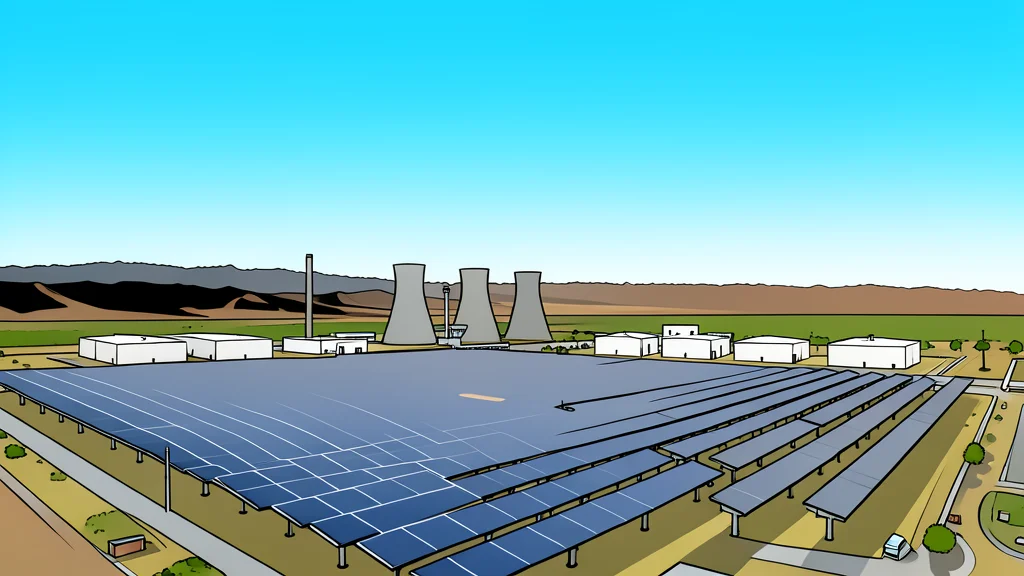
Gas-fired generation in California dropped 26% in early 2026, replaced by battery storage and solar that now cover evening demand spikes.
Key points
- California's peak demand in August 2026 was 46,015 MW, significantly lower than the 52,061 MW record from 2022.
- Gas-fired electricity generation in the state fell 26% in early 2026 compared to the same period in 2025.
- Battery storage now covers evening demand spikes, replacing the role of gas peaker plants and enabling net exports.
California's natural gas-fired power plants are yielding to solar and battery storage at an accelerated pace, fundamentally altering the state's grid architecture. On August 26, 2026, the California Independent System Operator (CAISO) recorded a peak demand of 46,015 megawatts, a figure notably lower than the 52,061 megawatt record set in September 2022. This reduction in peak load coincided with a structural shift where renewable sources and storage assets dominated the supply mix during the critical evening hours.
The transition marks a decisive departure from the historical reliance on gas peaker plants for evening ramping. During the 2026 peak event, batteries discharged stored energy to meet the post-sunset demand surge, a role previously filled exclusively by gas turbines. At specific intervals, California’s grid exported more electricity than it consumed, transforming the state from a net importer into a temporary net supplier during high-stress periods.
Gas generation declines sharply
Data from the U.S. Energy Information Administration reveals a steep downward trajectory in gas usage for electricity generation. After a 15% drop in 2025 compared to 2014 levels, gas consumption fell an additional 26% in the first half of 2026 relative to the same period in 2025. California’s share of total U.S. gas-fired electricity generation has shrunk from 10% in 2014 to just 4% in 2025, moving against the broader national trend where gas remains a dominant baseload source.
This decline follows a consistent pattern since 2014, when gas generation peaked in the state. Eight of the eleven years since that high point have seen reductions in gas usage. The rapid acceleration in the drop-off during 2025 and 2026 indicates that the displacement of gas is no longer a gradual phase-out but an immediate operational reality driven by the availability of cheaper, cleaner alternatives for peak coverage.
Batteries replace peaker plant functions
The operational mechanism driving this change relies on the integration of utility-scale solar with battery storage. Solar installations generate a substantial midday surplus, which is captured by batteries and dispatched during the evening demand spike. This sequence effectively replaces the function of gas peaker plants, which were historically the most expensive and least efficient units on the grid, designed solely to run for a few hours during peak demand.
Energy analyst Ed Smeloff notes that batteries are executing the exact service previously provided by peakers, but without combustion emissions. The widespread adoption of rooftop solar and residential battery systems has further compounded this effect by reducing overall grid demand and flattening the peak curve. Consequently, gas plants are running fewer hours, leading to higher per-unit operating costs and reduced economic viability.
Policy drives structural grid shift
The transition is underpinned by California’s carbon-reduction mandates, which have incentivized the rapid deployment of renewable energy and storage infrastructure. These policies have accelerated the buildout of solar capacity, creating the surplus necessary for battery charging. The result is a grid that is less dependent on imported fossil fuels and more resilient to price volatility associated with natural gas markets.
As reported by energiesmedia.com, the combination of record low peak demand and high storage capacity has altered the economic calculus for gas plant operators. The state’s grid is now capable of balancing supply and demand through renewable dispatch, reducing the need for gas units to provide capacity. This shift signals a long-term decline in the role of gas-fired generation in California’s electricity mix, with batteries emerging as the primary tool for evening reliability.