Ratcliffe Blames Taxes for Ineos' UK Exit
Ineos founder cites high taxation and lack of CCS support as reasons for relocating his tax residency to Monaco.
Key points
- Ineos founder Jim Ratcliffe cites high UK taxes and immigration policy as reasons for his loss of confidence in the British economy.
- Ratcliffe criticizes the UK government's North Sea oil policy, calling the halt to new development 'insanity' and threatening energy security.
- Ineos invested in an EU carbon capture project in Denmark after failing to secure government backing for a similar UK-based facility.
Jim Ratcliffe, co-owner of Manchester United and founder of Ineos, has stated he has lost confidence in the United Kingdom as a place to operate business. The billionaire, whose personal wealth is estimated at £15 billion, attributes this shift to high tax burdens and immigration policies that he believes drive capital and talent away from the country.
Speaking to the BBC, Ratcliffe described the UK economy as being on a downward slide. He emphasized that a cultural hostility toward wealth creation discourages investment, contrasting the environment with the United States where successful entrepreneurs receive broader social support.
Ineos faces hostile tax environment
Ratcliffe has been a tax resident of Monaco since 2020, a move he defends as a rational response to UK fiscal policy. He argues that excessive taxation effectively punishes those who generate significant economic value, leading to capital flight. This stance aligns with his previous criticism of the UK’s approach to corporate taxation and its impact on industrial viability.
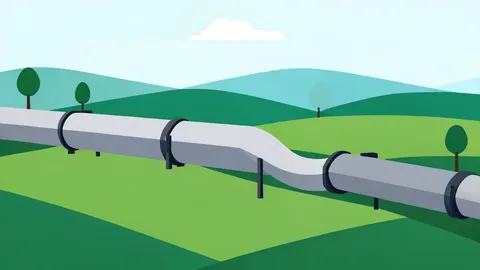
The Ineos group, which operates the Forties pipeline responsible for roughly 30% of the UK’s North Sea oil transport, faces direct operational risks from these policies. Ratcliffe warns that the current regulatory framework is pushing major industrial players to consider exiting the market entirely due to unsustainable cost structures.
North Sea strategy sparks industry conflict
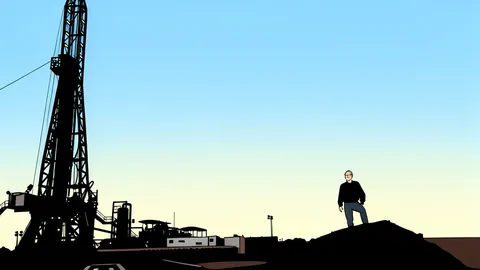
A central point of contention is the UK government’s energy policy regarding North Sea resources. Ratcliffe labels the failure to invest in further oil and gas development as insanity, arguing that shutting down domestic production forces the UK to import more expensive energy. He specifically supports the development of the Rosebank and Jackdaw fields to secure supply.
While the government maintains that oil and gas will play a role for decades, it emphasizes a transition to clean power. Ratcliffe disagrees, asserting that importing energy when domestic reserves exist is economically irrational. He contends that the current policy direction undermines energy security and industrial competitiveness.
Carbon capture project moves to EU
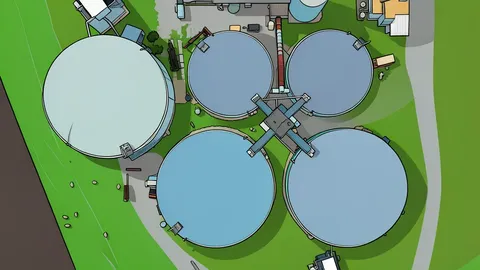
Ratcliffe announced these views during the launch of the EU’s first carbon capture and storage (CCS) system in Denmark. Ineos has invested in this project, which is supported by the Danish government and the EU, after failing to secure sufficient backing for a similar facility in the UK.
The UK government claims to have committed £21.7 billion to CCS projects over 25 years, yet no operational sites exist in the country. Ratcliffe’s decision to locate his CCS investment in Denmark signals a lack of trust in the UK government’s delivery capabilities and its commitment to advanced industrial technologies.