Cheniere Energy Expands Capacity as U.S. Gas Prices Soften

U.S. natural gas futures fell 4.8% this week due to cooler weather and higher inventories, yet Cheniere Energy continues to expand its LNG export capacity. The company’s long-term contracts and growing production provide stability against domestic price volatility.
U.S. natural gas futures closed the week at $2.831 per MMBtu, marking a 4.8% decline. Cooler weather reduced expectations for power-sector demand during the shoulder season, while ample inventories and rising production weighed on prices. Despite these domestic headwinds, strong demand from liquefied natural gas export facilities provided a floor under the market, supported by tighter global gas supplies.
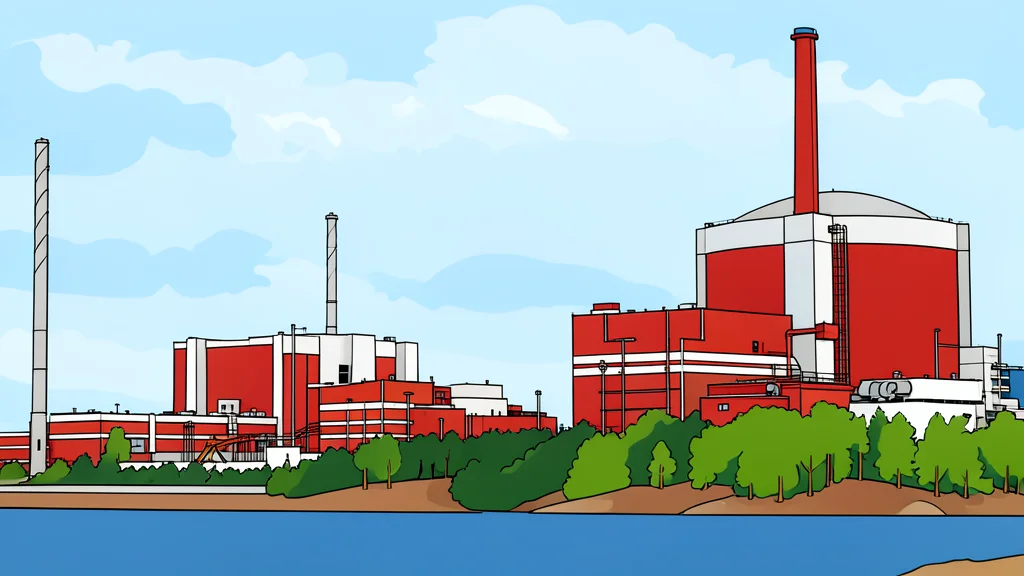
Cheniere Energy, a leading U.S. LNG exporter, is positioned to benefit from this global demand shift. The company operates large facilities at Sabine Pass and Corpus Christi, which process domestic natural gas for overseas customers. These plants currently provide more than 55 million tons per year of operating production capacity, connecting U.S. supply with global buyers who face their own supply constraints.
Storage Builds Exceed Forecasts
The Energy Information Administration reported a 40-billion-cubic-feet storage injection for the week ended Sept. 4, which exceeded analyst guidance. Although this build remained below the five-year average of 52 Bcf, total working gas reached 3,254 Bcf. This level is 148 Bcf above the five-year average but 79 Bcf below the year-ago level, indicating comfortable domestic inventories that continue to pressure spot prices.
Near-term conditions remain challenging as cooling demand fades and dry gas production edges higher. These factors could lead to larger storage injections before heating demand picks up in October. However, the longer-term demand picture offers stability for producers and exporters, as global tightness supports the value of U.S. gas exports even when domestic inventories are high.
LNG Exports Drive Demand
LNG feedgas held steady at 19.6 Bcf per day, providing consistent offtake for domestic producers. The EIA expects average U.S. LNG exports to rise from 17.4 Bcf per day in 2026 to 18.6 Bcf per day in 2027. This growth trajectory is supported by unusually low European storage levels and disruptions to Middle Eastern LNG shipments, which tighten the global market and sustain demand for U.S. gas.
Cheniere Expands Export Capacity
Cheniere Energy is actively expanding its footprint to capture this demand. The Corpus Christi Stage 3 project is nearing completion, while the Sabine Pass Expansion Phase 1 is moving toward a final investment decision. These additions increase the company's ability to ship gas overseas, further linking its revenue to global LNG prices rather than volatile domestic spot markets.
Long-term contracts provide Cheniere with cash-flow visibility, supporting its growth plans and reducing exposure to short-term price swings. The company has beaten consensus earnings estimates in three of the last four quarters, with a trailing four-quarter earnings surprise of roughly 21.7% on average. This performance underscores the resilience of its export-focused business model amid domestic price weakness.