Musk Targets 200 GW Solar and Turbine Production
Elon Musk plans to expand Tesla and SpaceX manufacturing to meet AI-driven power demands, combining solar capacity with in-house gas turbine component production in Texas.
Elon Musk is driving a major expansion in domestic power generation manufacturing through Tesla and SpaceX, targeting a combined 200 gigawatts of annual solar production capacity. This ambition significantly exceeds the current United States solar module manufacturing base, which stands at approximately 66 gigawatts. The strategy addresses the severe electricity constraints currently limiting the deployment of artificial intelligence data centers, a sector where Musk’s companies are also significant operators.
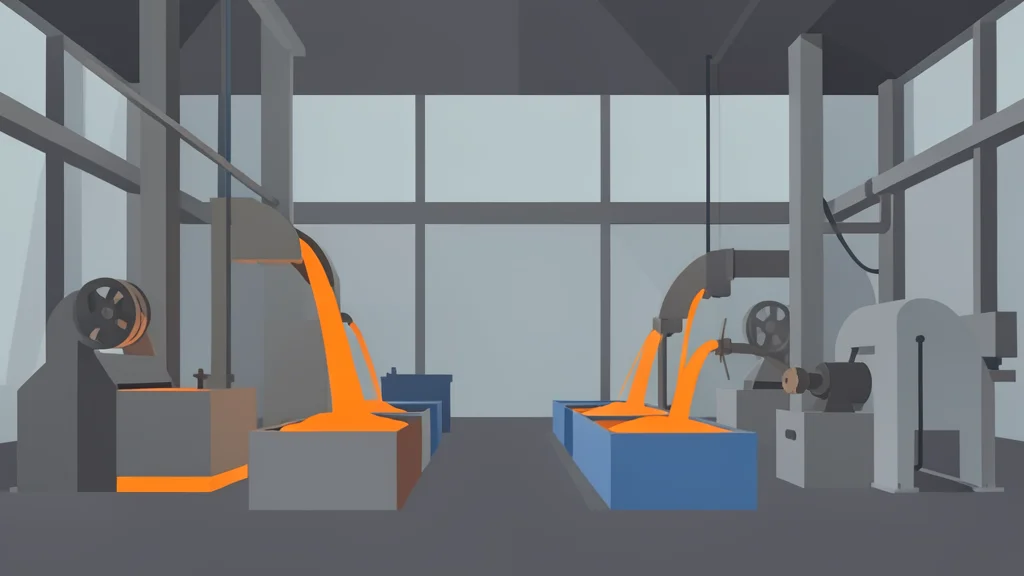
To bridge the gap between renewable energy availability and immediate demand, SpaceX is entering the gas turbine supply chain by vertically integrating the production of critical components. The company has acquired 830 acres near Bastrop, Texas, to construct a foundry for turbine blades and vanes. This move aims to remove a primary bottleneck in the deployment of natural gas power plants, a segment that remains essential for grid stability while renewable infrastructure scales.
Texas Foundry Addresses Turbine Shortages
The new facility, located about 30 miles southeast of Austin, will house specialized casting equipment for turbine internals. Musk stated that bringing this manufacturing in-house could accelerate the deployment of natural gas turbines by up to 18 months. This approach mirrors SpaceX’s historical strategy of resolving supply chain constraints by internalizing the production of complex hardware, a method previously applied to rocket engine components.
The decision responds to a critical shortage of turbine components that has hampered developers seeking to add generation capacity for data centers. By controlling the production of blades and vanes, SpaceX intends to mitigate reliance on external suppliers who face long lead times. This vertical integration allows for tighter quality control and faster iteration, directly supporting the rapid expansion of power infrastructure required by high-compute workloads.
Solar Capacity Targets Exceed National Output
Tesla and SpaceX each aim for 100 gigawatts of annual solar manufacturing capacity, a target that would dwarf the current national output. Estimates from pv Magazine suggest that achieving this scale would require approximately 43 million square feet of factory space for cell and module production. The manufacturing process itself is energy-intensive, with projected consumption of 1.2 gigawatts of electricity to power the facilities, creating a recursive demand for the very energy the system is designed to produce.
Tesla’s existing expertise in battery manufacturing supports this expansion, with the company deploying 13.5 gigawatt-hours of energy storage in the second quarter of 2026. This storage capability is critical for balancing the intermittent nature of solar power. The combined strategy of massive solar output, extensive storage, and dispatchable gas generation forms a comprehensive response to the rising electricity appetite of the AI industry.
Industrial Playbook Applied to Power Grid
Musk’s approach identifies specific bottlenecks in the energy transition and builds the missing industrial capacity to resolve them. The current U.S. grid faces pressure from a surge in data center demand, straining transformers, transmission equipment, and turbine supply chains. By simultaneously building solar, storage, and gas turbine components, Musk’s companies are creating a self-reinforcing industrial ecosystem designed to support high-density computing operations.
This strategy does not negate the energy transition but accelerates it through industrial scale. Natural gas provides immediate dispatchable power, while solar and storage offer long-term scalability. The integration of these elements addresses the specific needs of AI infrastructure, which requires both high baseload capacity and rapid scalability. The move represents a significant shift in how technology companies approach energy security, prioritizing direct control over generation and storage assets.