Danube Drought Tests Nuclear Cooling Limits
Record low river levels forced Paks and Cernavoda to curtail output, exposing design gaps in thermal power infrastructure.
Summer 2026 drought conditions along the Danube River triggered severe operational constraints for nuclear facilities in Hungary and Romania. The Paks Nuclear Power Plant, which typically supplies nearly half of Hungary’s electricity, dropped to approximately 10% of its rated capacity. In Romania, insufficient cooling water volumes at the Cernavoda Nuclear Power Plant led to preparations for shutting down its remaining active reactor. These two units, each with a 706-megawatt capacity, normally account for roughly 20% of Romania’s total power generation.
The curtailments were driven by physical limits on thermal discharge rather than fuel shortages. When river flows decline and ambient water temperatures rise, plants face strict environmental regulations regarding the temperature of water returned to the ecosystem. This creates a binding constraint on continuous operation. The episode highlights a critical divergence between current engineering standards, which often rely on historical hydrological data, and the projected environmental conditions these assets will face over their 60-year operational lifetimes.
Design Standards Lag Behind Climate Reality
Industrial Info Resources data indicates that the recent disruptions expose a systemic risk in long-term energy planning. Many thermal facilities, including nuclear and coal plants, are engineered based on average historical river levels and temperatures. However, the frequency of extreme droughts is increasing. Operators in Hungary are already reassessing cooling infrastructure for the planned Paks 2 expansion, while Romanian authorities are evaluating modifications to improve water reliability at existing sites. The core issue is whether current design codes adequately account for the broader range of hydrological variability expected in the coming decades.
SMR Flexibility Offers Cooling Alternatives
Small modular reactors present a potential pathway to mitigate these risks through design flexibility. According to International Atomic Energy Agency documentation, advanced reactor concepts can utilize dry-air condensers for inland locations, reducing dependence on river water. While dry cooling systems may incur efficiency losses or higher capital costs, they decouple plant operations from seasonal river flow variations. This capability allows site selection and cooling technology to be treated as primary engineering variables alongside fuel supply and transmission access, rather than secondary considerations addressed after construction.
Precipitation Extremes Create Additional Hazards
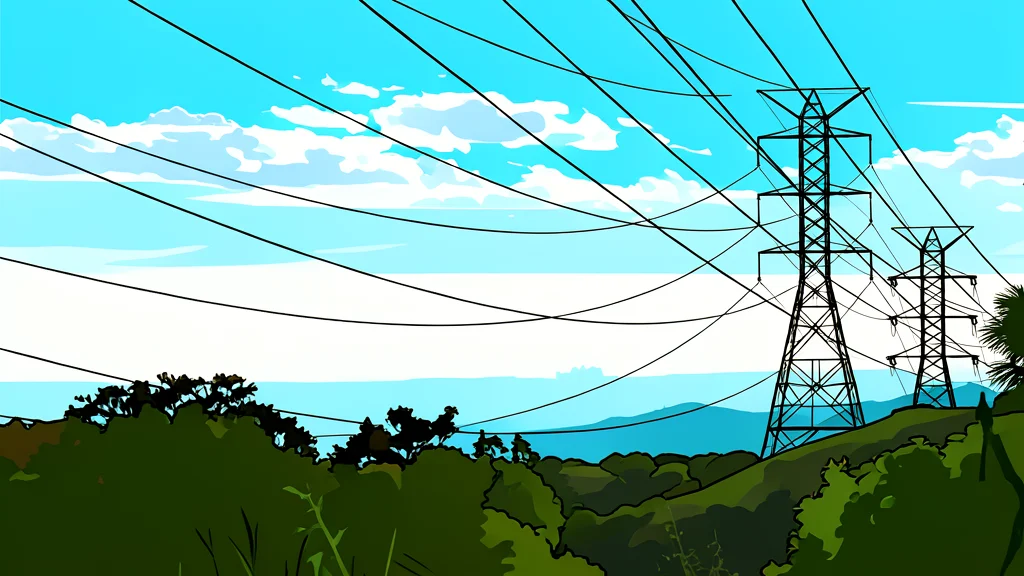
Climate risk is not limited to water scarcity. A warmer atmosphere intensifies precipitation events, introducing distinct vulnerabilities for power infrastructure. Extreme rainfall can flood substations, restrict site access, and trigger landslides that damage transmission lines. Hydropower facilities face specific threats from rapid changes in reservoir inflows and increased sediment loads during flood events. The International Energy Agency has documented cases in Africa and Asia where tropical cyclones and floods disrupted generation, demonstrating that both drought and deluge represent material operational risks for the power sector.