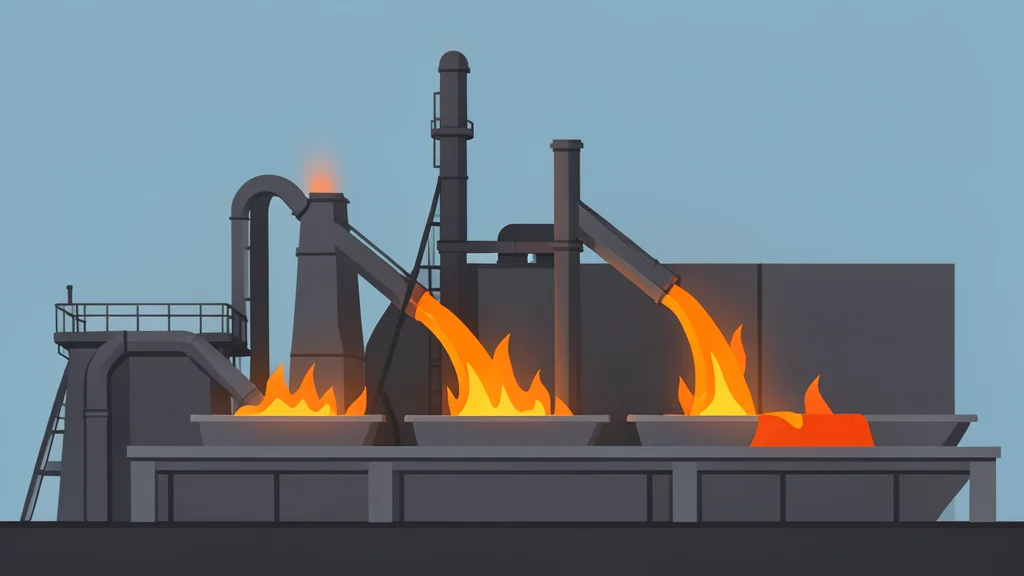
China Aluminium Inventories Drop as Output Hits Record High

Domestic stockpiles in China have declined, supporting benchmark prices that have risen nearly 8 percent. This demand-side improvement contrasts with record production levels that threaten to exceed the national capacity ceiling.
China's domestic aluminium inventories have declined, providing tangible support to benchmark prices. The three-month aluminium contract gained nearly 8 percent year-to-date, reaching approximately RMB 24,193.33 per tonne on September 17. This price strength reflects a tightening of physical supply in the immediate market, even as broader production metrics suggest ample future availability.
Despite the inventory drawdown, the supply outlook remains constrained by record-breaking output. According to the National Bureau of Statistics, August production hit a peak of 4 million tonnes, a 4.7 percent increase year-over-year. Cumulative production from January to August totaled around 31 million tonnes, up 3.9 percent from the same period last year, indicating that smelters are maintaining maximum throughput.
Production exceeds capacity ceiling
Sustained high output has pushed annual production forecasts to approximately 47 million tonnes. This figure surpasses the country's long-standing 45-million-tonne aluminium capacity ceiling. Smelters are maintaining these elevated levels driven by strong margins and robust pricing, which incentivizes continued operation despite regulatory limits.
The market faces additional pressure from upstream supply. A new alumina project in Guangxi has entered trial production, signaling an increase in future feedstock availability. This expansion is expected to add to the overall supply chain, potentially weighing on downstream aluminium prices as the market adjusts to higher input volumes.
Broader base metal supply signals
Other base metals show mixed supply dynamics that influence the broader industrial metals sector. The Fankou Lead-Zinc Mine resumed operations on September 17, increasing the expected supply of lead and zinc and exerting downward pressure on those prices. In copper, Peru has increased production while India implemented anti-dumping measures against Chinese cables. However, lower domestic copper inventories continue to provide some price support, creating a complex trading environment.
Energy costs and demand weakness
Input costs and broader commodity demand present further challenges. Recent Mongolian coal auctions received no bids, reflecting weak industrial demand that could depress spot and futures coal prices. Simultaneously, Saudi Arabia has resumed oil shipments, increasing crude supply and potentially lowering energy costs. These factors may reduce the production expenses for energy-intensive smelters, further supporting their high output levels.