Dunkirk Gas Terminal Output Falls Due to French Labor Strike
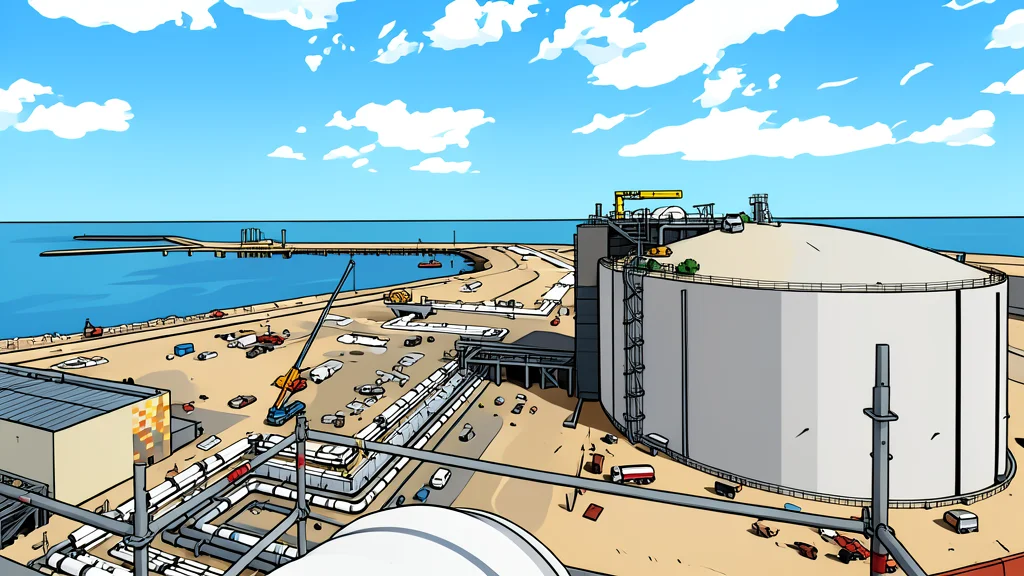
A 24-hour strike at French energy operators cut Dunkirk LNG terminal capacity to 4 GWh per day, impacting European gas storage fill rates.
Delivery capacity at the Dunkirk liquefied natural gas terminal dropped to 4 gigawatt-hours per day on Tuesday, according to Fluxys data. This represents a significant reduction from the facility's standard minimum output of 9.4 GWh per day. The decline was a direct result of a 24-hour labor action involving key energy sector workers in France.
The disruption stems from a protest against a recommendation by the French Court of Auditors to limit employee benefits, including discounted access to power and gas. Unions at state-owned nuclear operator EDF, Belgian terminal operator Fluxys, and French operator Elengy joined the strike. This event coincides with a critical period for European gas storage refills ahead of winter, with several nations currently lagging behind union targets.
Strike Targets Employee Benefit Cuts
The core grievance involves the potential removal of discounted energy rates for workers and retirees in the French energy sector. Unions characterize these discounts as a fundamental component of their compensation packages. The French Court of Auditors proposed curbing these benefits, prompting coordinated action across the power and gas infrastructure sectors.
The industrial action extended beyond gas terminals to affect electricity generation. EDF reported that 6.5 gigawatts of electrical capacity were taken offline overnight between Monday and Tuesday. This simultaneous reduction in power and gas delivery capacity highlights the interconnected nature of French energy infrastructure during the labor dispute.
Limited Impact On Gas Logistics
LSEG analyst Dzmitry Dauhalevich noted that the strike primarily affected sendout ability at Dunkirk rather than inbound logistics. No new LNG cargoes were scheduled to arrive at the terminal during the disruption period. Additionally, no vessels were observed redirecting their routes to alternative European terminals, indicating the supply chain remained largely intact despite the local operational halt.
Elengy confirmed that operations at its other major sites remained unaffected. A spokesperson stated that the two terminals at Fos and the Montoir terminal continued to function without disruption. This localized nature of the strike suggests that overall European gas supply remains stable, even as specific nodes experience temporary capacity constraints.
European Storage Levels Remain A Focus
The timing of the strike complicates efforts to maximize gas storage levels before winter. France is one of Europe's largest gas exporters, and any reduction in its ability to process and distribute LNG affects broader regional supply dynamics. Germany and other gas-reliant countries are currently behind their EU storage targets, making efficient terminal operations critical for meeting winter demand.
While the immediate physical impact on inventory levels is limited by the short duration of the stoppage, the event underscores the vulnerability of energy infrastructure to labor disputes. The industry awaits further developments regarding the negotiations between unions and the French government over the future of employee benefits in the energy sector.