EU Gas Storage at 69% as Qatar LNG Disruptions Tighten Markets
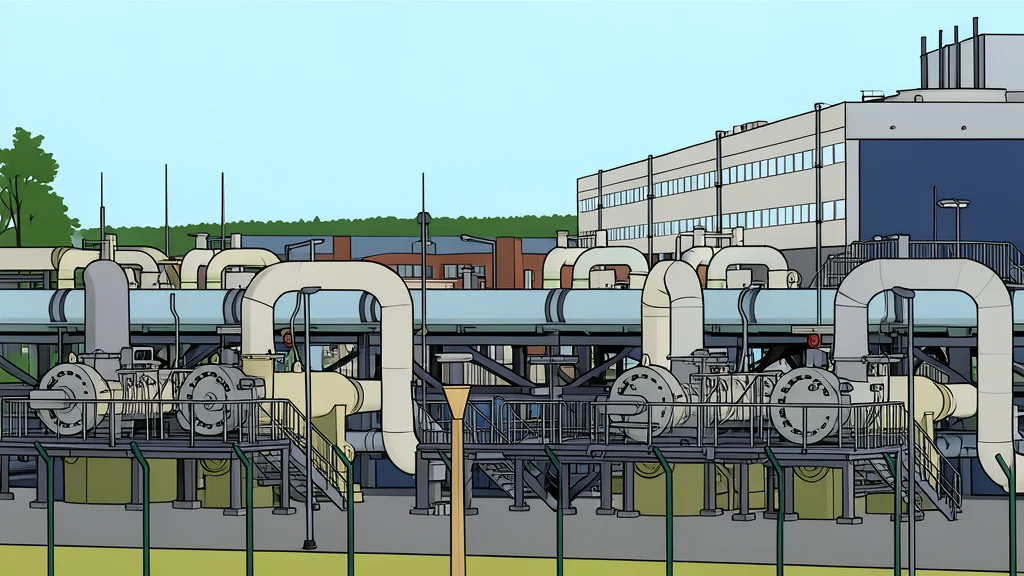
European Union gas storage levels stand at 69% in mid-September, down from target levels due to Qatari export outages and high demand, forcing a strategic pivot toward US LNG and flexible filling rules.
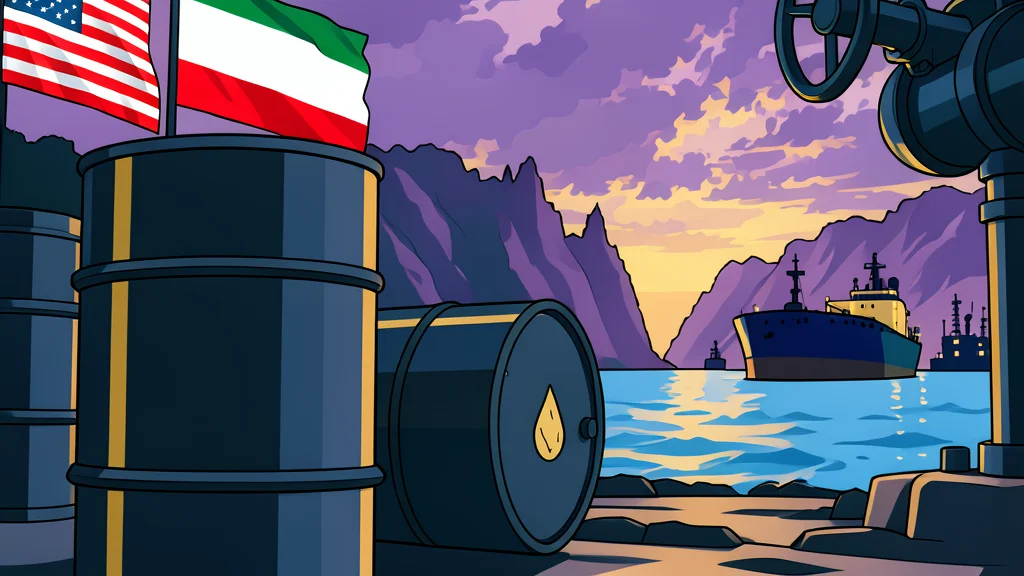
Disruptions in the Strait of Hormuz and operational outages at Qatar’s export facilities have significantly tightened global gas markets. These supply shocks have forced the European Union to accelerate the search for alternative sources and increase operational flexibility ahead of the winter season. The current market environment presents a complex challenge for European energy security, as traditional supply routes face physical and logistical constraints.
Data from Gas Infrastructure Europe indicates that EU gas storage facilities were approximately 69% full as of mid-September. This level is notably below the regulatory target of 90% required by November 1, a rule implemented in response to the energy crisis triggered by Russia’s invasion of Ukraine. The shortfall is attributed to heavy withdrawals during the previous winter, low starting inventories, and slowed injection rates caused by high power generation demand during recent heatwaves.
Regulatory flexibility eases price pressure
The European Commission supports greater flexibility for member states in meeting storage targets to mitigate pressure on gas prices. In March, regulators urged countries to utilize an option allowing filling targets to be lowered to 80% as early as possible. Recent rule revisions also permit the target to be met between October 1 and December 1, providing a wider window for compliance.
Policymakers view an 80% fill level as sufficient to maintain security of supply for the upcoming winter. This approach aims to reduce the risk of European buyers competing simultaneously for LNG cargoes late in the summer, a dynamic that has historically pushed spot prices higher. By staggering demand, the EU hopes to stabilize market conditions without compromising winter readiness.
US LNG replaces Qatari volumes
The EU Agency for the Cooperation of Energy Regulators estimates that if Qatari LNG production remains disrupted until December, the EU’s spot LNG requirement could rise to 56 billion cubic metres from a baseline of 40 billion cubic metres. This leaves a gap of 16 billion cubic metres that must be filled from the global market, forcing Europe to compete with Asian buyers for available cargoes.
US LNG emerges as the primary alternative source, accounting for roughly 30% of the EU’s total gas imports and two-thirds of its LNG imports. However, experts note that additional US capacity cannot fully replace lost Qatari volumes in the short term. The two damaged Qatari export trains may remain offline for two to three years, limiting the ability to restore pre-disruption supply levels quickly.
Market incentives drive storage behavior
Governments are considering financial incentives to encourage market participants to store more gas rather than relying on direct public purchases. Germany plans to use market mechanisms to motivate gas traders to increase winter storage, according to international reports. These measures aim to align private sector behavior with public security of supply goals.
Reducing gas demand is another strategic lever. The EU aims to limit gas-fired power generation by increasing wind and solar usage, while promoting energy efficiency in industry and households. The European Commission states that lower gas demand, rising LNG import capacity, and more diversified supply sources are helping the bloc manage lower storage levels effectively.