ADM Partners with Google for Decatur Gas Plant Expansion

ADM is expanding its Decatur carbon capture facility to power data centers, a move contested by local residents citing past safety violations.
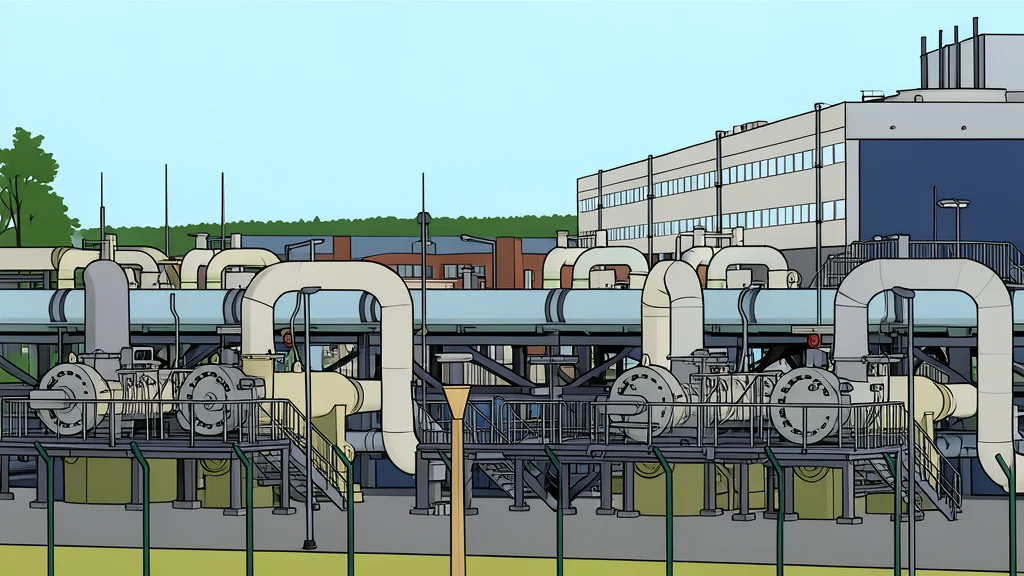
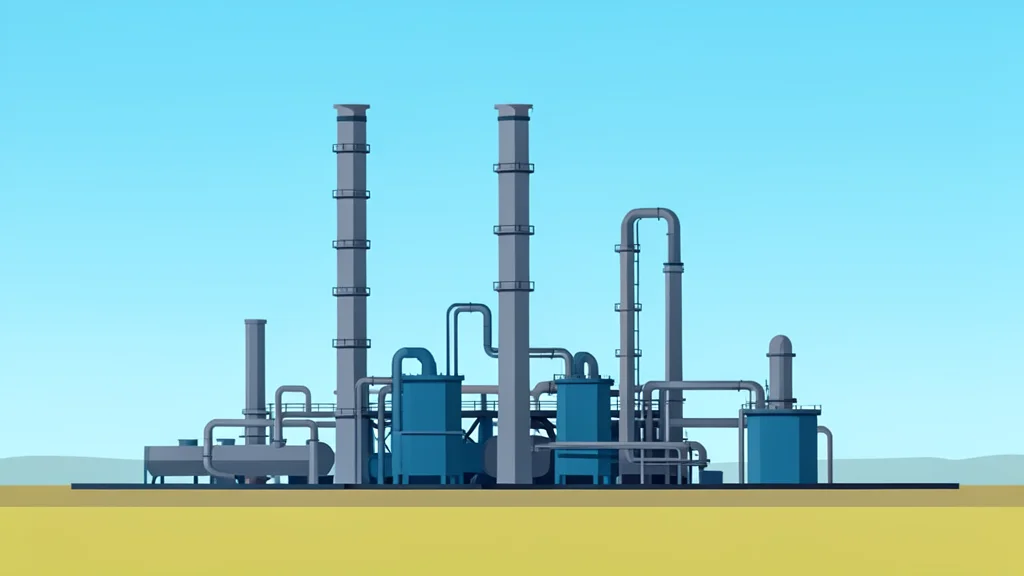
Archer Daniels Midland (ADM) has secured a partnership with Google and Broadwing Energy to construct a natural gas power plant in Decatur, Illinois. The facility will integrate carbon capture and sequestration (CCS) technology to generate electricity for the regional grid while meeting Google’s net-zero supply chain targets for 2030. This first-of-its-kind agreement positions ADM to supply energy-intensive data centers in the Midwest while capturing CO2 emissions for underground storage.
The expansion aims to more than quadruple the current sequestration rate in Decatur, increasing annual CO2 injection to up to 2 million tons. This capacity boost is central to the deal’s dual purpose of grid support and emissions reduction. However, the project faces significant opposition from local communities, particularly the grassroots group Illinois People’s Action, which argues that ADM’s history of undisclosed well leaks undermines the safety and transparency required for such a large-scale industrial operation.
Local Opposition Cites Safety Violations
Residents within the EPA-mandated Area of Review have raised alarms over ADM’s track record. In 2024, leaks at the company’s CO2 monitoring wells were revealed, leading to violations of the Safe Drinking Water Act. The first leak was detected months before public reporting, and a second malfunction was identified in September 2024, showing unexpected fluid movement 5,000 feet below ground. Activists, including 88-year-old Verlyn Rosenberger, argue that ADM failed to disclose these malfunctions promptly, breeding distrust that now fuels resistance to the new expansion.
The community’s concern is rooted in the potential impact on local drinking water sources. Rosenberger and other members of Illinois People’s Action describe themselves as unwilling to serve as test subjects for unproven large-scale sequestration. They demand total transparency and cite the previous lack of public notification as a critical failure. The group contends that the proposed five new wells, which would significantly increase injection volumes, pose an unacceptable risk to the community’s health and environmental integrity.
Strategic Energy And Emissions Goals
For ADM, the partnership represents a strategic pivot toward high-demand energy markets. By coupling natural gas generation with CCS, the company addresses the power shortage driving data center growth in the region. Google’s involvement validates the technology’s role in corporate sustainability, allowing the tech giant to claim zero-carbon energy usage while relying on fossil fuel generation. The deal leverages the ideal geology of Central Illinois for deep underground carbon storage, transforming the facility from an agricultural byproduct handler into a major energy infrastructure node.
The project’s scale is substantial, with the new wells designed to handle a massive increase in CO2 volume. This expansion is not merely an incremental upgrade but a structural change in the local energy landscape. The integration of Broadwing Energy’s infrastructure with ADM’s existing site creates a combined output capable of serving industrial loads. The financial and operational stakes are high, as the success of this model could influence similar CCS projects across the Midwest, where geologic conditions favor large-scale carbon injection.
Regulatory And Community Tensions
The tension between corporate expansion and local autonomy is at the core of the dispute. ADM’s failure to meet disclosure obligations in 2024 has become a focal point for critics who view the company as prioritizing speed over safety. The EPA’s Area of Review now encompasses a larger footprint, including land where new permits are under consideration. Residents argue that the regulatory framework did not adequately account for the community’s right to informed consent, leading to a breakdown in trust that the new partnership may not be able to repair.
As ADM moves forward with the Google and Broadwing partnership, the company must navigate a hostile local environment. The narrative surrounding the project is no longer just about climate technology but about accountability and industrial responsibility. The outcome will likely depend on whether ADM can demonstrate robust safety measures and transparent communication to the residents of Decatur. For now, the community remains skeptical, viewing the new gas plant as a potential threat rather than a solution, and continues to organize against the expansion plans.