EU Gas Storage Hits Record Low Amid LNG Supply Disruption

European gas inventories sit at a historic seasonal low, exposing the region to winter price volatility as Middle Eastern export routes remain restricted.
European Union natural gas storage levels have dropped to approximately 67 percent, marking the lowest figure recorded for this stage of the year. This inventory deficit places the continent in a vulnerable position ahead of the 2026-27 winter heating season, significantly reducing the buffer available to manage peak demand. The situation reflects a structural shift in supply chains, with Europe increasingly reliant on flexible liquefied natural gas cargoes to replace former pipeline imports.
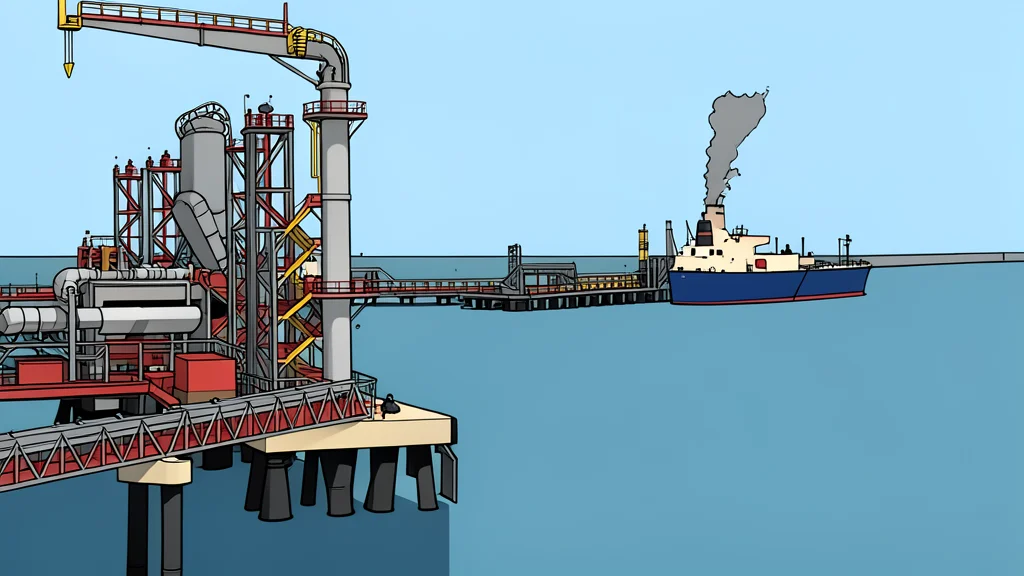
The core driver of this scarcity is the disruption to liquefied natural gas exports through the Strait of Hormuz. According to data highlighted in the report by GN auto stocks/energy-stocks: natural gas demand, shipping restrictions have sharply curtailed volumes from major suppliers Qatar and the United Arab Emirates. Shell estimates that roughly 36 million tonnes of global supply have been lost this year, removing a critical segment of Middle Eastern gas from the spot market and tightening availability for European buyers.
Qatar Export Volumes Collapse
The impact on individual suppliers is stark. Qatar, which previously accounted for nearly one-fifth of global LNG trade, saw its monthly throughput through the Strait plummet to approximately 70,000 tonnes in August. This figure represents roughly one single cargo vessel, a dramatic decline from the pre-conflict average of 6.51 million tonnes per month. The near-total halt in these shipments has eliminated a reliable source of supply, forcing the global market to absorb the loss through higher prices and increased competition for remaining cargoes.
Price Volatility And Demand Shifts
Market dynamics have shifted as European importers compete for scarce resources. While high spot prices have suppressed demand in Asia, redirecting some US cargoes to European terminals, the cost of securing supply has risen sharply. Asian spot LNG prices reached approximately $26 per million British thermal units in early September, nearly double the $10.40 level seen before the recent regional conflict. European imports are projected to rise from 7.98 million tonnes in September to over 10.5 million tonnes in October and November, indicating a heavy reliance on this redirected flow.
Regulatory Targets Face Pressure
The current storage levels create tension with EU regulatory frameworks designed to ensure energy security. Member states are formally required to reach a 90 percent filling target between October 1 and December 1. Although the legislation allows for a deviation of up to 10 percentage points under difficult market conditions, the current 67 percent level leaves little room for error. A colder-than-normal winter in both Europe and Asia could revive intense competition for US supplies, potentially straining these regulatory targets and further elevating costs for industrial and residential users.