Hormuz Attack and Pipeline Closure Rattle Oil Markets
Oil supply risks escalated sharply after a reported projectile hit a vessel in the Strait of Hormuz, coinciding with the temporary closure of Saudi Arabia's critical East-West pipeline following a drone strike.
Global energy supply chains face immediate pressure as maritime trackers reported a projectile striking a vessel in the Strait of Hormuz on September 13. The incident occurred one day after Saudi Arabia suspended operations on its East-West pipeline, a precautionary measure following a drone attack attributed to Iraq-based militias. This dual disruption threatens to tighten global oil availability during a period of heightened geopolitical tension.
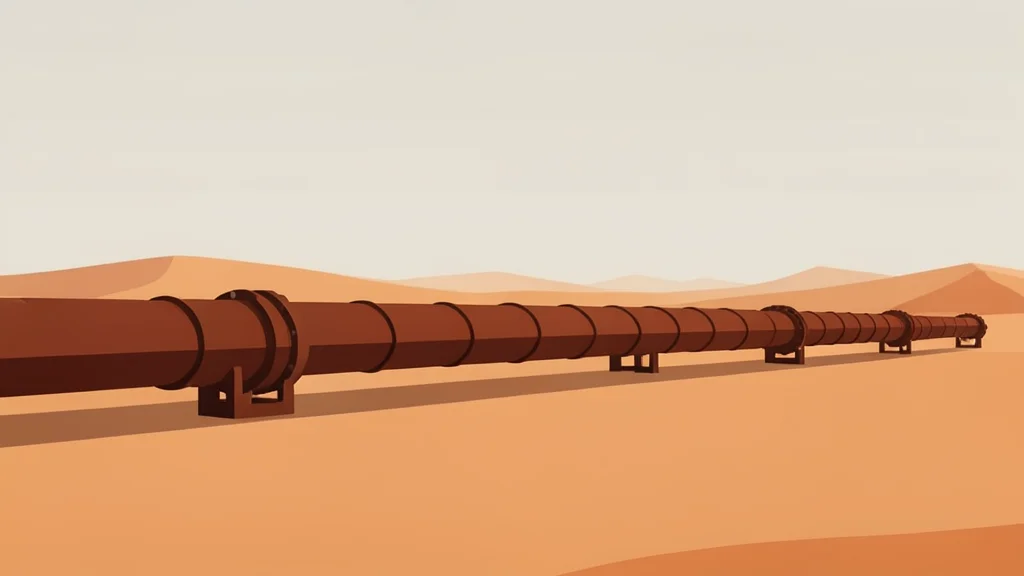
The East-West pipeline, spanning 1,200 kilometers across the Arabian Peninsula, has served as the primary export route for Middle Eastern oil over the past six months. It transports between 4 million and 5 million barrels per day, representing 4 to 5 percent of global supply. This capacity has been essential for maintaining Saudi Arabia's export volumes while other Gulf exporters faced disruptions in the Strait of Hormuz. The suspension of this line removes a significant portion of the region's reliable supply capacity.
Pipeline Suspension Reduces Export Capacity
Satellite imagery confirmed black smoke rising from the pipeline area south of Medina, indicating physical damage to the infrastructure. The Saudi foreign ministry stated that the attack resulted in injuries and damage that is currently under assessment, though it did not specify the immediate impact on export volumes. The closure forces a reallocation of logistics, as the pipeline had been the main bypass for shipments while the Strait of Hormuz remained largely inaccessible due to war-related threats.
The vulnerability of this specific asset is compounded by the lack of a clear claim of responsibility for the strike. With the pipeline offline, the market loses a stable, overland route that had insulated Saudi producers from the maritime volatility affecting the Gulf. This loss of capacity increases the dependence on alternative shipping lanes that are currently under active threat from Iran-aligned groups.
Houthi Advances Threaten Red Sea Routes
Simultaneously, the Houthi movement in Yemen has expanded its control, seizing the strategic island of Perim in the Bab el-Mandeb Strait. This move gives the group leverage over the Red Sea corridor, which is a critical artery for global energy shipments. The Houthi advance, combined with the pipeline closure, creates a chokepoint scenario that could further restrict the flow of crude oil and refined products.
Saudi Arabia reported that a Houthi projectile injured two people in the Jazan region and damaged local infrastructure, including a mosque. The group claimed responsibility for 129 airstrikes over a 48-hour period, signaling an intensification of its campaign. This escalation puts direct pressure on the security of the remaining export routes, forcing producers to weigh the risks of maritime transport against the loss of overland capacity.
Diplomatic Stalemate Fuels Price Volatility
Brent crude prices surged back above $100 per barrel, and US diesel retail prices exceeded the record threshold of $6 per gallon. This price action reflects the market's reaction to the simultaneous threats to both the Strait of Hormuz and the Red Sea. The US administration faces a strategic dilemma, as Saudi Arabia has requested military assistance to combat the Houthis, but Washington has indicated it will not intervene directly at this stage.
Sources indicate that US President Donald Trump told Saudi Crown Prince Mohammed bin Salman that the US would provide intelligence support rather than direct military action. This restrained response leaves the supply chain exposed to continued disruptions from Houthi operations and Iranian-backed militias. The absence of a diplomatic breakthrough, with talks between the US and Iran stalled since June, means that physical threats to infrastructure remain the primary driver of supply risk and price volatility.