Israel Targets Nuclear Energy to Power AI Expansion
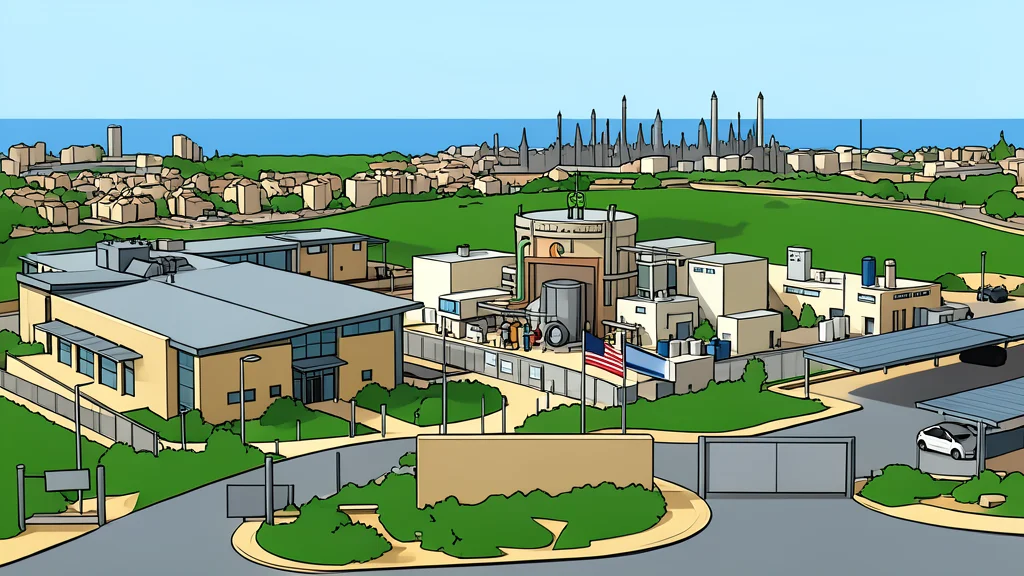
Investor Ezra Gardner argues that small modular reactors are the only viable path for Israel to host hyperscale data centers and compete with global tech giants.
Ezra Gardner, founder of Varana Capital, asserts that Israel must adopt small modular nuclear reactors to support its ambitious data center expansion. He argues that the country’s current power grid infrastructure is insufficient to handle the energy demands of hyperscale facilities, which can exceed 500 megawatts. Without this transition, Gardner contends, Israel cannot realize its potential as a global leader in artificial intelligence and semiconductor processing.
The investment thesis rests on a specific gap in the energy market. While Israel currently operates small data centers consuming 20 to 30 megawatts, competitors in the United States are building campuses that rival the total electricity consumption of Tel Aviv. Gardner identifies small modular reactors as the sole solution that offers the high energy density required for these facilities without relying on the existing, capacity-constrained national grid.
Varana Capital backs nuclear infrastructure
Gardner’s position is backed by direct financial exposure to the nuclear sector. Through Varana Capital, he was an early investor in Terrestrial Energy, a Canadian small modular reactor developer. That company recently merged with a publicly traded U.S. firm and signed an agreement with the U.S. Department of Energy for Project TETRA, which includes a 380-megawatt nuclear power plant. This investment aligns his portfolio with the specific technology he advocates for in Israel.
The investor has also utilized special purpose acquisition companies to bring other Israeli firms to public markets. He founded Gesher I Acquisition Corp, which merged with freight startup Freightos, and is currently operating Gesher II Acquisition Corp in search of a new target. His involvement in the Chai Fund, which raised $50 million for emergency investments during the recent conflict, further illustrates his focus on stabilizing and expanding Israel’s economic foundations.
SMR technology offers grid independence
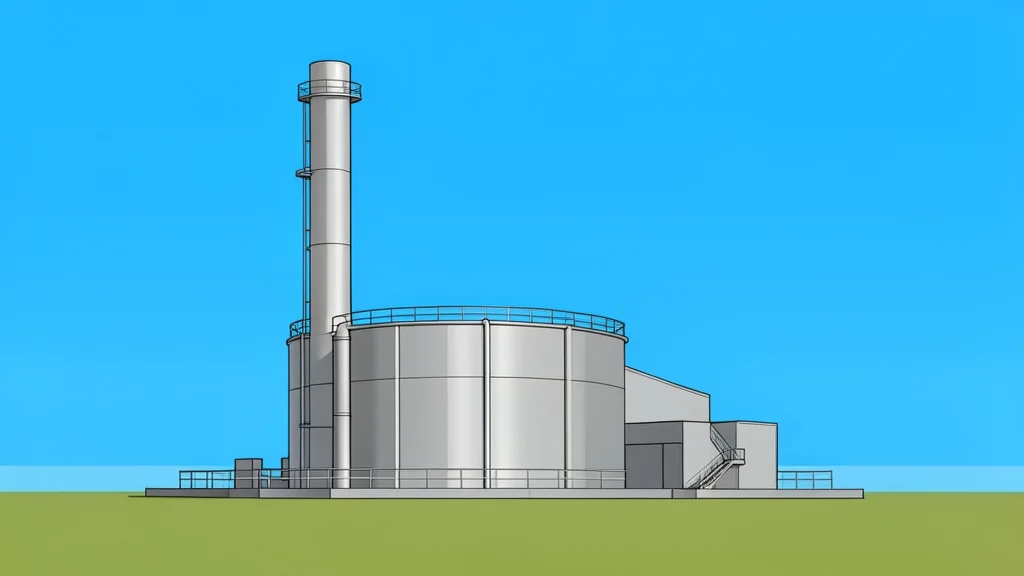
Small modular reactors are distinct from traditional nuclear facilities because they generate lower power outputs, typically a quarter to a third of conventional reactors, but with enhanced safety features. They utilize lower-enriched fuel and incorporate multiple protective layers to prevent leaks. Crucially for data center operators, these units can be connected directly to the facility they serve, bypassing the volatility and capacity limits of the broader electrical grid.
The technology is also carbon-neutral during operation, addressing the environmental concerns associated with high-energy computing. With several dozen companies globally developing this technology, the first operational reactors are expected within the next one to two years. This timeline suggests that the infrastructure needed to support Israel’s tech sector could become available before the next major wave of AI data center construction is fully underway.
Strategic position for AI dominance
Israel possesses several structural advantages that Gardner believes make it a prime candidate for this shift. The country has strong international connectivity, a developed technology ecosystem, and a leading semiconductor industry. Major global players, including Nvidia, Google, Microsoft, and Amazon, already maintain significant operations in the region. This existing infrastructure provides a ready-made base for the expansion that nuclear power would enable.
The argument is that the only barrier to becoming a global AI hub is electricity supply. By decoupling power generation from the national grid through on-site nuclear units, Israel could scale its data center capacity to match the gigawatt-level projects announced in the United States. Gardner views this not just as an energy strategy, but as a necessary economic and security measure for the next century.
The source, GN auto stocks/utilities: power plant, highlights the growing interest in this sector among investors who see a direct correlation between energy independence and technological leadership. The focus is on the commercial viability of small modular reactors as a specific business case for Israeli infrastructure, rather than a broader political discussion. The investment community is watching closely as the first operational units come online, expecting this to validate the model for wider adoption in strategic locations worldwide.