Iraq Dismisses Officials After Saudi Pipeline Attack
Iraqi authorities dismissed two senior security officials and closed border crossings following drone strikes on a critical Saudi oil export route.
Iraq’s government accelerated containment efforts on Saturday after local Iran-backed militias were accused of attacking and shutting down a key Saudi oil pipeline. Although the militia umbrella group denied direct involvement, Baghdad confirmed the strikes originated from its territory and pledged to investigate the incident thoroughly.
The Iraqi government dismissed the commander of Maysan province and the provincial police chief as immediate administrative measures. These actions align with a broader deadline set for September 30, requiring nonstate groups to disarm, a demand rejected by several powerful militias amid escalating regional tensions.
Strategic Pipeline Shutdown Impacts Exports
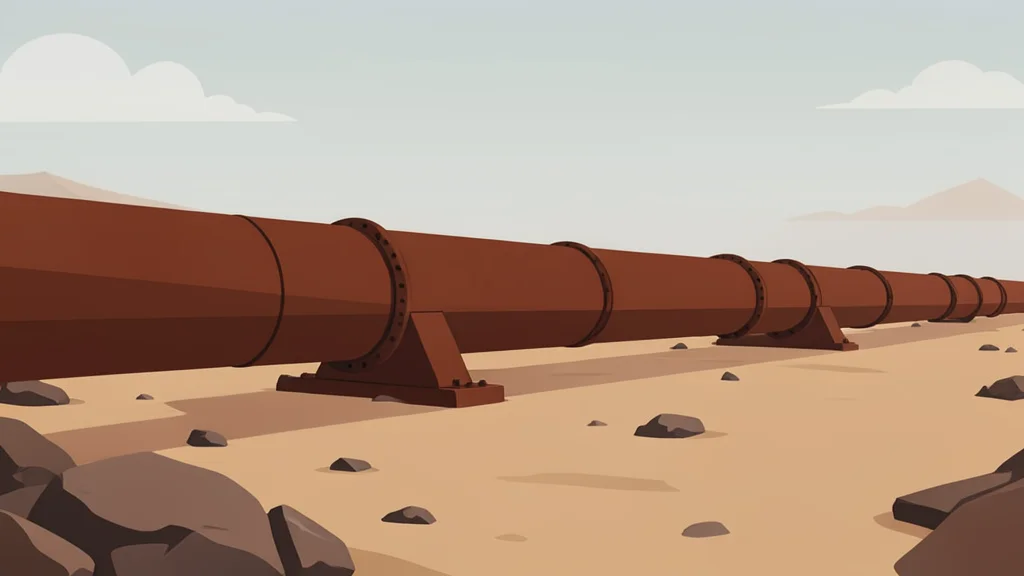
Saudi Arabia halted operations on the East-West pipeline on Friday, citing a precautionary measure after drone attacks. This infrastructure, built in the 1980s, has become vital for Saudi exports since the Iran war disrupted shipping in the Strait of Hormuz. By early June, the kingdom had more than doubled oil exports from the Red Sea port to over 5 million barrels per day, according to the International Energy Agency.
The closure threatens to exacerbate global supply constraints. With the Bab el-Mandeb Strait under virtual Houthi control, the East-West pipeline serves as a primary alternative route. Any prolonged disruption risks further inflating oil prices, which have already risen due to the six-month conflict between Iran and the United States.
Regional Diplomatic Pressure Intensifies
Several Arab nations, including Kuwait, the UAE, Oman, and Egypt, condemned the attack on Saturday. In response, Iraq closed two key border crossings with Iran, a move potentially linked to the ongoing investigation. The Houthi rebels simultaneously seized an island in the Bab el-Mandeb Strait, a lane handling 12 percent of global trade, marking a significant setback for the Saudi-backed coalition.
U.S. President Donald Trump suggested Iran was likely responsible for the pipeline strike while asserting that Houthi representatives have expressed a preference to avoid direct conflict with American forces. The administration indicated it has engaged in discussions with the group, though specific details regarding the timing and content of these talks remain undisclosed by the White House.
Security Measures Tighten Along Border
Iraqi Prime Minister Ali al-Zaidi ordered an investigation into the operations command of Maysan province, which sits along the Iranian border. The dismissal of senior security figures signals a hardening stance against militia activities that threaten regional stability. The government aims to prevent local groups from aiding other proxy forces, a challenge complicated by the militias' refusal to comply with disarmament orders.
The situation underscores the fragility of energy infrastructure in the region. As the Houthi advance continues across Yemen’s west coast, the risk of further escalation grows. The closure of the pipeline and the border crossings represent an immediate attempt to isolate the source of the attacks while diplomatic channels remain active but uncertain.