Wyoming Bets on Gas to Power AI Data Center Boom
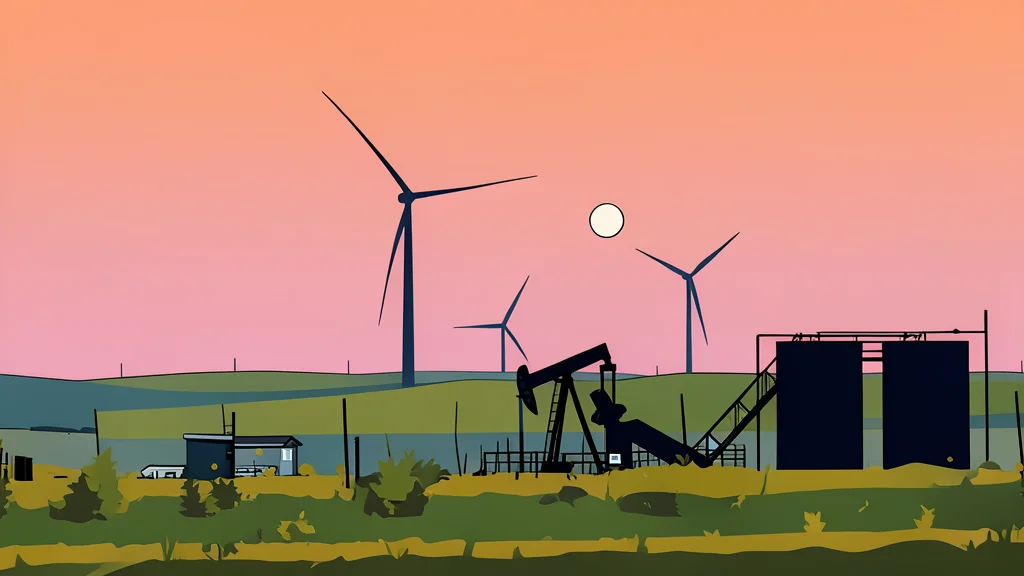
Wyoming is pivoting toward natural gas to meet surging electricity demand from AI data centers, with proposed projects totaling 8,700 megawatts.
Wyoming is shifting its energy strategy toward natural gas to address a sharp rise in electrical demand driven by artificial intelligence data centers. The state, historically reliant on coal, is seeing a surge in proposals for new gas-fired power plants designed to serve both the grid and dedicated industrial loads. This transition represents a significant structural change in the state's power mix, moving away from the legacy coal infrastructure that defined its energy sector for decades.
The shift is quantifiable: approximately seven natural gas power generation projects are currently in various stages of development, collectively aiming to add 8,700 megawatts of new capacity. This proposed addition would account for 74% of Wyoming’s total maximum existing electrical generation capacity, which stands at roughly 11,800 megawatts across all sources including coal, wind, hydro, and solar. The scale of these investments underscores the magnitude of the demand spike associated with high-performance computing facilities.
Rolling Cedar targets grid reliability
Rolling Cedar LLC, a partnership between 8 Rivers and Kindle Energy, is leading this charge with a proposed 430-megawatt natural gas plant. Unlike many competitors focused on direct load serving, Rolling Cedar intends to provide grid-connected power. Its operational model involves intermittent generation to backfill the electrical grid when renewable sources like wind and solar are insufficient. This dispatchable capacity is positioned as a critical component for maintaining stability in a grid increasingly dominated by variable renewable energy.
The company explicitly links its investment to the need for a resilient power grid capable of withstanding Wyoming’s harsh environmental conditions. By offering firm power generation, Rolling Cedar aims to address the intermittency challenges associated with renewable energy sources. This approach contrasts with the broader trend of off-grid solutions, positioning gas as a stabilizing anchor rather than just a substitute for coal in base-load applications.
Data centers drive third-party generation
A significant portion of the new gas capacity is being developed specifically for off-grid use to power AI computing facilities. For instance, Prometheus Hyperscale has requested 2,500 megawatts for a campus in Natrona County, with additional projects planned in Uinta County. These dedicated loads are fueling a multi-stakeholder push to allow third-party electrical generation in Wyoming, a regulatory shift that enables large industrial customers to secure direct power supplies without relying solely on the public grid.
Wyoming Energy Authority Executive Director Rob Creager noted that interest in third-party power generation is growing largely due to these prospective large-load customers. While some demand remains projected, others require immediate new generation. The state’s status as a top-10 natural gas producer provides the resource base for this expansion, with officials arguing that increased gas utilization will generate additional investment, revenue, and jobs. This model effectively decouples industrial energy needs from the general grid, creating a parallel infrastructure for high-consumption sectors.
Legacy coal assets face conversion
The rise of gas-fired capacity is occurring alongside the gradual decline of Wyoming’s coal infrastructure. The Dave Johnston power plant, a 60-year-old symbol of the state’s coal-fueled might, is on track to convert two of its coal-fired units to natural gas. This transition follows earlier changes, such as the 2009 installation of wind turbines on reclaimed coal mine land nearby. The juxtaposition of aging coal stacks and new gas proposals illustrates the rapid evolution of the state’s energy landscape, where fossil fuels are being repurposed to meet modern, high-demand commercial needs rather than just residential consumption.