Jacobs Leads Regulatory Push for MESH Salt Cavern Storage
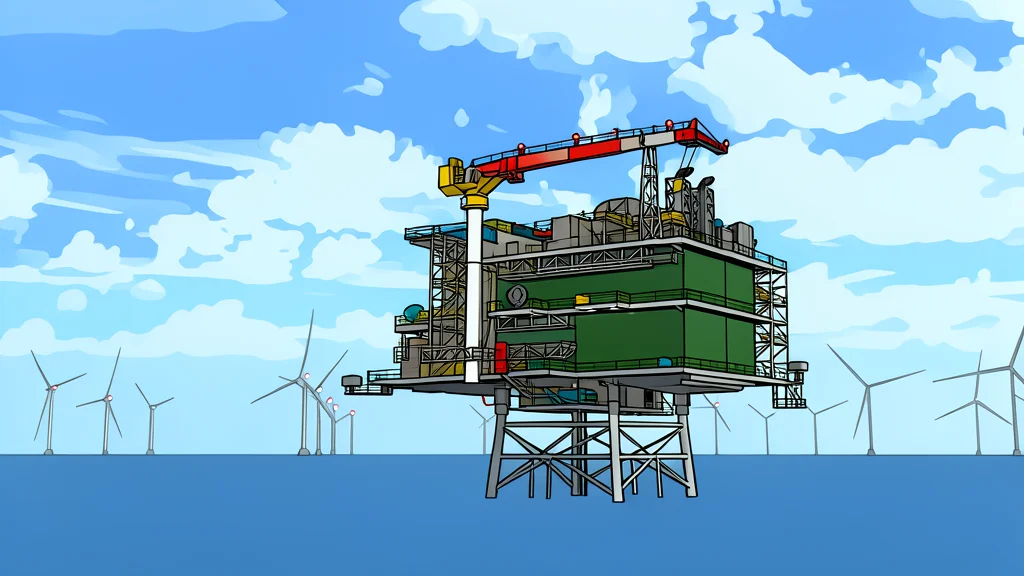
EnergyPathways appoints Jacobs to manage the complex consenting and regulatory strategy for the MESH project, a multi-technology energy storage development located beneath the East Irish Sea.
Jacobs has been appointed by EnergyPathways to lead the planning and regulatory work for the MESH Energy Storage Project. The development centers on purpose-built salt caverns beneath the East Irish Sea, connected to onshore infrastructure at Barrow-in-Furness. The project integrates compressed air energy storage with natural gas and hydrogen storage capabilities.
The initial phase of the MESH project is designed around four large offshore salt caverns, each with a volume of approximately 700,000 cubic meters. EnergyPathways targets a power capacity of 300MW and an energy storage capacity of 55.2GWh. This configuration is intended to provide more than seven days of sustained power output to the grid.
Compressed Air System Design
Surplus electricity from the UK grid and offshore wind farms will be used to compress air for storage within the underground caverns. When electricity demand rises, the compressed air is withdrawn, heated, and expanded through turbines to generate power. The offshore arrangement comprises three compression trains and two generation trains linked to the four storage caverns.
Expansion Potential for Hydrogen
EnergyPathways holds a gas storage licence in the East Irish Sea with the potential to accommodate up to 60 large-scale salt storage caverns. This capacity is designated for natural gas and hydrogen storage as the wider MESH development expands. The company aims to provide multi-terawatt-hour-scale integrated energy storage through this phased expansion.
The project strategy combines purpose-built salt cavern storage with gas storage in existing geological reservoirs, including the Marram gas field. An onshore sustainable industry park is planned at Barrow-in-Furness to house the CAES operations base and proposed low-carbon hydrogen and graphite production facilities. Existing pipeline infrastructure may be reused to connect offshore and onshore elements.
Regulatory Pathway and Timeline
Jacobs will manage the Development Consent Order strategy, including environmental planning and stakeholder engagement. The consultant will also support EnergyPathways’ submission to Ofgem’s Long Duration Electricity Storage Cap & Floor scheme and its grid connection application. The company targets operation of MESH by 2031, subject to securing necessary consents and financing.
Jacobs Executive Vice President Richard Sanderson stated that successful delivery depends on a consenting strategy that integrates environmental stewardship and robust regulatory planning. EnergyPathways CEO Ben Clube highlighted the value of Jacobs’ experience with complex engineering projects in northwest England. The source material, GN auto stocks/utilities: gas storage, notes the alignment of statutory consents with the overall project programme.