Uniper Sells 20% OPAL Stake to Hy24 for Hydrogen Transition
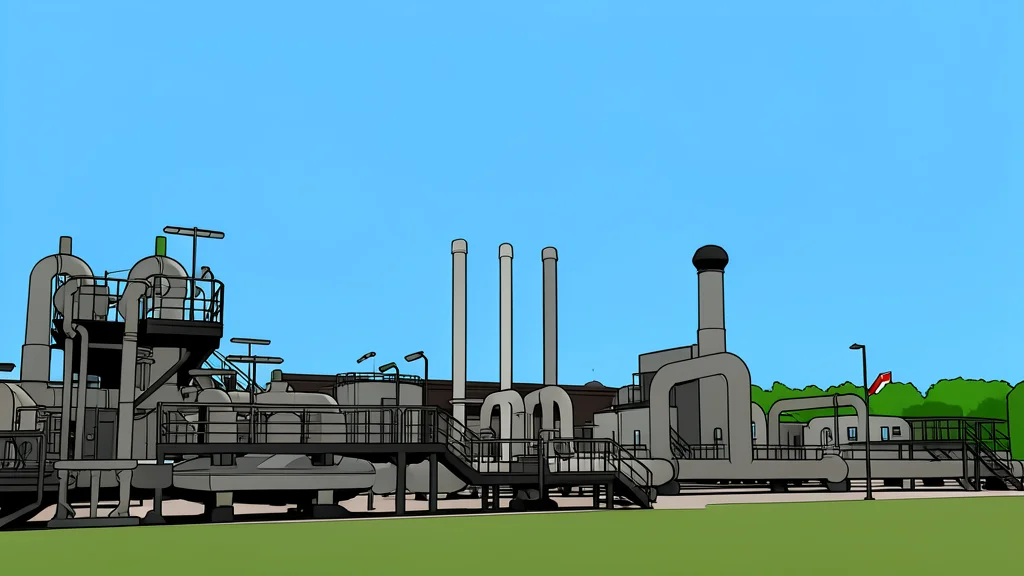
Uniper agrees to divest its 20% interest in the OPAL pipeline to Hy24, fulfilling EU state aid conditions while aligning the asset with Europe's emerging hydrogen infrastructure network.
Uniper has finalized an agreement to sell its 20% ownership stake in the OPAL gas pipeline to Hy24, a major investor in the global hydrogen economy. The transaction involves the transfer of all shares in Lubmin-Brandov Assets GmbH & Co. KG, the entity holding Uniper's co-ownership interest. This divestment is a mandatory structural remedy under European Union state aid rules, specifically addressing conditions attached to the company's stabilization package approved by the European Commission in December 2022.
By offloading this non-core asset, Uniper continues to concentrate its portfolio on activities aligned with its long-term strategic priorities. The buyer, Hy24, will acquire the interest through its Clean Hydrogen Infrastructure Fund, signaling a shift in the pipeline's strategic focus from conventional gas transmission to low-carbon fuel distribution. The remaining 80% stake will continue to be held by GASCADE Gastransport GmbH, which retains majority control of the infrastructure.
OPAL Pipeline Hydrogen Conversion Timeline
The OPAL corridor spans approximately 470 kilometers between Lubmin in Germany and Brandov in the Czech Republic. Its strategic value is increasing as Europe seeks to reduce dependence on fossil fuels. The pipeline has already initiated its transition toward hydrogen infrastructure, with the northern section completed for hydrogen use in mid-December 2025.
The southern section of the pipeline is expected to undergo conversion by the end of 2030. Once this transformation is complete, the corridor is projected to become a critical component of Germany’s hydrogen core network. This gradual shift in utility from natural gas to hydrogen will redefine the asset's role in the European energy landscape over the coming decade.
Market Impact on Gas Prices
According to analysis from GN auto stocks/utilities: gas pipeline, the immediate impact on European natural gas prices is expected to be negligible, as the transaction alters ownership rather than capacity or supply. However, the progressive conversion of OPAL to hydrogen will gradually reduce conventional gas transportation capacity along the corridor.
This reduction in gas throughput may tighten regional availability if alternative routes are insufficient, potentially providing modest upward support to natural gas prices in the long term. Higher gas costs could subsequently increase production expenses for gas-intensive chemical commodities such as ammonia, methanol, and urea, though expanded hydrogen infrastructure may eventually lower costs for low-carbon chemical production.
Regulatory Approvals Pending Closing
The completion of the transaction remains subject to necessary regulatory approvals and the non-exercise of a pre-emption right by the pipeline’s fractional co-owner. Until these conditions are met, the transfer of the 20% stake will not be finalized, leaving the current ownership structure in place while the hydrogen conversion plans proceed.