Naftogaz Signs Hungary Storage Deal to Secure Supply
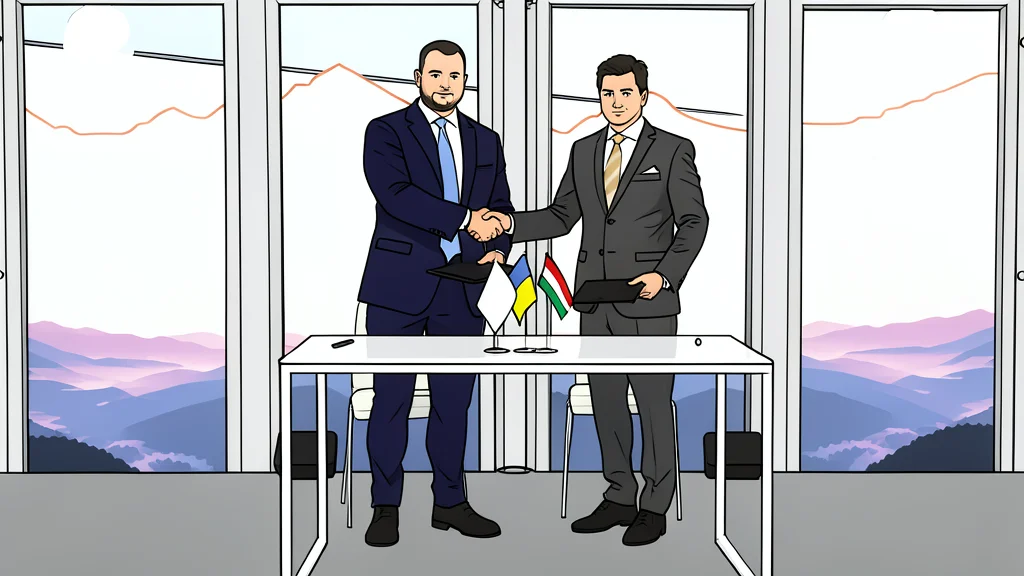
Naftogaz partnered with Mol to build oil storage near the Ukrainian border, diversifying routes away from Russian strike zones.
Key points
- Naftogaz signed a memorandum with Mol to build oil storage in Hungary to protect supply from Russian strikes.
- Facilities will be located near the Ukrainian border to serve Ukraine's energy needs and stabilize the market.
- The deal was signed at the Carpathian 8 Summit, reflecting improved political ties under Hungary's new government.
Naftogaz Group has formalized a strategic partnership with Hungarian energy firm Mol to construct oil product storage facilities in Hungary. Acting head Serhii Fedorenko announced the memorandum on September 20, framing the move as a critical measure to stabilize market supply amidst persistent Russian attacks on Ukraine's domestic fuel infrastructure.
The new storage sites are positioned to serve Ukraine’s energy needs while reinforcing cross-border infrastructure. By establishing capacity outside the primary zones of recent drone and missile strikes, Naftogaz aims to mitigate supply disruptions and ensure continuity for both Ukrainian and regional markets during the high-demand winter season.
Strategic diversification of supply routes
Fedorenko stated that creating additional storage capacity in areas less exposed to kinetic threats is essential for overall market stability. The memorandum specifically targets the construction of facilities near the Ukrainian border, designed to hold oil products that would otherwise be vulnerable to infrastructure damage within Ukraine. This geographic shift represents a tangible operational change for Naftogaz, moving critical assets to a jurisdiction that currently faces lower direct military risk.
Partnership signed at Carpathian summit
The agreement was reached during the inaugural Carpathian 8 Summit held in Ivano-Frankivsk Oblast. This forum, dedicated to economic cooperation among Carpathian region countries, provided the diplomatic backdrop for the Naftogaz-Mol deal. The signing underscores a shift toward multilateral economic engagement, allowing Naftogaz to leverage regional infrastructure to buffer its supply chain against external shocks.
Hungarian political shift enables cooperation
According to The Kyiv Independent, the deal coincides with a partial thaw in bilateral relations following the rise of Prime Minister Peter Magyar. While Magyar has ruled out military aid or accelerating Ukraine's EU accession, his administration has signaled a willingness to reset ties with Kyiv. This political environment facilitated the business agreement, allowing Naftogaz and Mol to pursue mutually beneficial infrastructure projects that were previously stalled under the previous Hungarian government.