Nuclear Fuel Scarcity Sets up Supply Chain Shifts
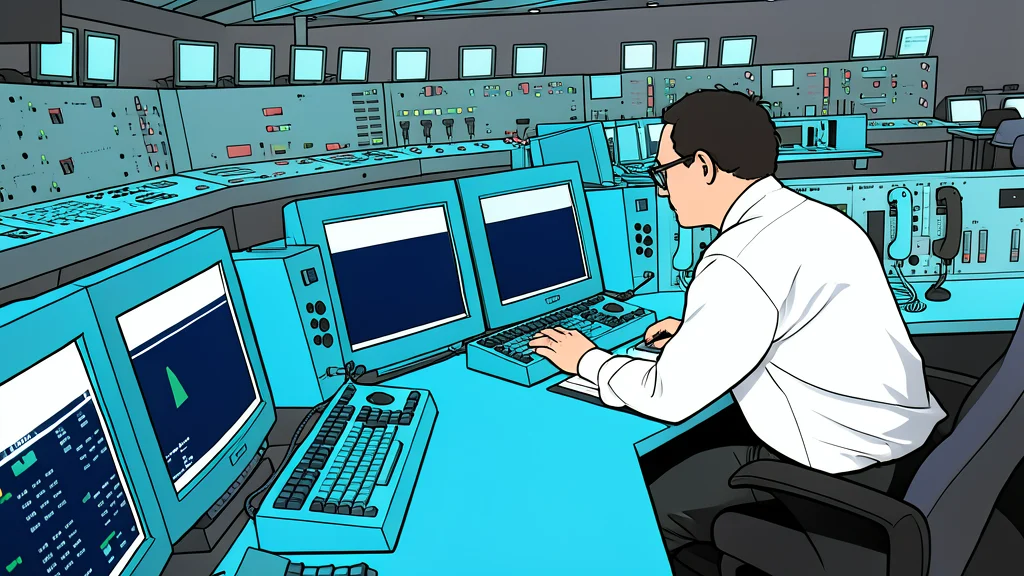
Rising global electricity demand is tightening uranium supply, prompting a reassessment of nuclear fuel providers and modular reactor developers.
Global electricity demand is accelerating, driven by industrial expansion and the energy-intensive requirements of artificial intelligence and electrified transportation. The International Atomic Energy Agency reports 417 operational nuclear reactors, with 77 under construction, indicating a structural shift toward baseload power. The United States anticipates a six-fold increase in power demand growth between 2025 and 2045, creating a persistent gap in reliable energy supply that renewable intermittency cannot fully bridge.
Market participants are adjusting valuations for companies positioned in the nuclear fuel cycle. Cameco, Brookfield Renewable, and NuScale Power represent distinct exposure points, ranging from upstream mining to downstream modular construction. The core investment thesis rests on the projection that uranium demand will exceed available supply in the early 2030s, a commodity imbalance that historically triggers significant price adjustments and margin expansion for producers.
Cameco Secures Fuel Supply Position
Cameco operates as a primary supplier of uranium fuel to Western nuclear utilities. The company’s Canadian headquarters provide a geopolitical stability premium, reducing regulatory and supply chain risks for major grid operators. As a commodity producer, Cameco’s revenue is directly leveraged to uranium spot prices, which are expected to rise as inventory buffers deplete and new reactor construction ramps up.
Beyond mining, Cameco holds a 50% stake in Westinghouse, a major provider of reactor services and technology. This division generates recurring fee-based income, diversifying the company’s earnings profile away from pure commodity volatility. The combined model offers a dual benefit: exposure to rising fuel prices and a stable service revenue stream that supports cash flow consistency during commodity price fluctuations.
Brookfield Renewable Diversifies Nuclear Exposure
Brookfield Renewable provides indirect nuclear exposure through its partnership in Westinghouse, alongside a broader portfolio of solar, wind, and hydroelectric assets. This structure appeals to investors seeking income stability rather than pure commodity leverage. The company’s distribution yield stands at 5.1%, with a decade-long annualized growth rate of approximately 5%, aligning with management’s stated capital allocation targets.
The nuclear component, while not the primary growth driver, offers optionality in a diversified clean energy framework. Brookfield’s global asset base mitigates single-project risk, allowing the firm to maintain payout ratios even if nuclear service revenues face temporary headwinds. This conservative profile contrasts with pure-play nuclear firms, providing a lower-volatility entry point into the sector for income-focused portfolios.
NuScale Power Pursues Modular Construction
NuScale Power is developing small modular reactors (SMRs) with approved regulatory designs. The company is currently scaling its manufacturing capabilities but has yet to secure a commercial sale, resulting in minimal revenue relative to its capital expenditure. This financial profile classifies NuScale as a high-risk, high-reward vehicle, dependent on successful deployment and utility adoption timelines.
The business model relies on standardized, factory-built units to reduce construction costs and timelines compared to traditional large-scale plants. Success hinges on achieving cost parity with other baseload options and securing long-term power purchase agreements. Until commercial revenue materializes, NuScale remains a speculative bet on the technical viability and market acceptance of modular nuclear technology.