Oil Tops $100 as Pipeline Closure Hits Energy Costs
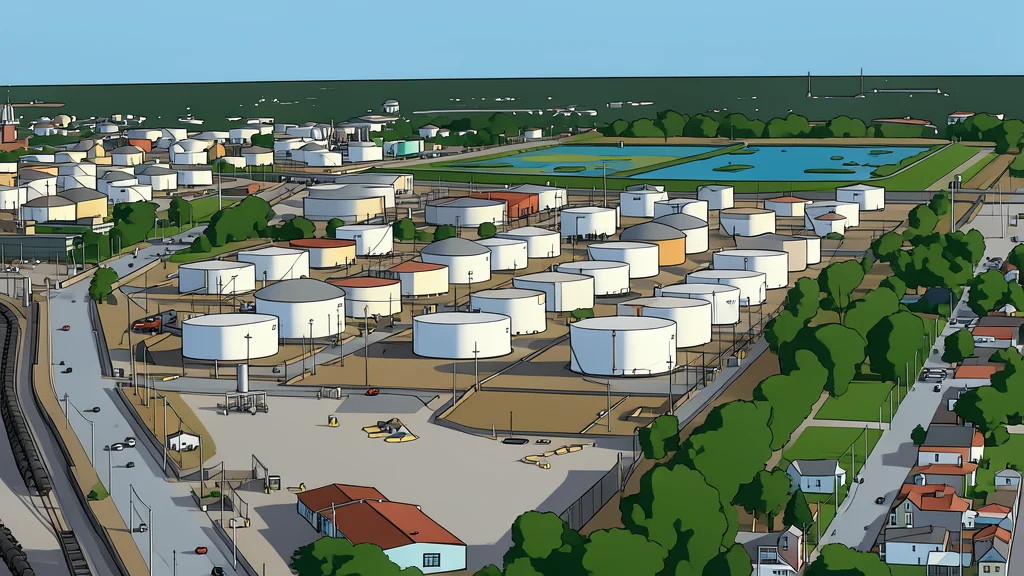
Crude prices surged past $100 a barrel after Saudi Arabia shut a key pipeline, driving diesel costs above $6 per gallon and intensifying inflation pressures ahead of a likely Federal Reserve rate hike.
Oil markets reacted sharply on Monday as Saudi Arabia closed its East-West pipeline following drone attacks by Yemen’s Houthi rebels. The disruption, coupled with a vessel strike in the Strait of Hormuz, pushed both main crude contracts up by more than three percent, keeping prices well above the $100 threshold. This supply shock directly impacts global logistics, as average US diesel prices crossed the $6 per gallon mark for the first time, creating immediate cost pressures for transport and agricultural companies.
The escalation in the Middle East has deepened inflationary concerns globally, complicating the monetary policy outlook. With energy costs remaining elevated since the start of the conflict in February, central banks face mounting pressure to tighten policy. The Federal Reserve is expected to raise rates this week, a move that further burdens debt-heavy sectors. Market participants are increasingly focused on how sustained high fuel prices will erode corporate margins and consumer spending, particularly in industries reliant on global shipping corridors.
Tech stocks face dual pressure
Equity markets experienced a synchronized selloff, with technology stocks leading the decline. The sector faced a double hit from rising borrowing costs and sudden sentiment shifts regarding artificial intelligence. SoftBank, a major tech investment firm, dropped more than 10 percent, while chipmakers Kioxia and Advantest fell over 6 and 2 percent respectively. South Korean giants SK hynix and Samsung, along with TSMC, also saw significant declines, reflecting broad risk aversion in capital-intensive tech sectors.
The sell-off was exacerbated by public calls for a slowdown in AI development. Anthropic CEO Dario Amodei urged industry peers to pace frontier research to better understand risks, specifically regarding recursive self-improvement. His stance was supported by leaders of OpenAI and xAI, suggesting a potential shift in industry strategy. This narrative, combined with the resignation of an Anthropic researcher over control concerns, triggered a reassessment of the sector’s long-term viability and accelerated investor exits from high-growth tech holdings.
Fed hike expectations solidify
The path for monetary policy is now heavily influenced by persistent inflation data. The Federal Reserve is widely expected to tighten policy this week, with the swaps market implying a 92 percent probability of a rate hike. Analysts note that a decision to hold rates would carry credibility risks, potentially triggering a sell-off in Treasury bonds. The European Central Bank’s recent rate increase underscores a global trend toward tighter financial conditions, which directly impacts the cost of capital for corporate borrowers.
Investors are bracing for the impact of higher nominal and real Treasury yields on equity valuations. As the Fed moves to combat inflation driven in part by energy shocks, debt-financed sectors face tighter liquidity. The combination of geopolitical supply risks and coordinated monetary tightening creates a challenging environment for growth stocks. Companies must now navigate higher operational costs from fuel and increased interest expenses, squeezing profitability across the board.
Geopolitical risks reshape trade routes
The security situation in the Red Sea and Gulf of Oman remains a critical variable for global trade. The Houthis have strengthened their control over the Bab Al-Mandab strait, a key alternative route to the Strait of Hormuz. Oman has postponed talks between Iran and Gulf states on the waterway’s future, highlighting the fragility of these vital shipping corridors. For companies dependent on seaborne oil and goods, the prolonged uncertainty in these regions adds a premium to logistics costs and supply chain reliability.
Market participants are closely monitoring the interplay between geopolitical events and central bank actions. The closure of the Saudi pipeline serves as a stark reminder of the physical vulnerabilities in global energy infrastructure. As traders price in the likelihood of sustained high oil prices, they are adjusting their positions in both energy and technology sectors. The current environment demands a cautious approach, with businesses preparing for higher input costs and a more restrictive financial landscape for the remainder of the year.