Saudi Aramco Seeks Rapid Repair of East-West Pipeline After Drone Damage
Saudi Aramco aims to restore half of its East-West pipeline capacity within days following drone damage, a critical step to maintain Red Sea exports amid ongoing Strait of Hormuz restrictions.
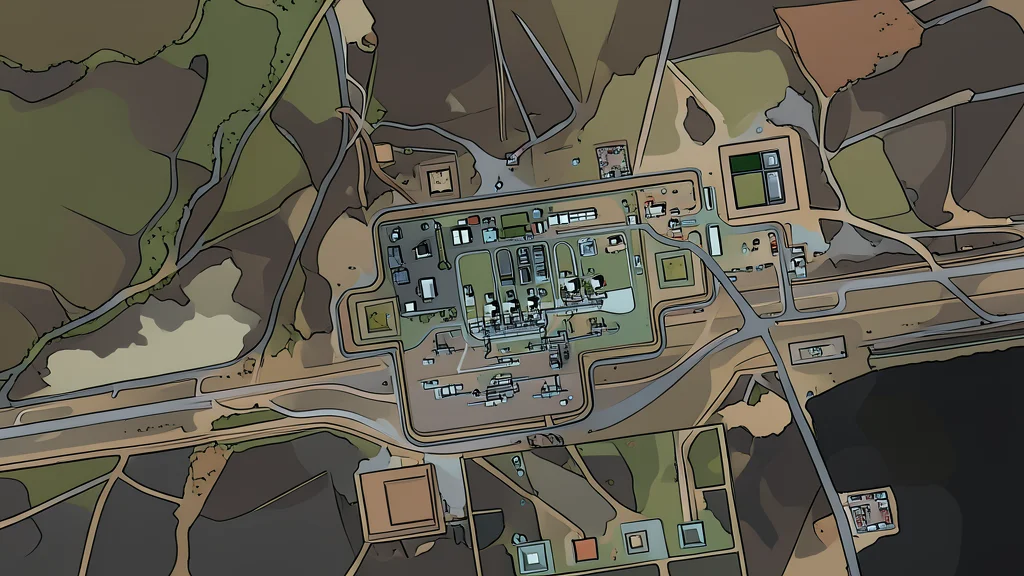
Saudi Aramco is moving to repair its East-West pipeline, which was disabled by drone attacks in mid-September. The company intends to restore the conduit to approximately 50% of its capacity within days and reach full operational status in about six weeks. This infrastructure serves as a vital bypass for the world’s largest crude exporter, allowing it to continue shipping oil via the Red Sea while the Strait of Hormuz remains restricted.
The closure has compounded supply constraints in a market already squeezed by the Hormuz impasse. While oil prices have pulled back from recent peaks, they remain near US$100 per barrel. The pipeline, which spans 1,200 kilometers from the Abqaiq processing complex to the Yanbu port, previously carried up to seven million barrels per day at peak demand, significantly higher than its pre-crisis flow of 2.8 million barrels per day.
Pipeline Capacity Serves as Critical Supply Buffer
Constructed in the 1980s during the Iran-Iraq war, the East-West pipeline was designed to protect Saudi exports from Persian Gulf disruptions. It traverses the Hijaz mountains, climbing from sea level at Abqaiq to over 1,000 meters elevation before reaching the western coast. Approximately two million barrels per day of the crude transported are consumed domestically by Red Sea refineries, with the remainder available for export.
During the peak of the Hormuz disruption, Saudi Arabia utilized this route to dispatch up to 4.7 million barrels per day from Yanbu. This volume represented roughly 5% of global oil supply and was instrumental in moderating price surges and shielding economies from inflationary shocks. The pipeline thus functioned as a lifeline, offsetting the pause in shipments from the Ras Tanura terminal, which had handled about 90% of the kingdom’s pre-war crude exports.
Inventory Constraints Limit Export Alternatives
With the pipeline offline, Saudi Arabia must rely on crude stored at Yanbu to maintain loading operations. However, these inventories are near historically low levels, limiting the duration of such a strategy. Aramco has already delayed deliveries to European buyers from its Red Sea port, signaling immediate pressure on available volumes.
Analysts from Energy Aspects note that depleting these tanks is unlikely, as Saudi Arabia will not completely empty its storage facilities. This constraint may lead to further delays and cancellations at Sidi Kerir, an Egyptian port where Saudi crude is shuttled via the Suez Canal for customer collection. The disruption highlights the interconnectedness of regional logistics and the vulnerability of supply chains to infrastructure damage.
Market Sensitivity to Infrastructure Reliability
The incident underscores the strategic importance of redundant export routes for major producers. As noted in reports from GN auto stocks/energy-stocks: pipeline capacity, the ability to shift flows between the Persian Gulf and the Red Sea is a key determinant of global supply stability. The rapid repair timeline indicates a priority to normalize flows and reduce premium pricing associated with scarcity.
While the threat of further attacks from Yemen’s Houthi rebels persists, the restoration of pipeline capacity offers a tangible path to stabilizing the market. The focus remains on physical delivery capabilities rather than speculative pricing, as the industry looks to secure long-term export volumes through diversified infrastructure.