Saudi Pipeline Closure Disrupts Global Oil Supply
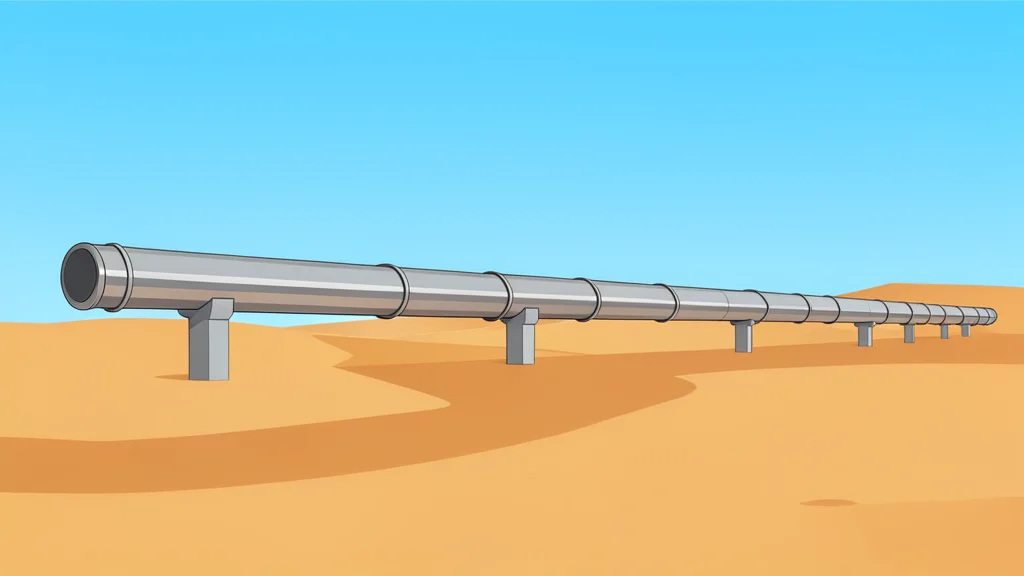
A precautionary shutdown of a major Saudi export route has removed four percent of global supply, pushing crude prices above $108 a barrel.
Crude oil prices have surged past $108 per barrel following the precautionary closure of Saudi Arabia's East-West pipeline. The shutdown, announced on September 11, halts the flow of approximately seven million barrels per day to the Red Sea. This single disruption accounts for roughly four percent of the total global oil supply, creating an immediate scarcity in the market.
The closure was triggered by drone attacks launched from Iraq that struck infrastructure near the pipeline. Satellite imagery obtained by Vantor confirms damage to structures in the vicinity. These actions have compounded existing geopolitical tensions, as the United States now faces a national average diesel price of $6.23 per gallon, marking a new high for the fuel.
Houthi Actions Blockade Key Shipping Routes
Simultaneous military activities by Houthi rebels have further constricted supply channels. The group has shut down the Bab el-Mandeb Strait and seized Perim Island to control traffic between the Arabian Peninsula and the Horn of Africa. On September 14, the Houthis targeted a military airbase in Khamis Mushait, claiming strikes on hangars and radar systems in retaliation for regional airstrikes.
These disruptions intersect with ongoing conflicts affecting the Strait of Hormuz. According to the U.S. Energy Information Administration, these two straits handled 25 million barrels of oil daily in the first half of 2025. Current flow through the Strait of Hormuz has slowed significantly to between six and nine million barrels per day, as reported by Reuters.
Traffic Data Reflects Supply Constraints
Vessel tracking data from Kpler indicates that traffic in the Bab el-Mandeb Strait reached a recent low on September 11. The reduction in maritime movement correlates directly with the increased military risk in the region. This physical limitation on transport capacity forces traders to bid up prices for remaining available barrels, regardless of geographic origin.
The convergence of the Saudi pipeline shutdown and the strait blockades creates a compounded supply shock. As the primary export bypass for Gulf oil is removed, the market relies on fewer, more vulnerable routes. The resulting scarcity is driving up global crude prices, with direct consequences for downstream fuel costs in the United States and other importing nations.
Market Impact Remains Elevated
The situation described by GN auto stocks/utilities: gas pipeline highlights the fragility of global energy logistics. With the East-West pipeline offline and the Bab el-Mandeb Strait restricted, the market faces a sustained reduction in available supply. The price increase to over $108 per barrel reflects this structural shortage rather than speculative demand. Until the infrastructure is secured and shipping lanes reopen, the pressure on global energy prices is likely to persist.