Saudi Pipeline Closure Tightens Global Oil Supply
The shutdown of Saudi Arabia's East-West pipeline removes 4% of global oil supply, pushing crude prices above $108 per barrel and disrupting major shipping lanes.
Crude oil prices have surged past $108 per barrel following the precautionary closure of Saudi Arabia’s East-West pipeline. The shutdown, announced on September 11, removes an estimated 7 million barrels per day from the market, a volume representing roughly 4% of global oil supply. This reduction in capacity directly impacts the global market, driving up prices for all consumers, including those in the United States where diesel averages have hit a new high of $6.23 per gallon.
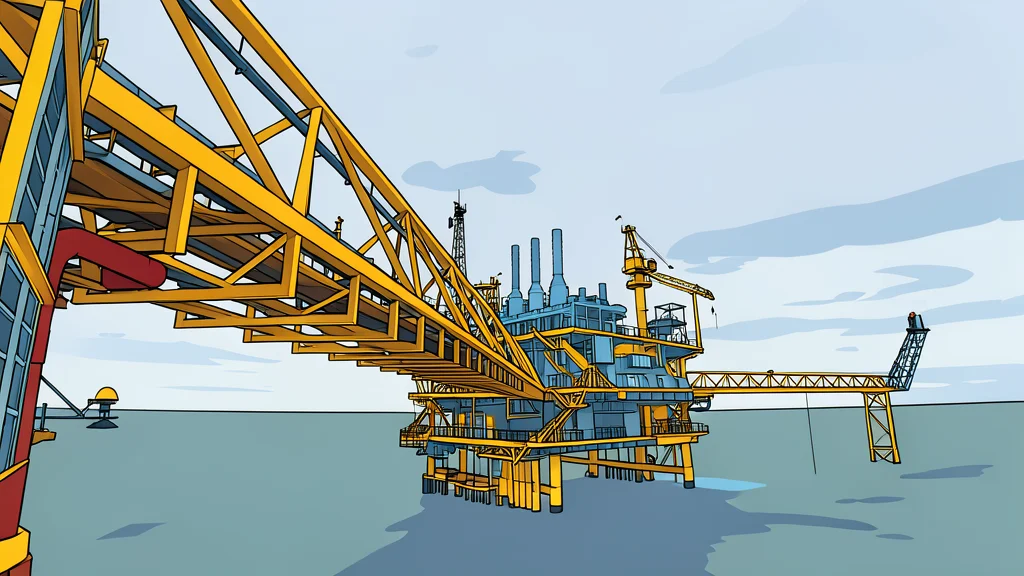
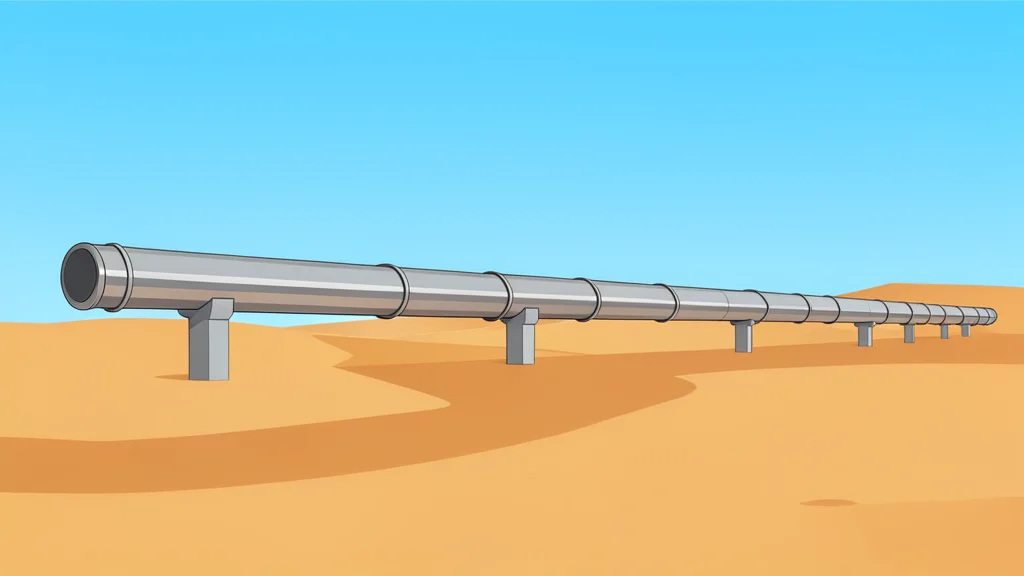
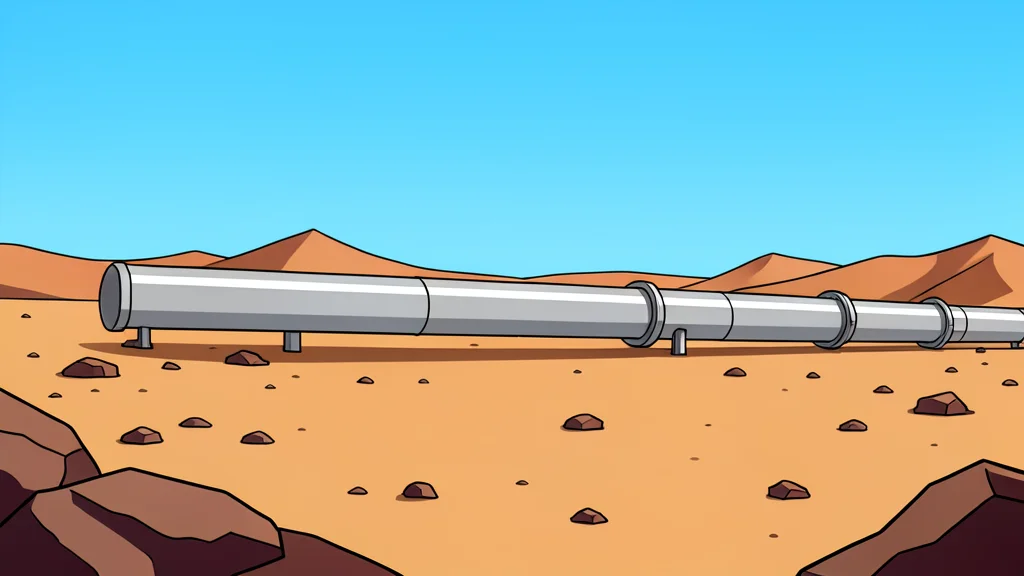
The pipeline, which spans 746 miles with two lines of 56 and 48 inches in diameter, serves as a critical bypass for Gulf exports to avoid the Strait of Hormuz. Saudi authorities confirmed the closure after drone attacks originating from Iraq struck structures near the facility. Satellite imagery from Vantor captured on September 11 confirmed damage to nearby infrastructure, validating the security threat that necessitated the immediate halt of operations.
Strait Disruptions Constrain Shipping Volumes
Simultaneous conflicts in the Bab el-Mandeb Strait and the Strait of Hormuz have further compressed available shipping capacity. Houthi rebels seized Perim Island on September 11, gaining control over the Bab el-Mandeb corridor. This move, combined with ongoing tensions in the Strait of Hormuz, has reduced flow rates to between 6 million and 9 million barrels per day, down significantly from the 25 million barrels per day recorded in the first half of 2025.
Vessel tracking data from Kpler shows traffic in the Bab el-Mandeb dipped to recent lows following these developments. The straits are essential for moving consumer goods and commodities between Asia, Europe, and the Middle East. The contraction in these routes increases shipping costs and delays, creating a compounded supply chain pressure that extends beyond fuel to broader economic activity.
Escalating Security Threats Drive Costs
Houthi forces launched dozens of missiles and drones at a military airbase in Khamis Mushait on September 14, targeting hangars and radar systems. These actions are part of a broader strategy to challenge regional stability and influence global energy flows. The group’s control of key chokepoints allows them to leverage geopolitical leverage, forcing a reallocation of global shipping resources and increasing insurance premiums for commercial vessels.
The convergence of pipeline damage and strait closures creates a bottleneck effect on global energy logistics. As supply chains tighten, the economic impact spreads to non-energy sectors, raising input costs for manufacturers and retailers. The current situation highlights the vulnerability of global energy markets to localized security incidents, with no immediate timeline for the restoration of full pipeline capacity or safe passage through the affected straits.