Saudi Pipeline Closure Pushes Brent Toward $108
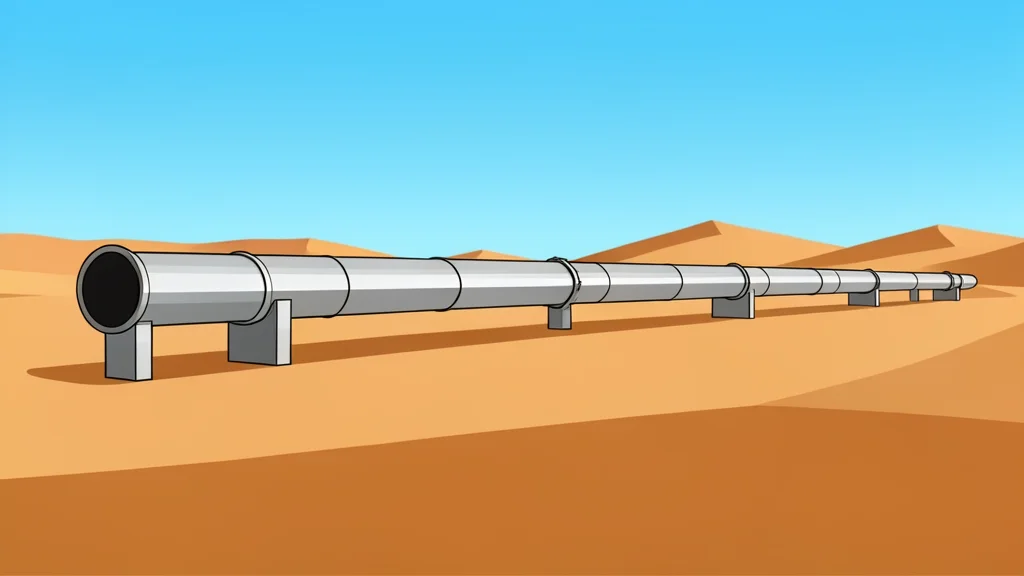
Brent crude surged 3.2% to $107.95 after Saudi Arabia suspended its East-West pipeline, removing a key bypass for Hormuz.
Brent crude rose 3.19 percent to $107.95 per barrel on Monday, nearing the $108 mark after Saudi Arabia suspended operations on its critical East-West oil pipeline. The move removed a primary route for exporting crude without transiting the Strait of Hormuz, immediately tightening global supply expectations and pushing West Texas Intermediate up 3.14 percent to $103.19.
The suspension follows multiple attacks in the Riyadh and Madinah regions on Thursday, which resulted in injuries. Saudi Arabia’s Energy Ministry cited these security incidents as the reason for the precautionary shutdown, though it provided no details on physical damage to the infrastructure or a timeline for resuming flow.
Pipeline capacity removes key Gulf export route
The East-West pipeline links production sites in the Eastern Province with the Red Sea port of Yanbu, offering a strategic alternative to the congested Strait of Hormuz. With a full pumping capacity of approximately seven million barrels per day, this infrastructure represents 30 to 40 percent of the total crude supply exiting the Gulf region.
By closing this route, Saudi Arabia, the largest producer in OPEC, has effectively narrowed the available export corridors for Gulf crude. This reduction in logistical flexibility exacerbates existing supply constraints caused by shipping disruptions in the strait, directly impacting global market liquidity and price discovery.
Market reaction signals supply crunch fears
Traders reacted sharply to the news, with Brent prices touching $110 intraday before settling near $108. The surge reflects a rapid repricing of risk, as the market adjusts to the loss of a major supply channel. Analysts note that the closure eliminates a key buffer against shipping chaos in the Strait of Hormuz, leaving fewer alternatives for moving oil to global buyers.
Uncertainty persists regarding timeline for repairs
Saudi Arabia has not specified when it plans to resume crude flow through the East-West pipeline. The lack of a defined schedule for reinstating operations adds a layer of duration risk to the supply disruption. Without a clear path to restoration, the market faces ongoing pressure to price in a prolonged reduction in available Gulf crude.