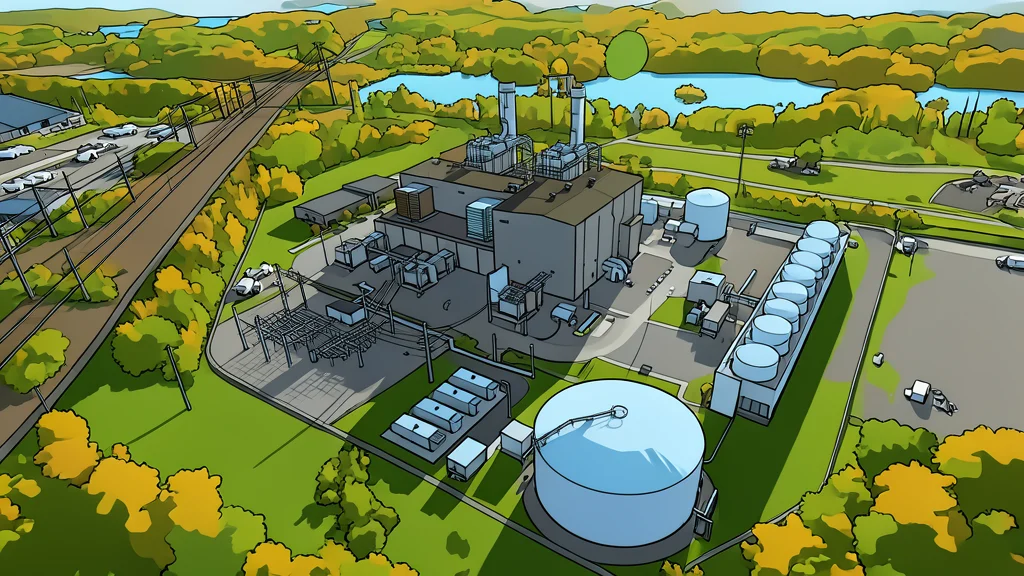
Saudi Pipeline Closure Threatens Global Oil Supply
Saudi Arabia has halted its East-West Pipeline after drone strikes, risking up to four percent of global oil supply and accelerating price spikes.
Saudi Arabia announced the immediate shutdown of its East-West Pipeline on Friday, citing drone attacks originating from Iraq that resulted in personnel injuries and infrastructure damage. No group has formally claimed responsibility, though US President Donald Trump attributed the strikes to Iran-backed proxies, a claim Iran’s foreign ministry categorically denied. The pipeline is the primary mechanism for diverting millions of barrels of Saudi crude away from the Strait of Hormuz to the Red Sea port of Yanbu, making its offline status a critical disruption to global energy logistics.
The closure exacerbates an already strained market environment, with Brent crude futures and WTI benchmarks both rising more than 3% to $108 and $103 per barrel, respectively. Capital Economics estimates that as much as 4% of the world’s oil supply could be taken offline due to the shutdown. The situation is compounded by recent Houthi captures of key Red Sea ports, which have further constrained shipping routes that previously served as alternatives to the Hormuz chokepoint. This dual threat to export infrastructure has intensified fears among traders regarding the sustainability of regional oil flows.
Pipeline Capacity and Market Resilience
The East-West Pipeline has served as the primary workaround for the ongoing conflict, pumping an average of roughly 6 million barrels per day, slightly below its 7 million-barrel capacity. This volume has been essential in maintaining market resilience despite the broader war conditions. The infrastructure serves a dual function: exporting raw crude and supplying Saudi west-coast refineries that produce diesel and other refined products. Analysts note that the refined products market is particularly sensitive to disruptions because it is smaller in scale and already facing supply constraints from Ukrainian attacks on Russian refineries.
Inventory Limits and Repair Timelines
Current inventories at the Yanbu terminal hold approximately 15 million barrels of crude. At average withdrawal rates, analysts estimate these tanks will empty within four to seven days if no repairs are completed. Richard Bronze of Energy Aspects suggests that Saudi Arabia may be able to resume partial flows while repairs are underway, but warns that a prolonged outage could transform a slow-burn crisis into a rapid conflagration. The uncertainty regarding the extent of the damage means the timeline for restoration remains unclear, with potential downtime lasting weeks.
Impact on Diesel Prices
The disruption has immediate implications for retail fuel costs in the United States. The average price of diesel recently topped $6 per gallon for the first time, according to AAA data. Andy Lipow of Lipow Oil Associates warns that a prolonged shutdown of the pipeline could push prices above $6.50 per gallon. This trend reflects the heightened sensitivity of traders to supply shocks in the refined products sector, where the combination of reduced Saudi exports and constrained Russian supply is tightening global availability.