Saudi Pipeline Strike Tests Regional Oil Export Resilience

A drone attack on Saudi Arabia's East-West pipeline highlights Tehran's strategy to constrain regional oil flows, impacting global supply dynamics and market pricing.
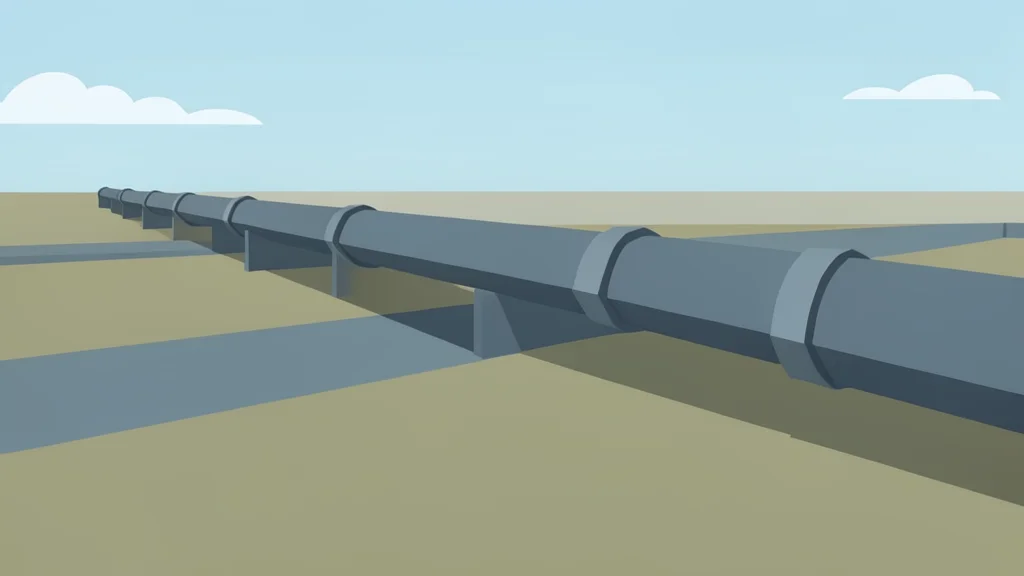
A drone strike that forced the closure of Saudi Arabia’s 745-mile East-West pipeline signals a coordinated effort by Iran and its proxies to control regional oil exports. The attack, which originated from Iraq, targets a critical infrastructure asset that allows Riyadh to bypass the Strait of Hormuz and ship crude via the Red Sea. This incident represents a direct escalation in the conflict between Tehran and U.S. interests, using energy infrastructure as leverage to pressure global markets.
Satellite imagery confirmed scorched earth and smoke near the pipeline, which transports approximately five percent of the world's oil supply. The Institute for the Study of War notes that the Houthis are operating in coordination with Iranian-backed Iraqi militias to enforce this blockade. By leveraging control over specific geographic zones in Iraq, these groups have enabled attacks on Saudi infrastructure, aiming to force Riyadh into meeting political demands while disrupting the flow of hydrocarbons to international buyers.
Infrastructure Vulnerability and Repair Costs
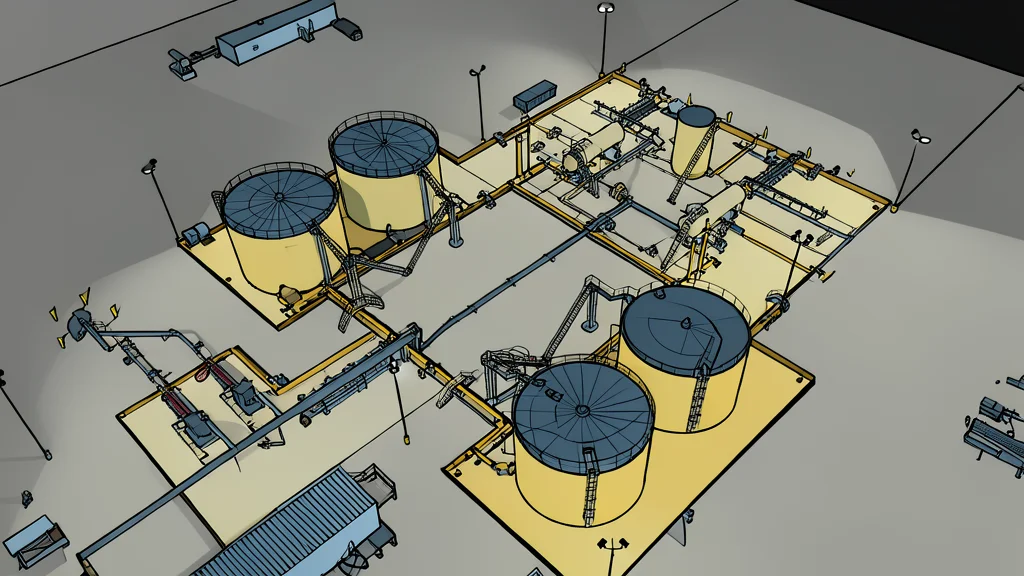
Energy analysts suggest that while the psychological impact of the strike is significant, the physical damage may be manageable. Thomas O’Donnell, an energy analyst based in Berlin, notes that pipelines are relatively easy to repair compared to other industrial assets. He points out that strategic targets such as pumping stations are harder to damage due to heavy protection, yet they offer less strategic value to attackers than the pipeline itself. The ability to quickly restore flow mitigates the long-term supply risk, even if the incident causes short-term volatility in trading volumes.
Market Impact and Price Dynamics
Brent crude prices have reached $105 per barrel, driven by what Oxford Economics describes as a geopolitical supply shock rather than a fundamental deterioration in oil inventories. Saudi crude exports have already declined from five million barrels per day in July to three million in August. The reduction in export capacity has forced production levels down to approximately six million barrels per day, as limited storage capacity and the risk of further attacks constrain operational flexibility. This shift in supply availability is directly influencing global pricing structures.
Future Supply Scenarios and OPEC Response
If disruptions through the Strait of Hormuz persist and alternative export routes remain underdeveloped, Brent crude could rise to $110 per barrel for the remainder of the year, according to Oxford Economics. However, there is currently no urgency among OPEC members to increase supply. O’Donnell observes that non-Saudi oil is coming online, and Riyadh is generating higher revenues from lower volumes. The strategic calculation for Saudi producers appears to prioritize maintaining high per-barrel margins over maximizing total volume, a stance that stabilizes their financial position despite the regional instability.