TC Energy Short Interest Surges Amid Strong 2026 Earnings and Dividend Growth
TC Energy faces a 231 percent spike in short selling despite double-digit EBITDA growth and a 25-year streak of dividend increases.
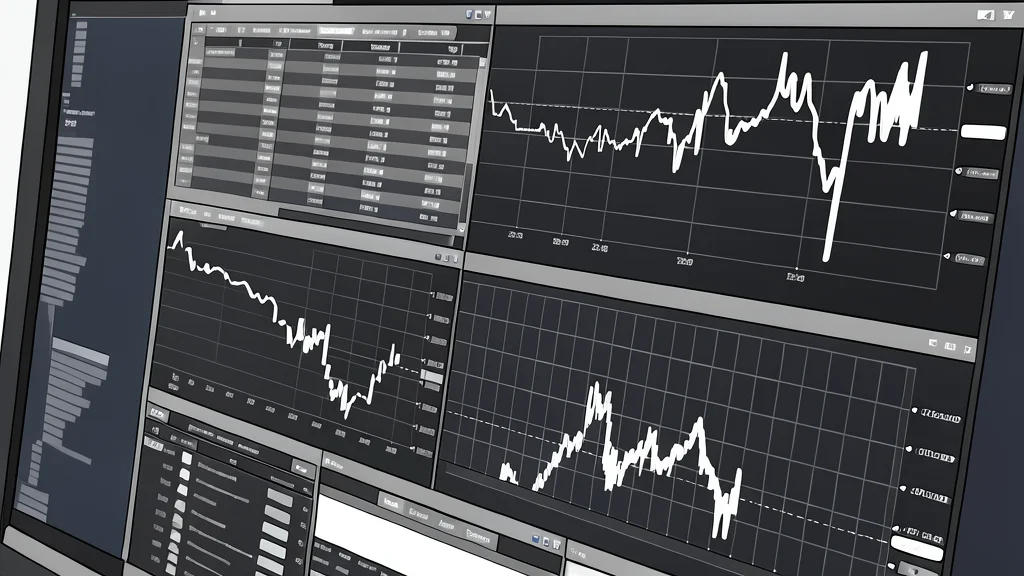
TC Energy (TRP) experienced a sharp increase in short selling activity on September 18, 2026, with short volume rising by 231 percent to 1,773,400 shares. This surge in bearish positioning occurred despite the Canadian pipeline operator reporting solid earnings growth and announcing a 3.4 percent dividend increase for the year. The divergence between short interest and fundamental performance highlights the tension between valuation expectations and operational stability in the energy sector.
According to data cited by GN auto stocks/energy-stocks: energy earnings, short trades accounted for 61.37 percent of total volume for the New York listed shares. This activity stands in contrast to the stock’s positioning as a reliable income generator, which recently traded around 85.53 Canadian dollars on the Toronto Stock Exchange. The share price sits approximately 15 percent below its 52-week high of 100.18 Canadian dollars, offering a dividend yield of about 4.1 percent based on an annual payout of 3.51 Canadian dollars per share.
Q2 EBITDA Growth Drives Upper-End Guidance
The operating performance supporting the long case shows clear momentum in 2026. TC Energy’s comparable EBITDA rose 12 percent year over year to 2.9 billion Canadian dollars in the second quarter. This performance prompted management to guide results toward the upper end of its full-year 2026 outlook, indicating that the double-digit growth seen in the quarter is consistent with internal targets. The company’s financial health is further bolstered by its regulated and contracted cash flows, which provide a stable foundation for earnings.
Management’s confidence in the company’s trajectory is reflected in its capital allocation strategy. TC Energy sanctioned approximately 3 billion Canadian dollars of new growth projects during the first half of 2026. These investments are designed to capture rising North American and international demand for natural gas, which should drive higher volumes across the pipeline network. If execution remains on track, this project pipeline is expected to translate into incremental earnings and cash flow in the coming years, supporting the company’s long-term growth narrative.
Dividend Consistency and Valuation Metrics
TC Energy has increased its dividend for 25 consecutive years, a track record that underpins its appeal to income-focused investors. The 3.4 percent increase implemented for 2026 reflects management’s confidence in the stability of its cash flows. As of mid-September 2026, the stock traded at approximately 23 times forward earnings, a multiple that embeds expectations for continued growth. This valuation remains below the 12-month high, suggesting that the market has not yet fully priced in the potential upside from the company’s recent performance and future growth initiatives.
Investors watching the New York listing also focus on cash distributions, with TC Energy announcing a cash dividend of 0.877 United States dollars per share on its TRP stock. The ex-dividend date is set for September 29, 2026. When converted into United States dollars, this aligns with the roughly 4 percent yield level cited for the Toronto listing. The consistency of these payouts, combined with the company’s strong balance sheet, provides a level of financial predictability that contrasts with the volatility seen in other segments of the energy market.
Regulatory and Execution Risks Persist
Despite the fundamental support, TC Energy operates in a sector exposed to regulatory, environmental, and execution risks. The company is currently evaluating the merits of doubling capacity on its recently completed Coastal GasLink pipeline, which moves natural gas from Canadian producers to the new LNG Canada export facility. While this potential expansion could significantly enhance revenue, it also introduces execution complexities and regulatory scrutiny. The heightened short interest may reflect investor caution regarding these long-term risks, as well as broader market uncertainties that could impact the company’s ability to realize its projected growth.