Kazakhstan to Expand Russian Gas Imports Amid Demand Surge
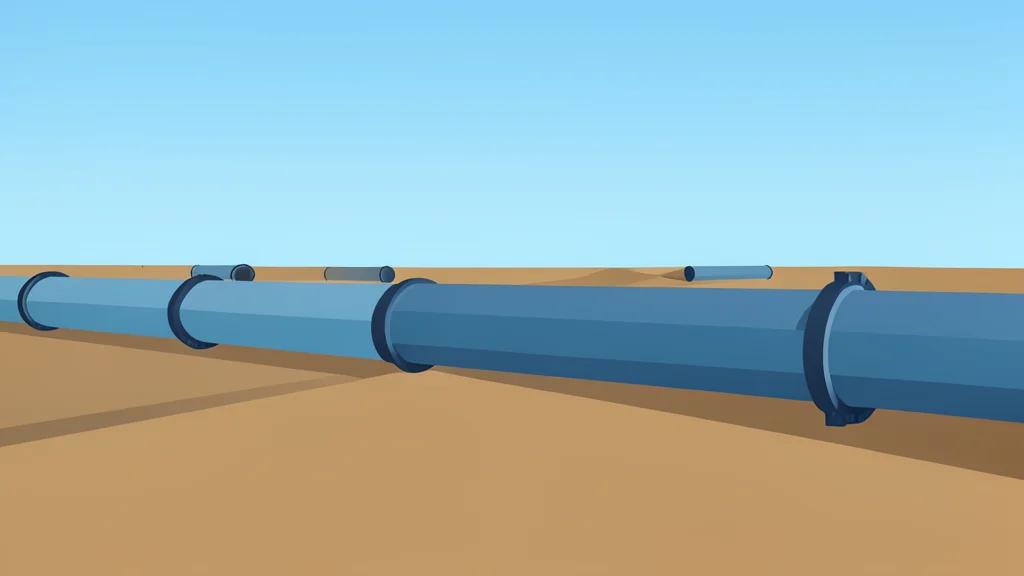
Kazakhstan is set to significantly increase natural gas purchases from Russia to cover a rapidly growing domestic deficit, despite looming US sanctions risks.
Kazakhstan has agreed to import approximately 11 billion cubic meters of natural gas from Gazprom in the current year, a substantial increase from the roughly 4 billion cubic meters purchased in 2025. This move marks a strategic shift for the Central Asian nation, which has historically been a net exporter of the fuel. The decision is driven by a sharp rise in domestic consumption that now exceeds the country’s production capacity, forcing Astana to seek external supply to maintain energy security.
While domestic gas production hit a record 68.1 billion cubic meters in 2025, demand growth has outpaced this output. The new supplementary agreement with the Russian energy giant is designed to bridge this gap, allowing Kazakhstan to meet internal industrial and residential needs without depleting its exportable reserves. Negotiations are also underway to secure up to 9 billion cubic meters for 2027, indicating a long-term reliance on Russian supply to stabilize the domestic market.
Discounted Pricing Amid Market Displacement
The financial terms of the deal remain undisclosed, but market dynamics suggest Kazakhstan is securing a bargain rate. Russia’s energy sector has lost access to lucrative European markets due to the war in Ukraine, compelling Gazprom to offer deep discounts to retain Asian and Central Asian buyers. This pricing structure benefits Kazakhstan by lowering the cost of covering its domestic deficit, preserving the higher revenue margins associated with its own gas exports.
This strategy mirrors the approach taken by neighboring Uzbekistan, which has been buying Russian gas at low prices while selling its own domestic production at higher market rates. Uzbekistan’s domestic extraction has declined from 21.9 billion cubic meters in the first half of the previous year to 18.3 billion cubic meters in the same period of 2026. Despite this decline, Uzbek gas exports generated roughly $629 million in 2025, while its Russian imports were valued at $1.66 billion, highlighting the arbitrage opportunity in the regional energy trade.
Sanctions Risk Complicates Import Strategy
The primary obstacle to this expanded trade is the pending US sanctions legislation. A bill passed by the US Congress on September 16, likely to be signed by President Donald Trump, empowers the administration to impose punitive tariffs on any nation purchasing Russian energy. This regulatory threat could disrupt the supply chains of both Kazakhstan and Uzbekistan, potentially exposing local entities to secondary sanctions.
As reported by GN auto stocks/energy-stocks: natural gas demand, the sanctions environment creates a volatile backdrop for these commercial agreements. The cost of compliance or the risk of exclusion from the US financial system may outweigh the immediate savings from discounted Russian gas. For Kazakhstan, balancing the need for affordable domestic supply against geopolitical risk remains a critical challenge for its energy sector.