UK Grid Spend Tops £150bn as Gas Remains Critical Backup
The UK is committing over £150 billion to grid upgrades, yet gas remains essential for stability as variable renewable sources expand.
Key points
- UK transmission investment will exceed £150 billion by 2030, with over 4,000 miles of new power lines planned.
- Gas remains a critical backup source, supplying about 25% of generation in 2026 despite the retirement of coal.
- Consumer support for renewables has reached £113 billion, with CfD payments adding £180 to typical bills since 2019.
The National Energy System Operator has confirmed that UK transmission investment will exceed £150 billion by 2030 and beyond. This massive capital outlay is designed to connect remote renewable energy sources to demand centers, replacing the old model of local thermal generation. The spending is framed as a necessary cost for decarbonization, but it also locks in a system that remains heavily dependent on weather patterns and gas backup.
Households are already bearing a significant portion of this cost through network charges, which make up about a quarter of typical domestic bills. According to Energy News Beat, while accelerated upgrades aim to reduce constraint payments, the immediate effect is rising network fees. Constraint payments, which compensate generators for switching off or on due to grid limitations, reached £1.9 billion in 2025-26 and could climb to £7.8 billion by 2030 if infrastructure projects face delays.
Generation Mix Relies on Gas Backup
With coal fully retired after the closure of Ratcliffe-on-Soar in September 2024, the UK’s power mix has shifted significantly. In 2026, wind supplied roughly 26 percent of generation, while gas accounted for about 25 percent. Nuclear provided 11 percent, solar 7 percent, and biomass 6 percent. Despite the growth in renewables, gas remains the primary firm source, frequently jumping above 40 percent of generation during evenings when wind output drops, causing carbon intensity to spike.
The Clean Power 2030 strategy targets 95-100 percent clean generation, aiming for 43-50 GW of offshore wind and 45-47 GW of solar. However, unabated gas capacity is expected to remain near 35 GW as a critical backup. Nuclear capacity is set to decline this decade as older reactors retire, before new plants like Hinkley Point C come online. This transition requires a grid redesigned around variable output, necessitating extensive storage and interconnector capacity.
Consumer Costs and Subsidy Burden
Consumer support for renewable energy has already totaled between £90 and £113 billion in 2024 prices from 2002 to 2024. Contracts for Difference (CfD) payments alone reached a record £2.64 billion in 2025, with offshore wind receiving over £2 billion of that sum. The CfD levy has added approximately £180 to a typical domestic electricity bill since April 2019. These figures highlight that while new renewable projects may have lower direct generation costs, the total system cost includes significant ongoing subsidies and infrastructure expenses.
The latest auction round awarded about 14.7 GW of new capacity, including 8.4 GW of offshore wind. Strike prices for these new solar and onshore wind projects are lower than new gas on a simple generation-cost basis. However, this comparison excludes the broader system costs such as constraint payments, inertia, and additional network upgrades. The true cost of the energy transition is distributed across these various financial mechanisms, all of which ultimately impact consumer bills.
Infrastructure Scale Outpaces History
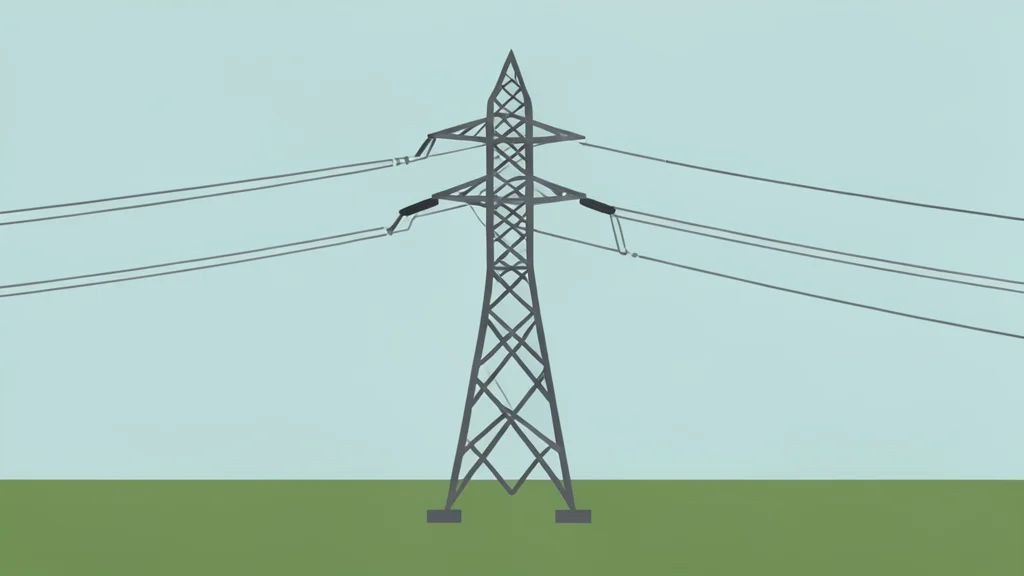
The scale of physical infrastructure required is unprecedented. Over 4,000 miles of new power lines are planned by 2041, along with subsea cables and converter stations. Operators are preparing to spend £22 billion to rewire the Highlands and north-east Scotland, involving more than 1,100 new pylons. This represents five times as much transmission infrastructure being built in the current decade as was constructed in the previous 30 years combined, reflecting the shift from centralized thermal plants to distributed renewable sources.