European Drone Threats Lift Focus on Indian Defence Firms
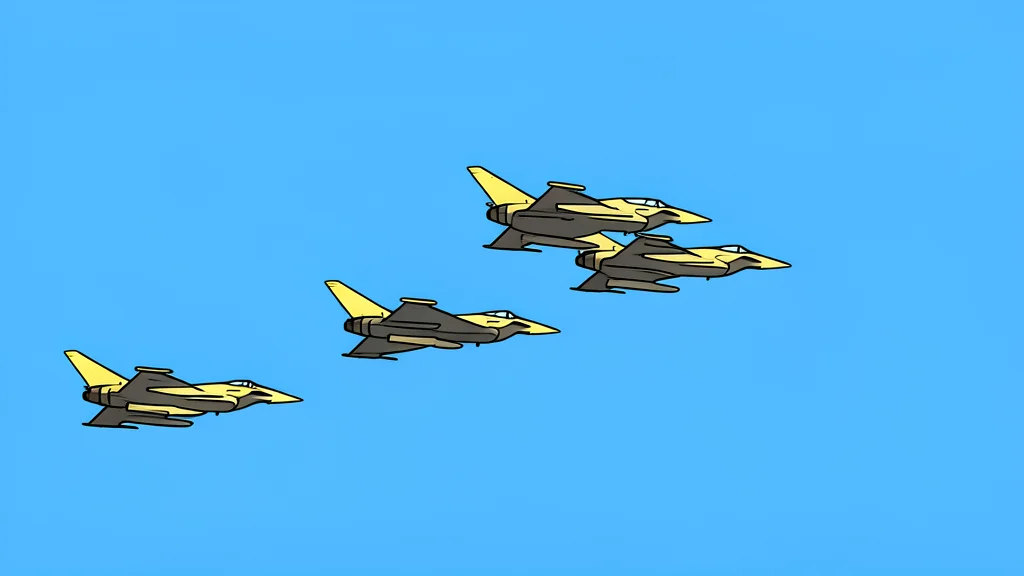
Fresh Russian hybrid attacks in Europe have intensified scrutiny on Indian defence stocks, highlighting demand for radar and electronic warfare systems.
Key points
- French President Macron announced a plan to protect infrastructure from Russian hybrid attacks, boosting demand for defence tech.
- Bharat Electronics secured ₹648 crore in new orders, including laser-based IR jammers, amid rising European security concerns.
- Bharat Dynamics holds a ₹22,600 crore order book, reflecting sustained demand for missile systems in the current geopolitical climate.
Indian defence equities are facing renewed attention as geopolitical tensions in Europe escalate. French President Emmanuel Macron disclosed that his government is drafting a plan to protect critical infrastructure from drone and cyber threats, citing recent Russian hybrid attacks. This move signals a broader European shift toward hardening air-defense and surveillance capabilities, a trend that analysts believe creates a thematic read-through for Indian manufacturers of similar systems.
The geopolitical backdrop includes specific incidents such as a Russian drone striking a passenger train near the Ukraine-Poland border in September and a previous attack on a Leipzig airport. In response, Poland is installing blast barriers and observation posts at border crossings. These events have underscored the vulnerability of conventional infrastructure to non-state and hybrid tactics, driving demand for counter-drone and electronic warfare solutions across the region.
Order books reflect growing demand
Bharat Electronics (BEL) has secured an additional ₹648 crore in orders, including for laser-based IR jammers, directly linking the company to the rising need for electronic countermeasures. Astra Microwave Products, with its exposure to radar and electronic warfare programs, is positioned to benefit from similar procurement trends. The financial impact of these geopolitical shifts is tangible in the companies' recent order inflows, which provide a buffer against short-term market volatility.
Bharat Dynamics (BDL) maintains a substantial order book of approximately ₹22,600 crore, indicating sustained demand for missile systems. Solar Industries also holds exposure to newer defence systems and munitions. The concentration of orders in these firms suggests that the current security environment is translating into concrete business opportunities rather than speculative interest.
Strategic implications for defence sector
The European focus on air-defense, surveillance, and counter-drone capabilities highlights a global shift in defence spending priorities. For Indian firms, this trend validates the strategic importance of technologies that protect critical infrastructure. The ability to produce and export such systems may become a key differentiator as European nations seek diversified supply chains away from traditional suppliers.
As European leaders, including Poland’s Prime Minister Donald Tusk, warn of potential missile strikes, the demand for robust defence infrastructure is likely to persist. This sustained pressure on adversaries is expected to drive long-term investments in radar, electronic warfare, and missile defence. Indian defence companies that can demonstrate technical parity in these areas are well-positioned to capture a share of this expanding market.
Market reaction to security threats
Stocks of BEL, Astra Microwave, BDL, and Solar Industries are expected to remain in focus as investors assess the impact of these developments. The correlation between European security concerns and Indian defence stock performance underscores the interconnected nature of global defence markets. Investors are closely monitoring how these geopolitical events translate into future revenue streams for these companies.
The recent events serve as a reminder that defence spending is increasingly driven by real-time security threats rather than long-term planning cycles. This shift could lead to more agile procurement processes and faster order placements for companies with proven track records. The Indian defence sector’s ability to respond to such dynamic demands will be a key factor in its future growth trajectory.