US, Japan, Korea Back $150B Small Nuclear Push
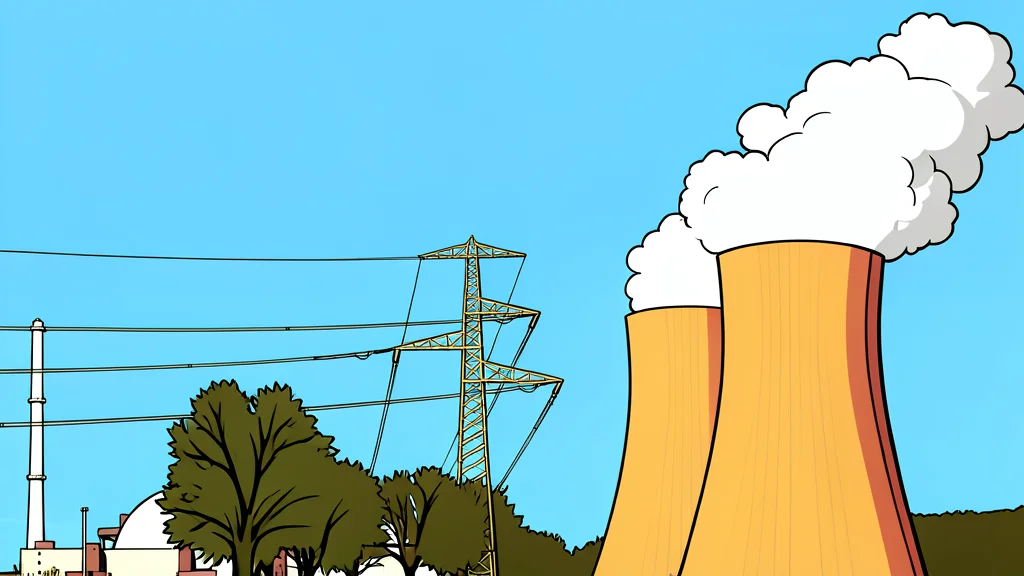
A tripartite plan targets $150 billion in reactor investments, focusing on the BWRX-300 design to standardize global nuclear deployment.
Key points
- US, Japan, and South Korea announced a plan on September 23 to deploy small modular reactors globally.
- A consortium including GE Vernova and Hitachi targets over $150 billion in reactor investments for the BWRX-300.
- The strategy relies on standardized manufacturing and fleet deployment to reduce costs and ensure affordability.
The US, Japan, and South Korea announced an implementation plan on September 23. This follows a July 7 memorandum to deploy small modular reactors globally.
The initiative includes a commercial framework for the BWRX-300 reactor. The US State Department stated the goal is to encourage over $150 billion in reactor investments in coming years.
Consortium Partners Define Scope
GE Vernova, Hitachi, Samsung C&T, and Poland’s SGE form the core group. They aim to advance the BWRX-300 reactor specifically across Europe.
According to Open Magazine, the announcement distinguishes government cooperation from commercial frameworks. It does not confirm that the $150 billion has been raised or that sites have secured construction licences.
BWRX-300 Technical Specifications
The International Atomic Energy Agency defines small modular reactors as units up to 300 megawatts. The BWRX-300 uses natural circulation to move cooling water through the core.
The design utilizes commercially available fuel, reducing development delays. Passive safety systems rely on natural processes to remove heat during specified emergencies.
Market Strategy Relies On Repetition
The business model depends on building a fleet of standardized units. Manufacturers need initial orders to establish production systems that lower costs for future projects.
Customers require evidence of affordable delivery before committing. This creates a circular dependency where demand drives the cost reductions necessary to attract demand.