Vattenfall Finalizes Germany's Largest Battery Storage Project
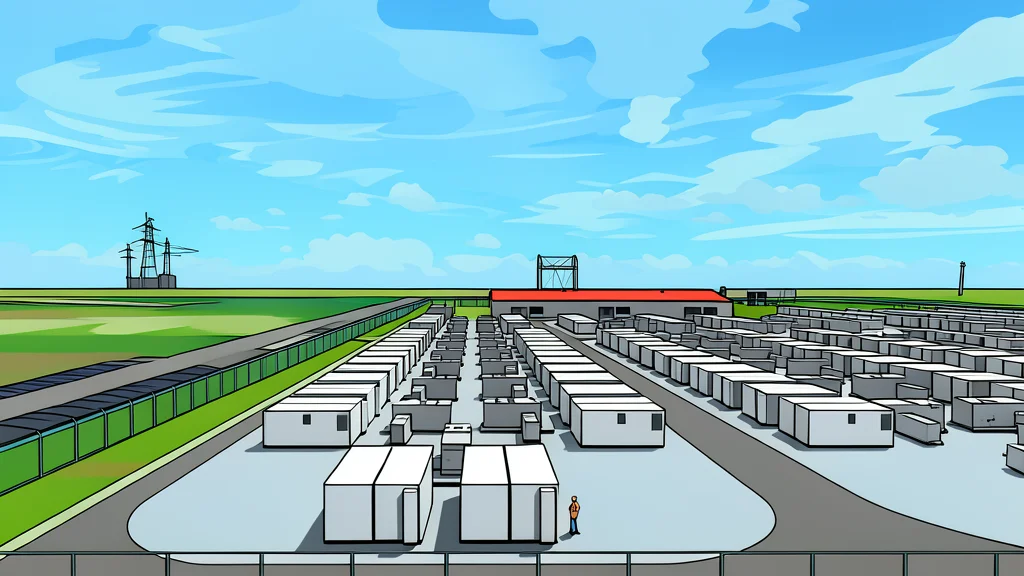
Vattenfall has approved the final investment decision for a standalone battery facility at the former Brunsbüttel nuclear site, aiming to operationalize the asset by 2028.
Vattenfall has finalized its investment decision for a major battery storage project in Germany, selecting the site of the decommissioned Brunsbüttel nuclear power plant. The facility is designed to connect directly to the 50 Hertz transmission grid, with full operations targeted for the end of 2028. This move positions the location as a significant energy hub, leveraging existing infrastructure to support grid stability.
The decision aligns with the company’s broader flexibility strategy, which aims to balance electricity supply and demand as renewable generation expands. By securing this standalone asset, Vattenfall seeks to reduce reliance on fossil fuel imports and enhance energy security. The project is part of a wider industry trend where large-scale storage becomes essential for integrating variable solar and wind power into the grid.
Capacity Expansion and Portfolio Impact
Once operational, the Brunsbüttel battery will nearly double Vattenfall’s total battery capacity. The company currently manages a portfolio consisting of 150 MW in active operation and an additional 120 MW under construction. Most of these existing assets are co-located with wind and solar projects, whereas the new facility operates as a standalone unit. This expansion significantly increases the firm's direct control over storage resources.
The addition of this large-scale storage capability is critical for maintaining grid stability. As renewable output fluctuates, the battery will help smooth out supply gaps, ensuring a reliable power flow. This infrastructure investment supports the technical requirements for a modern energy system, where storage acts as a buffer between generation and consumption.
Strategic Growth in Flexibility Services
Beyond owned assets, Vattenfall is expanding its third-party optimization business, which involves managing and marketing battery capacity for other owners. The company targets a managed portfolio of up to 1,500 MW by 2029. This service-oriented approach diversifies revenue streams and increases the total volume of storage capacity the firm can influence within the market.
According to reports from GN auto stocks/utilities: power plant, this dual strategy of asset ownership and service provision strengthens Vattenfall’s position in the flexibility market. The combined effect of owned and optimized batteries facilitates higher integration of renewable electricity. This operational model aims to create a more affordable and resilient energy system for end-users.
Market Context and Industry Demand
Germany’s transmission system operators project that large-scale battery storage capacity will exceed 80 GW by 2040. This forecast underscores the growing necessity of storage solutions as renewable generation scales up. Vattenfall’s investment at Brunsbüttel is a direct response to this anticipated demand, securing a key role in the national grid’s future architecture.
The project highlights the shifting role of former nuclear sites in the energy landscape. By repurposing the Brunsbüttel location, the company utilizes existing grid connections and land, reducing development friction. This approach accelerates the deployment of critical infrastructure needed to support the ongoing energy transition in Germany.