Vistra Moss Landing Site Reignites After January 2025 Incident
Spontaneous ignition of 1,500 residual modules at the Moss Landing facility has triggered new safety reviews for Vistra's California storage assets.
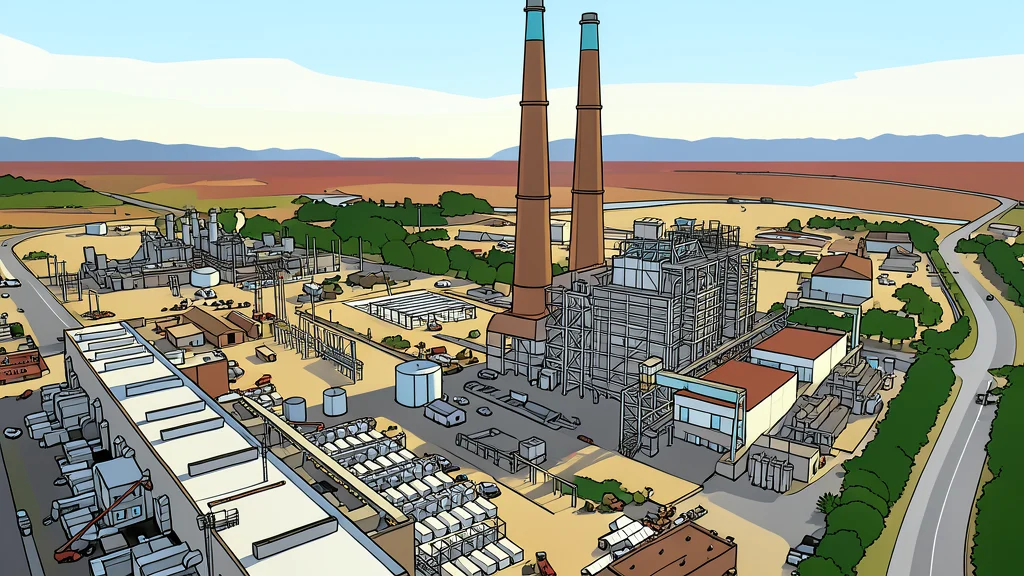
Vistra reported a secondary ignition event at its Moss Landing power plant in Monterey County on Friday morning. The flare-up originated from approximately 1,500 battery modules that remained charged and inaccessible following the major fire in January 2025. North County Fire Protection District officials confirmed the units entered a smoldering phase before stabilizing. The incident forced local authorities to issue a temporary shelter-in-place order for nearby residents.
This event marks the fourth safety incident at the site since 2019. The 300-megawatt facility is an enclosed structure housing older generation battery technology. Vistra, the Texas-based operator, is currently engaged in a root cause analysis with the California Public Utilities Commission. The ongoing investigation has drawn criticism from local officials who argue that regulatory delays hinder the assessment of broader risks associated with legacy storage infrastructure.
Legacy Infrastructure Drives Operational Risk
The physical design of the Moss Landing site contributes significantly to its vulnerability. Unlike modern installations, this facility crams older battery units into a confined space, allowing heat and fire to spread rapidly. Experts note that the current safety standards were not applied during the original construction. This gap between legacy engineering and modern regulatory expectations creates a persistent operational hazard for Vistra's asset portfolio in the region.
California Energy Commission data indicates the state now hosts the nation's largest battery energy storage fleet. This expansion increases the strategic importance of resolving safety defects in older plants. The recurring issues at Moss Landing highlight the financial and reputational exposure operators face when maintaining pre-regulatory infrastructure. Vistra must balance the need for grid reliability with the costs of retrofitting or decommissioning high-risk sites.
Regulatory Scrutiny Intensifies For Vistra
The California Public Utilities Commission is conducting a detailed review of the incident. A spokesperson confirmed that a root cause analysis is underway in coordination with Vistra and an independent consultant. State Assemblymember Dawn Addis has previously flagged the site's history of failures to regulators. The delay in completing this investigation has frustrated Monterey County Supervisor Glenn Church, who questions the timeline for identifying specific failure mechanisms in the hardware.
Political pressure is mounting to accelerate permitting reforms while simultaneously tightening safety protocols. Governor Gavin Newsom’s administration aims to streamline energy projects to meet clean energy goals. However, the Moss Landing incidents have amplified community concerns about hosting these facilities. Vistra faces a dual challenge of demonstrating compliance with new safety laws while managing public trust in the state's clean energy transition.
Statewide Implications For Storage Deployment
The recurrence of fire at Moss Landing has prompted a broader reassessment of battery storage safety standards in California. Legislators are reviewing the adequacy of current regulations for older installations. The incident underscores the tension between rapid grid expansion and long-term safety assurance. Vistra’s experience at this site serves as a case study for the industry, illustrating the consequences of deploying technology that predates modern safety frameworks.
As the state relies more heavily on battery storage to balance renewable energy loads, the financial stakes for operators increase. The cost of incidents, including cleanup, liability, and potential regulatory penalties, can significantly impact project economics. Vistra’s ongoing engagement with regulators will likely influence future design requirements for new storage projects across the region. The market is watching for how these safety measures are integrated into the business model.