Bessent to Discuss AI and Rare Earth Supply Chains with China
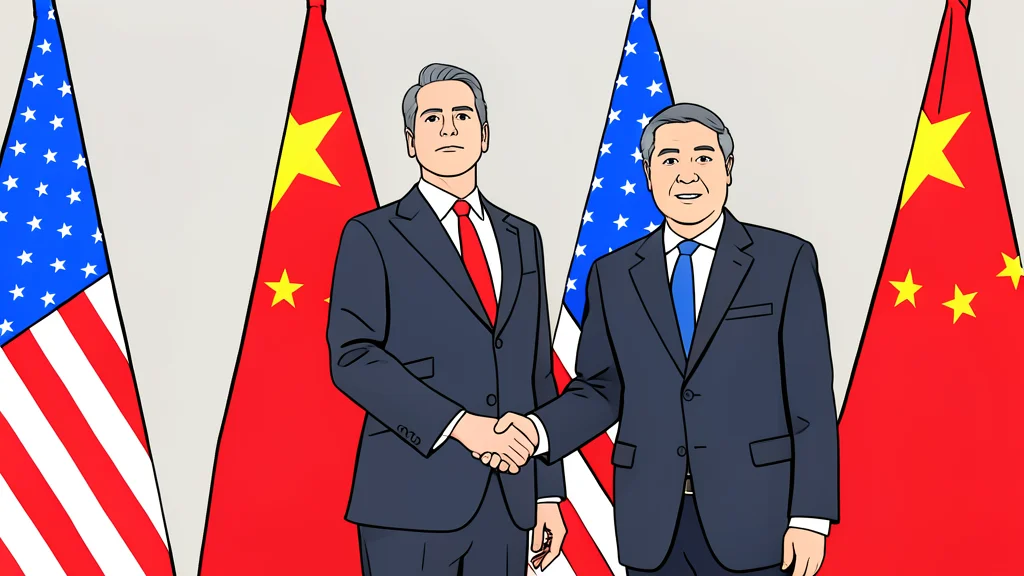
U.S. Treasury Secretary Scott Bessent prepares for weekend talks with Chinese Vice Premier He Lifeng, focusing on critical mineral supply and the competitive landscape of open-weight artificial intelligence models ahead of a presidential summit.
U.S. Treasury Secretary Scott Bessent is scheduled to meet with Chinese Vice Premier He Lifeng in New York City this weekend to address trade frictions, artificial intelligence standards, and the global supply of rare earth elements. According to sources familiar with the itinerary, the discussions are designed to manage tensions in sectors where the two economies are increasingly interdependent but strategically competitive. These talks will precede a planned summit between President Donald Trump and President Xi Jinping in Washington on September 24.
The agenda explicitly includes the role of rare earths in technology manufacturing, a critical dependency for U.S. defense and consumer electronics sectors. Bessent has indicated that the conversation will extend to the structure of AI development, specifically contrasting open-weight models, which allow for public modification, against closed-weight proprietary systems. This distinction is central to the current market dynamic, as Chinese open-weight tools are gaining traction among U.S. enterprises due to their lower cost relative to closed competitors.
Open-Weight Models Drive Cost Efficiency
Bessent stated that the dialogue will cover both open and closed-weight AI architectures. Open-weight models are characterized by publicly accessible core elements, enabling users to download and fine-tune them for specific operational tasks. This flexibility has led to increased adoption by U.S. companies seeking to reduce infrastructure and licensing costs compared to closed-weight tools developed by firms such as Anthropic and OpenAI.
The preference for these models is not limited to the private sector. Reports indicate that U.S. government entities have utilized AI models from Chinese developers for regulatory search functions. This adoption occurred despite recent accusations by the FBI that a Chinese firm, Alibaba, engaged in the malicious copying of technology from U.S. rivals. The integration of these tools into federal workflows highlights the practical economic incentives driving the use of foreign-developed open-source alternatives.
Rare Earths Remain Critical to Supply
Rare earth elements are essential components in the production of advanced technology hardware. The U.S. and China are the primary forces shaping the development and adoption of these technologies, making supply chain stability a key economic issue. The upcoming discussions aim to address the dependencies that exist in these markets, where control over mineral processing and AI model distribution creates significant leverage.
As reported by GN auto stocks/materials: rare earths, the strategic importance of these minerals ties directly to the broader trade narrative. The ability to access and process these materials influences the manufacturing capabilities of both nations, affecting everything from defense systems to consumer electronics. The weekend meeting serves as a critical checkpoint for policymakers to navigate these complex supply chain dynamics before the higher-level presidential engagement.