Berkshire Hathaway Faces 20% Drop Risk Amid Leadership Transition
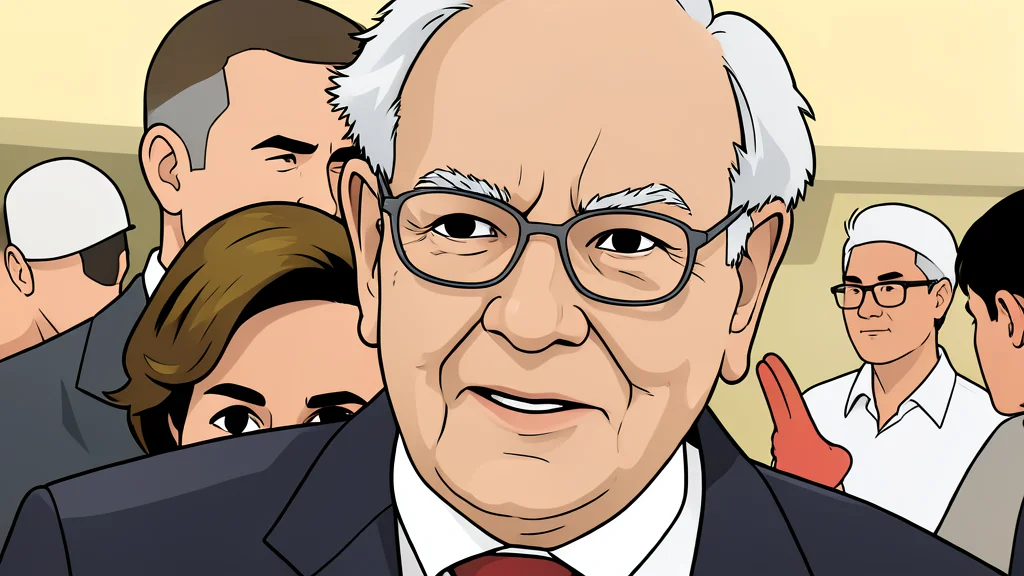
Berkshire Hathaway shares face potential 20% decline as Warren Buffett exits chairmanship and tech exposure rises.
Key points
- Berkshire Hathaway stock may fall 20% to around $400 per Class B share within 12 months.
- Nearly one-third of Berkshire's portfolio is tied to Apple and Alphabet, increasing tech sector risk.
- Warren Buffett has stepped down as chairman, with Howard Buffett taking over the role.
Berkshire Hathaway shares are exposed to a potential 20% valuation decline over the next 12 months, according to The Motley Fool. This projection stems from Warren Buffett’s recent departure from the chairman role, a move that signals a significant reduction in his operational influence. With Howard Buffett assuming the chairmanship, investors may reassess the company’s leadership stability, potentially driving a sell-off in the stock.
The company’s market capitalization currently hovers just above $1 trillion, but analysts suggest this figure may face downward pressure. The transition away from Buffett’s direct involvement creates uncertainty that could lead investors to demand a higher risk premium. Consequently, the stock may trade at a discount until the market establishes confidence in the new leadership structure under CEO Greg Abel.
Tech concentration amplifies portfolio risk
Berkshire Hathaway’s investment portfolio carries significant exposure to the technology sector, with nearly one-third of its holdings concentrated in Apple and Alphabet. This heavy weighting makes the company vulnerable to broader tech sector sell-offs. Recent debates regarding the pace of artificial intelligence development have heightened volatility in these stocks, creating a direct risk to Berkshire’s asset value.
If risk-averse investors reduce their exposure to high-flying tech names, Berkshire Hathaway will likely suffer collateral damage. The concentration in Apple and Alphabet means that any negative sentiment toward these firms will disproportionately impact Berkshire’s overall portfolio performance. This structural weakness could deter new capital from entering the stock, further pressuring the share price.
Leadership transition drives investor uncertainty
Warren Buffett’s step-down as chairman marks a pivotal shift in Berkshire Hathaway’s corporate governance. Although Greg Abel has served as CEO since the start of the year, Buffett’s continued involvement previously provided a layer of confidence for shareholders. With Howard Buffett now taking the chair, the market may question the continuity of the investment philosophy that has driven the company’s success.
Investors often assign a premium to companies with stable, recognizable leadership. The uncertainty surrounding how closely the new leadership will adhere to Buffett’s principles could lead to a re-rating of the stock. Until the market validates the new management team’s capabilities, Berkshire Hathaway may face a period of heightened volatility and potential capital outflows.